The GLP aggregated and excerpted this blog/article to reflect the diversity of news, opinion and analysis.
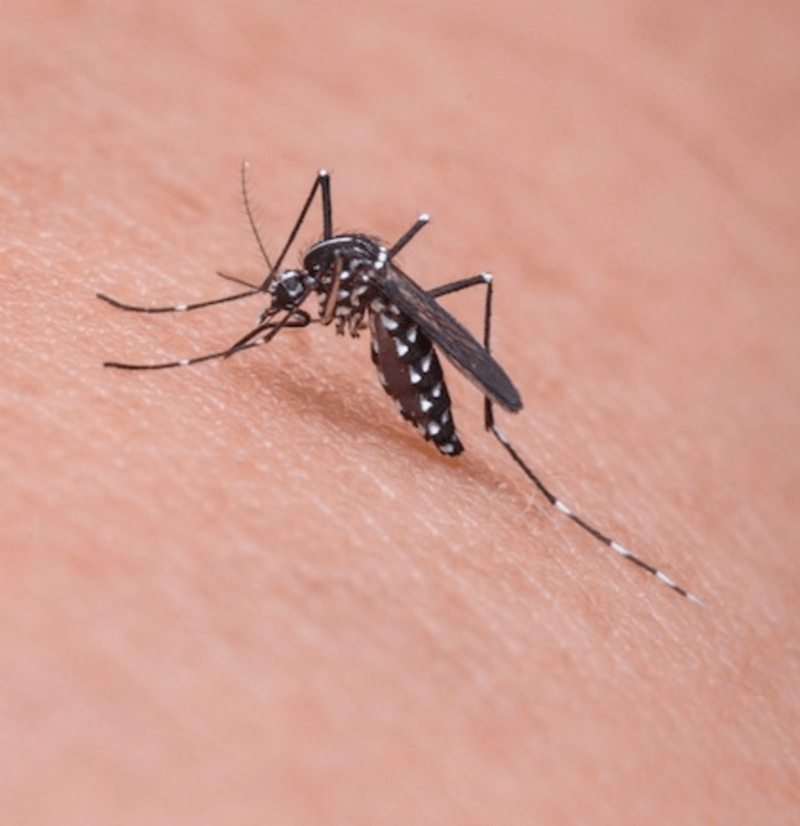
Between malaria, dengue and yellow fever, the World Health Organization chalks up millions of annual deaths to mosquitoes. One specific type of mosquito out of around 3,500 species, the Aedes aegypti spreads these diseases and has made headlines in the wake of increased microcephaly cases almost certainly caused by mosquito-borne Zika virus in Brazil, Argentina and other nations in Central and South America.
With the Centers for Disease Control estimating Ae. aegypti’s range extending as far north as central California on the west coast and Rhode Island on the east (the numbers and risk in these areas are unknown) and experts predicting that the risk and range of these mosquitoes will increase with time, the threat from these mosquitoes is real.
“Although it’s true that Aedes aegypti is found mainly in the southern US, predictions of the future of global climate change increase the range of Aedes aegypti substantially,” says entomologist Erfan Vafaie, Extension Program Specialist with Texas A&M AgriLife Extension.

Oxitec, a biotechnology company that prides itself on “innovative insect control” offers a solution in the form of high-tech mosquitoes. The tiny winged-wonder has polarized public opinion during the FDA’s open commenting period on the company’s finding of no significant impact in support of an investigational release of genetically engineered (GE) mosquitoes in the Florida Keys. The FDA tentatively agrees that the mosquito trial in Florida will result in no significant impacts on the environment.
Read full, original post: You Can Help Stop These Deadly Mosquitoes