Non-browning crops not new, modern science just better at making them

Screen Shot at PM
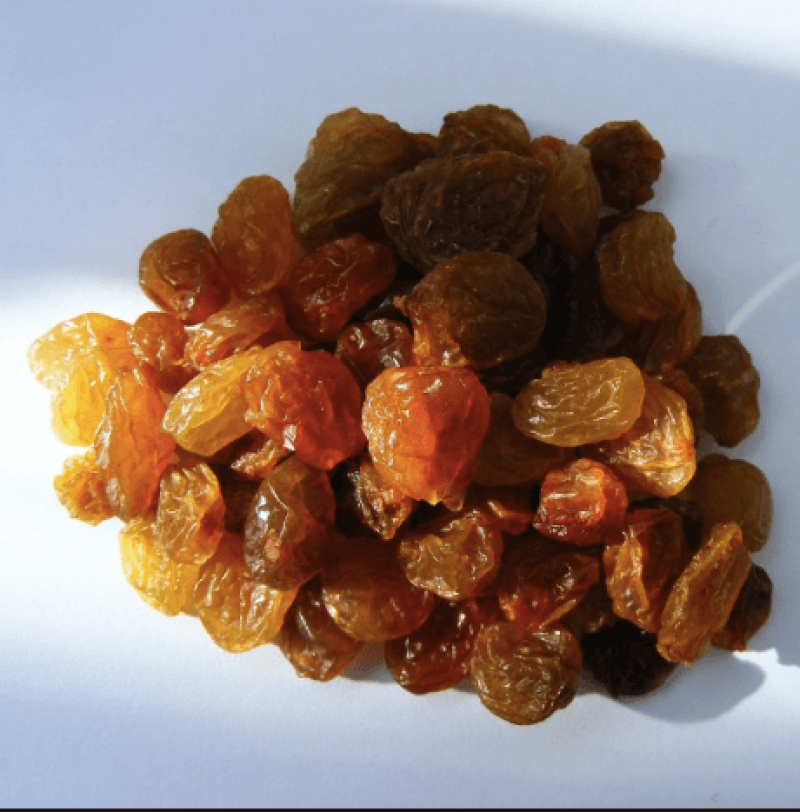
Golden Raisins

The GLP aggregated and excerpted this blog/article to reflect the diversity of news, opinion and analysis.

Those quick to criticize genetic engineering in food were not pleased with the Simplot non-browning potato or the non-browning Arctic Apple.  In these cases the enzyme polyphenol oxidase (PPO) is disabled using a genetic engineering approach. Without this enzyme, plant materials do not turn off colors upon exposure to air, keeping postharvest quality high.

. . . . Criticisms abounded on the web, claiming that the new products were dangerous, that PPO was important, and that nobody knows what is going to happen if we eat non-browning produce.

. . . [D]efects in PPO have been of interest for a long time.  One great example is the golden raisin.  No PPO activity, and plant breeders and consumers celebrated new little dried weird fruits that were clear and golden. . .  That was in 1962.

Snowy white noodles come from hard white wheat, varieties that do not produce browning or greying upon processing.

. . . .The genes for PPO are not functioning, nobody really knows why, but it just is that way.

. . . . Wheat breeder Bob Graybosch developed the new line from crosses of forgotten varieties present in the National Small Grains Collection in Idaho. . . . These old lines with low amounts of PPO were bred together, and the resulting lines had almost no PPO activity.

. . . .

So let’s get this straight.  If you decrease PPO activity using native gene sequences in potato and apple, and then safety test them– that is unacceptable and must be labeled.

But if you decrease PPO activity through random mating, with no idea how the genes are turned off or what mutations cause it in raisins or wheat– that’s okay.

Precision and predictability be damned.  The Frankenfood Paradox again.

Read full, original post: Arctic Wheat? More Non-Browning Crops!

{{ reviewsTotal }}{{ options.labels.singularReviewCountLabel }}
{{ reviewsTotal }}{{ options.labels.pluralReviewCountLabel }}
{{ options.labels.newReviewButton }}
{{ userData.canReview.message }}

Related Articles

Infographic: Global regulatory and health research agencies on whether glyphosate causes cancer

Infographic: Global regulatory and health research agencies on whether glyphosate causes cancer

Does glyphosate—the world's most heavily-used herbicide—pose serious harm to humans? Is it carcinogenic? Those issues are of both legal and ...

Most Popular

ChatGPT Image Jun 3, 2026, 03_14_43 PM
Viewpoint: How Earthjustice became the poster child for the abuse of special interest activist funding
ChatGPT Image Jun 3, 2026, 03_54_37 PM
Viewpoint: “Turn on, tune in, drop out”—Kennedy embraces the Timothy Leary psychedelic revolution
Screenshot-2026-06-05-at-2.12.30-PM
Some plants can poison you. So how did humans figure out what is safe to eat?
ChatGPT-Image-Jun-11-2026-01_15_03-PM
Selective Pressure, Selective Silence
ChatGPT-Image-Mar-10-2026-01_39_01-PM
Viewpoint—“Miracle molecule” debunked: Why acemannan supplements don’t work
Screenshot 2026-05-26 at 10.15
Viewpoint: Double standard—Why does the wellness industry get a free pass while Big Healthcare is treated as morally suspect?
ChatGPT Image May 28, 2026, 08_16_38 PM
Viewpoint: Why the EPA mismeasures cancer risk of chemicals and what should be done to fix it
ChatGPT Image Jun 1, 2026, 11_39_17 AM
Viewpoint: When food myths go viral, farmers pay the price
ChatGPT Image May 26, 2026, 08_42_17 AM (1)
Viewpoint: Greenpeace and poison: How environmental advocacy groups rely on compliant (and often ignorant) journalists to spread disinformation and spark litigation
Screenshot-2026-06-03-at-1.24.46-PM
Challenging anti-GMO disinformation: Why genetically-tweaked crops offer bushels of benefits

Sorry. No data so far.

glp menu logo outlined

Get news on human & agricultural genetics and biotechnology delivered to your inbox.