EPA posts, takes offline ‘final’ report concluding glyphosate ‘not likely carcinogenic’

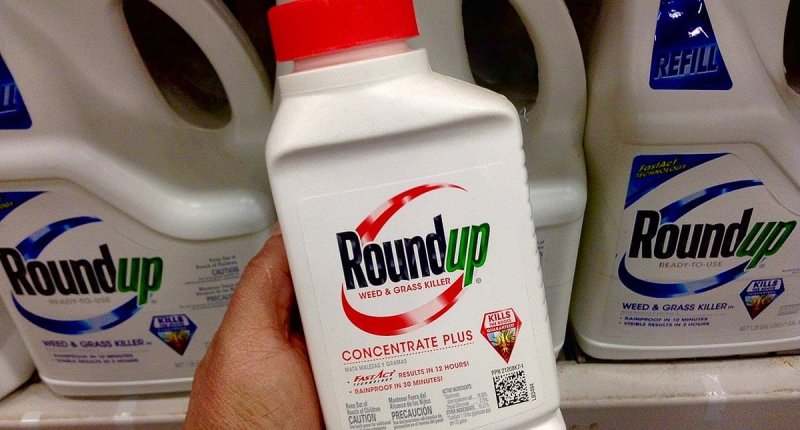
monsanto roundup

The GLP aggregated and excerpted this blog/article to reflect the diversity of news, opinion and analysis.

Glyphosate does not cause cancer … if you read about it over the weekend.

That was the conclusion of a report published online by the Environmental Protection Agency on Friday, April 30, 2016, finally shutting down a 30-year debate by giving a definitive answer to a hotly contested topic. But, by Monday, May 2, it was gone.

The report, “Evaluation of the Carcinogenic Potential of Glyphosate,” was published by the Cancer Assessment Review Committee (CARC), the branch of the EPA that determines if a chemical causes cancer in humans.

[The 87-page report was preserved online before the EPA took it down and is available here]

[Read the GLP’s GMO FAQ report “Is Glyphosate Dangerous? here]

. . . .

This comprehensive report analyzed multiple different studies, with the conclusion on page 77 entitled “CLASSIFICATION OF CARCINOGENIC POTENTIAL.”

Here it states:

  • Glyphosate is classified as “Not Likely to be Carcinogenic to Humans.”
  • The epidemiological evidence at this time does not support a causal relationship between glyphosate exposure and solid tumors.
  • There is also no evidence to support a causal relationship between glyphosate exposure and the following non-solid tumors: leukemia, multiple myeloma, or Hodgkin’s disease.

. . . .

Why would such a comprehensive report with a clear conclusion be removed from the website? The EPA told Reuters, in an email, that its assessment was not final (a particularly odd word choice for a report presenting their “final” guidelines) and that the documents were “preliminary.” The agency also stated that the “final” (final) report will be published later this year.

Read full, original post: EPA Magically Makes Glyphosate Safety Report Disappear

 

{{ reviewsTotal }}{{ options.labels.singularReviewCountLabel }}
{{ reviewsTotal }}{{ options.labels.pluralReviewCountLabel }}
{{ options.labels.newReviewButton }}
{{ userData.canReview.message }}

Related Articles

Infographic: Global regulatory and health research agencies on whether glyphosate causes cancer

Infographic: Global regulatory and health research agencies on whether glyphosate causes cancer

Does glyphosate—the world's most heavily-used herbicide—pose serious harm to humans? Is it carcinogenic? Those issues are of both legal and ...

Most Popular

ChatGPT-Image-Feb-16-2026-01_57_31-PM
Viewpoint: ‘Science-as-Satan’ unites the MAHA—MAGA movements. Is a breakup in the works?
ChatGPT-Image-Apr-22-2026-11_06_18-AM
Wellness influencer nonsense: No, nicotine does not boost cognition and productivity, but it can damage your health 
bayer-supremecourt-lt
EPA concludes glyphosate is not carcinogenic. Missouri courts say Monsanto failed to warn it might be. SCOTUS weighs in.
Screenshot-2026-04-13-at-3.54.04-PM
AI disinformation stress test: Challenges and response strategies
ChatGPT-Image-Feb-16-2026-01_04_32-PM
Raw milk myth wake-up call
ChatGPT-Image-Mar-11-2026-11_58_46-AM
The Trump administration has run out more than 4,000 National Institutes of Health employees. Here are the consequences
Screenshot-2026-04-21-at-1.11.22-PM
Boy Kibble: Muscle-building protein maxxing is the latest male health delusion
Screenshot-2026-04-15-at-1.22.58-PM
Anti-biotechnology activists smear hybrid wheat breakthrough that could surge yields in poorer countries
ChatGPT-Image-Mar-2-2026-03_22_54-PM
Why ‘support supplements’ for GLP-1 users are mostly a waste of money
ChatGPT-Image-Apr-23-2026-09_20_20-PM
Kennedy’s CDC blocks publication of study that shows vaccines reduce hospitalizations by 50%, then misrepresents why
Screenshot-2026-04-21-at-1.01.07-PM
Back to the vax — Is the measles surge testing MAHA’s vaccine rejectionism?  
glp menu logo outlined

Get news on human & agricultural genetics and biotechnology delivered to your inbox.