Canadian soybean industry asks EU to explain delay in approving GMO soy products

Screen Shot at AM
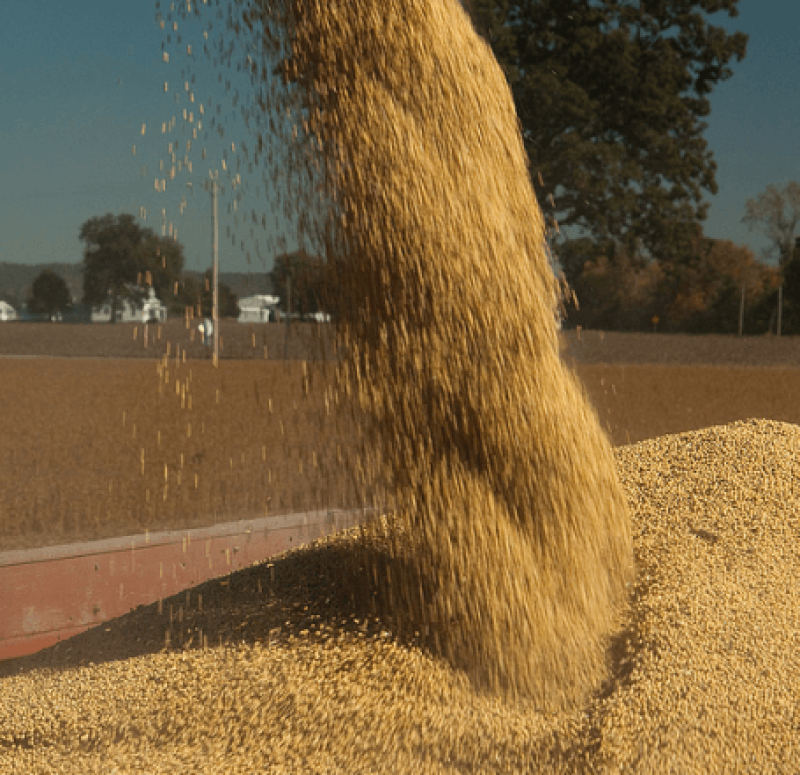
Photo by United Soybean Board/Flickr

The GLP aggregated and excerpted this blog/article to reflect the diversity of news, opinion and analysis.

The national association representing the soybean industry in Canada wants to know why the European Union is delaying approval of genetically modified soy products.

Soy Canada sent a letter to the European Commission requesting a formal explanation for the EU delay in approving three GM soy products.

In a press release, the association called on the EU to honour commitments in the Comprehensive Economic Trade Agreement (CETA) negotiations.

Jim Everson, Soy Canada’s Executive Director, said in a statement, “We are calling on the EU Commission to formally explain why approval of these three products is continuing to be delayed and why its commitments made in CETA negotiations are not being honoured”.

Three and half months have passed since the three products were considered by the EU Appeal Committee.

Soy Canada says the three products were reviewed by the European Food Safety Authority and given a “Positive opinion” clearing them of any food, feed, or environmental concerns.

Canadian soybean producers will begin seeding this week and Everson said, “The EU is also failing to respect a commitment it made to Canada during the Canada – European Union Free Trade negotiations. We are calling on the EU Commission to formally explain why approval of these three products is continuing to be delayed and why its commitments made in CETA negotiations are not being honoured,”

. . . .

Canada and the EU  will also begin formal discussions on biotechnology and trade issues at an upcoming meeting of the Canada-EU Biotechnology Dialogue, due to take place within weeks.

Read full, original post: Canadian GMO soy producers, EU, and the CETA trade deal

{{ reviewsTotal }}{{ options.labels.singularReviewCountLabel }}
{{ reviewsTotal }}{{ options.labels.pluralReviewCountLabel }}
{{ options.labels.newReviewButton }}
{{ userData.canReview.message }}

Related Articles

Infographic: Global regulatory and health research agencies on whether glyphosate causes cancer

Infographic: Global regulatory and health research agencies on whether glyphosate causes cancer

Does glyphosate—the world's most heavily-used herbicide—pose serious harm to humans? Is it carcinogenic? Those issues are of both legal and ...

Most Popular

Screenshot-2026-04-22-at-12.21.32-PM
Viewpoint: Why the retracted Monsanto glyphosate study doesn’t change the science—the world’s most popular herbicide is safe 
Picture1
The FDA couldn’t find a vaccine safety crisis, so it buried its own research
ChatGPT-Image-May-1-2026-11_42_59-AM-2
Viewpoint: NAD is the wellness grifters latest evidence-lite longevity fad. At least the mice are impressed.
ChatGPT-Image-Apr-16-2026-02_56_53-PM
Financial incentives, over diagnosis, and weak oversight: Autism claims are driving up Medicare costs
global warming
‘Implausible’: Top climate scientists reject worst-case scenario—soaring temperatures and fast-rising sea levels
ChatGPT-Image-May-12-2026-11_27_01-AM-2
AI likely to improve health care, research shows—but not for blacks and ethnic minorities
ChatGPT-Image-May-7-2026-01_23_27-PM-2
Viewpoint: Will AI democratize personalized cancer treatment or fuel medical misinformation?
vax-misinformation-main
Facts & Fallacies Podcast: Limit free speech to blunt social media misinfo?

Sorry. No data so far.

glp menu logo outlined

Get news on human & agricultural genetics and biotechnology delivered to your inbox.