U.S. lawmakers question EPA’s handling of glyphosate review

Screen Shot at AM

The GLP aggregated and excerpted this blog/article to reflect the diversity of news, opinion and analysis.

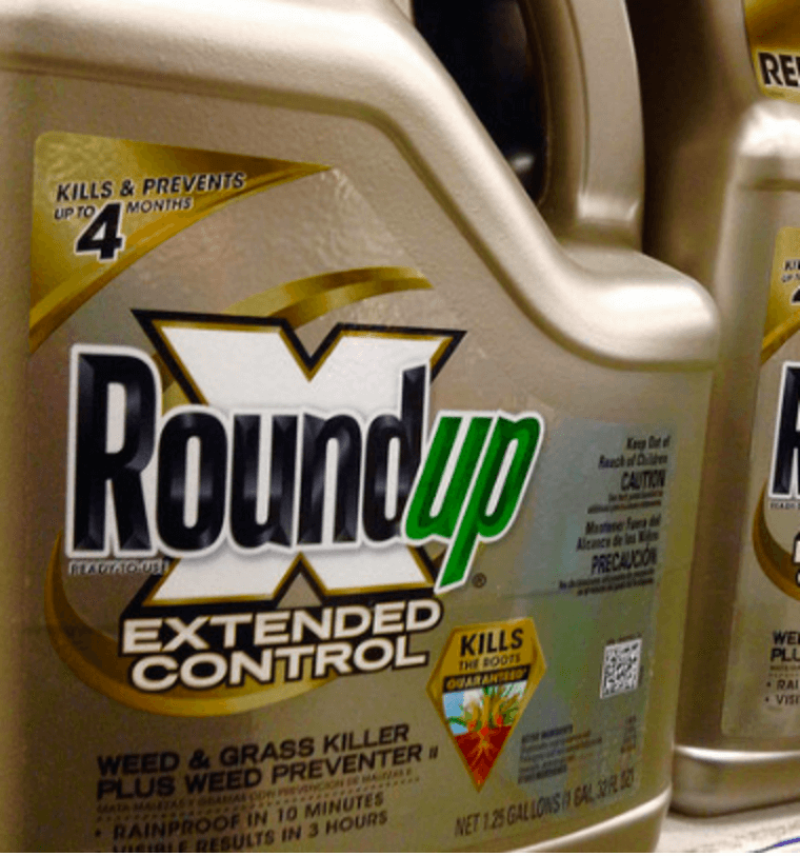
U.S. lawmakers have asked the Environmental Protection Agency (EPA) to explain why it published – and then withdrew – documents related to its review of glyphosate, the chemical in Monsanto Co’s Roundup herbicide, according to a letter seen by Reuters.

The documents, which included a report that said glyphosate is not likely to be carcinogenic to humans, were posted by the EPA on April 29 and taken down from a website the government agency manages on May 2.

The letter, sent from the agriculture committee of the U.S. House of Representatives, marks the latest salvo in an ongoing debate over the EPA’s role and influence in U.S. agriculture.

According to the letter, which cites a May 2 story by Reuters, the committee is looking into the EPA’s recent actions related to the agency’s multi-year review of potential risks tied to glyphosate and atrazine, another popular chemical used in agricultural herbicides.

The documents are part of the EPA’s registration review of glyphosate and its potential human health and environmental risks, which started in 2009.

“We are troubled that EPA mistakenly posted and later removed documents related to assessments of two different chemicals within one week,” according to the letter, signed by the Republican and Democrat leaders of the committee.

“These mistakes indicate systemic problems with EPA’s management of its chemical review and publication processes.”

The letter was sent to the EPA on Wednesday. . . .

. . . .

“We are concerned that EPA has continually delayed its review of glyphosate,” the letter said.

Read full, original post: U.S. lawmakers put pressure on EPA over handling of glyphosate review

{{ reviewsTotal }}{{ options.labels.singularReviewCountLabel }}
{{ reviewsTotal }}{{ options.labels.pluralReviewCountLabel }}
{{ options.labels.newReviewButton }}
{{ userData.canReview.message }}

Related Articles

Infographic: Global regulatory and health research agencies on whether glyphosate causes cancer

Infographic: Global regulatory and health research agencies on whether glyphosate causes cancer

Does glyphosate—the world's most heavily-used herbicide—pose serious harm to humans? Is it carcinogenic? Those issues are of both legal and ...

Most Popular

ChatGPT-Image-May-7-2026-12_16_37-PM-2
Viewpoint: Are cancer rates ‘skyrocketing’ as RFK, Jr. and MAHA claims? The evidence says mostly the opposite
Screenshot-2026-04-13-at-1.39.26-PM
Viewpoint: ‘Safer for children?’ Stonyfield yogurt under fire for deceptive organic marketing
Screenshot-2026-04-22-at-10.46.29-AM
Viewpoint: How to counter science disinformation? Science journalist offers 12 practical tips
png-pill-omega-Supp-fish-oil
Millions take omega-3 fish oil for brain health. New research suggests it may do the opposite.
Screenshot-2026-04-23-at-11.00.36-AM
Regulators' dilemma: Thalidomide, Metformin, and the cost of getting drug approvals wrong
ChatGPT Image May 14, 2026, 09_51_35 PM
Facebook swamped by hundreds of thousands of scam ads for illegal or dangerous medical products
ChatGPT Image May 12, 2026, 01_21_30 PM
How big health brands are funding online medical misinformation 
ChatGPT-Image-May-12-2026-08_39_41-PM
GLP podcast: Big Pharma, Big Ag, Big Food—health harming industries or life-saving innovators?
ChatGPT-Image-May-13-2026-12_43_37-PM-2
Longevity: Is cellular rejuvenation even possible?
Picture1-1
Cooling the planet with balloons: Could a geoengineering gamble slow global warming?

Sorry. No data so far.

glp menu logo outlined

Get news on human & agricultural genetics and biotechnology delivered to your inbox.