Can agroecology become mainstream?

So, what gives industrialized agriculture such staying power despite its adverse impacts, even as alternatives offer such benefits? And how can more wholesome food production methods such as agroecology become conventional instead of alternative? . . . .

. . . . [T]here is something less visible that makes the industrial food system powerful: something called legitimacy. Legitimacy is what makes one food system more credible and “normal” than another. . . .

. . . .

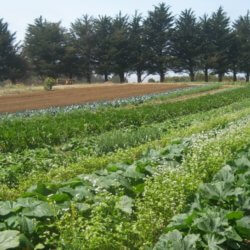
Agroecology can attain . . . legitimacy through three interconnected pathways: 1) build on and revise existing research practices, developing scientific legitimacy; 2) garner legitimacy in policy, practical and civic arenas; and 3) focus attention on the ethics and values of food systems themselves, which will feed back and affect all other forms of legitimacy.

. . . .

At the moment, most Americans still accept industrial food practices as credible and authoritative, . . . But movements are underway to change that. With a focus on what’s right about agroecology, not just what’s wrong with industrial agriculture, we can turn the alternative into the everyday and the undervalued into the legitimate — and give agroecology the credibility and authority it well deserves.

The GLP aggregated and excerpted this blog/article to reflect the diversity of news, opinion and analysis. Read full, original post: What Would it Take to Mainstream “Alternative” Agriculture?

Related Articles

Infographic: Global regulatory and health research agencies on whether glyphosate causes cancer

Infographic: Global regulatory and health research agencies on whether glyphosate causes cancer

Does glyphosate—the world's most heavily-used herbicide—pose serious harm to humans? Is it carcinogenic? Those issues are of both legal and ...

Most Popular

ChatGPT-Image-Mar-10-2026-01_39_01-PM
Viewpoint—“Miracle molecule” debunked: Why acemannan supplements don’t work
Screenshot-2026-10-02-at-9.11.36-AM
The genetics of personality
strand of dna genetics
No, GMO foods do not “damage genes, natural disposition and hormones, or decrease physical health and intelligence”
Radioactive-Americana-Collage-2
The kooky logic behind the raft of spurious cancer claims from Harvard’s T.H. Chan School of Public Health
Screenshot-2026-09-28-at-11.26.17-AM
Viewpoint: Wellness movement activists reposition nicotine from a killer addictive drug into a cure-all for brain ills
Screenshot-2026-10-02-at-11.12.24-AM
‘Why do we keep falling for this stuff?’ America’s love affair with snake oil salesmen and scams
Screenshot-2026-10-02-at-8.56.38-AM
Trump finalizes Medicare drug price cuts, drawing Big Pharma’s fury and a legal challenge
AI-Force-Leadership-Portrait
Jay Clayton controversy: The divisive history of Trump’s newly-appointed AI czar
Screenshot-2026-09-22-at-10.54.12-AM
‘They misunderstand science’: Research attempting to tie autism to changes in the gut microbiome comes under fire
Supreme-Court-Amid-Climate-Crisis
Should fossil fuel companies be shielded from lawsuits over climate change damage? The Supreme Court takes up the question
ChatGPT-Image-Sep-21-2026-11_21_39-AM
Viewpoint: Food cults: Online ‘nutrition communities’ can pose unique dangers
Screenshot 2025-09-17 at 12.41
Jump-starting global warming: Rising temperatures are driving up emissions from wildfires, fermenting wetlands, and melting permafrost
glp menu logo outlined

Get news on human & agricultural genetics and biotechnology delivered to your inbox.