Debunking vs. Restoring Trust: New and better strategies to fight deliberate disinformation

Credit: McGill University

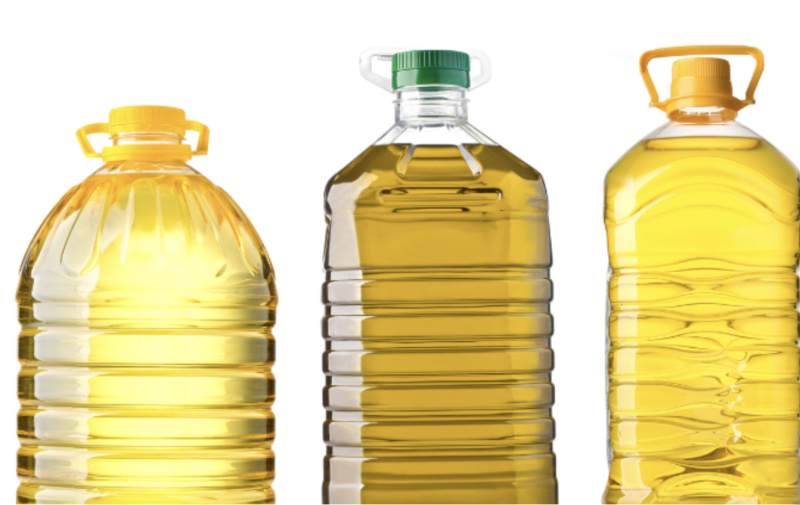
US and global health authorities have recommended seed oils for decades for their heart-healthy essential fats. But in 2024, the MAHA (Make America Healthy Again) movement was targeting what it called the “hateful eight” seed oils … with claims that these products were highly inflammatory, oxidize easily, and contribute to chronic illnesses like heart disease and cancer.

Scientific evidence suggests the opposite: that seed oils improve blood cholesterol levels and reduce the risk of cardiovascular disease. But with US Secretary of Health and Human Services Robert F. Kennedy Jr. describing seed oils as “toxic” and MAHA influencers amplifying those claims, seed oils saw a seven-fold surge in news mentions, Google searches for “are seed oils bad for you” shot up 900% ….

The United Soybean Board, which represents the soybean industry … sought to combat the misinformation and amplify the actual science on seed oils.

Follow the latest news and policy debates on sustainable agriculture, biomedicine, and other ‘disruptive’ innovations. Subscribe to our newsletter.


… [T]he team focused on intercepting high‑intent moments with credible, science-based information, anchoring the campaign in peer-reviewed research ….


The campaign generated more than 2.4 billion earned impressions ….

“The proof of success was real consumer action. The campaign drove more than 130,000 users to science-backed resources…,” [said Paul Murphy-Spooner, senior director of external communications at the United Soybean Board].


This is an excerpt. Read the original post here

{{ reviewsTotal }}{{ options.labels.singularReviewCountLabel }}
{{ reviewsTotal }}{{ options.labels.pluralReviewCountLabel }}
{{ options.labels.newReviewButton }}
{{ userData.canReview.message }}

Related Articles

Infographic: Global regulatory and health research agencies on whether glyphosate causes cancer

Infographic: Global regulatory and health research agencies on whether glyphosate causes cancer

Does glyphosate—the world's most heavily-used herbicide—pose serious harm to humans? Is it carcinogenic? Those issues are of both legal and ...

Most Popular

ChatGPT-Image-Jun-11-2026-01_15_03-PM
Selective Pressure, Selective Silence
ChatGPT Image Jun 3, 2026, 03_14_43 PM
Viewpoint: How Earthjustice became the poster child for the abuse of special interest activist funding
ChatGPT Image Jun 3, 2026, 03_54_37 PM
Viewpoint: “Turn on, tune in, drop out”—Kennedy embraces the Timothy Leary psychedelic revolution
ChatGPT-Image-Mar-10-2026-01_39_01-PM
Viewpoint—“Miracle molecule” debunked: Why acemannan supplements don’t work
Screenshot-2026-06-05-at-2.12.30-PM
Some plants can poison you. So how did humans figure out what is safe to eat?
Screenshot 2026-05-26 at 10.15
Viewpoint: Double standard—Why does the wellness industry get a free pass while Big Healthcare is treated as morally suspect?
drug look like ozempic
Six key health insights from taking weight-loss drugs
ChatGPT-Image-Jun-13-2026-11_51_39-AM
Viewpoint: COVID lab leak? Misguided backers of the lab leak theory refused to give up
ChatGPT-Image-May-26-2026-07_51_21-AM-2
Viewpoint: There are more than 1,000 chemicals in a cup of coffee—including many substances that can cause cancer. Why isn’t it banned?
Screenshot-2026-06-14-at-9.53.54-AM
Is the World Cup a perfect storm for the spread of infectious diseases?
Screenshot 2025-07-30 at 10.48
Can gene editing eliminate Down syndrome? Scientists have done it in lab-grown cells
glp menu logo outlined

Get news on human & agricultural genetics and biotechnology delivered to your inbox.