


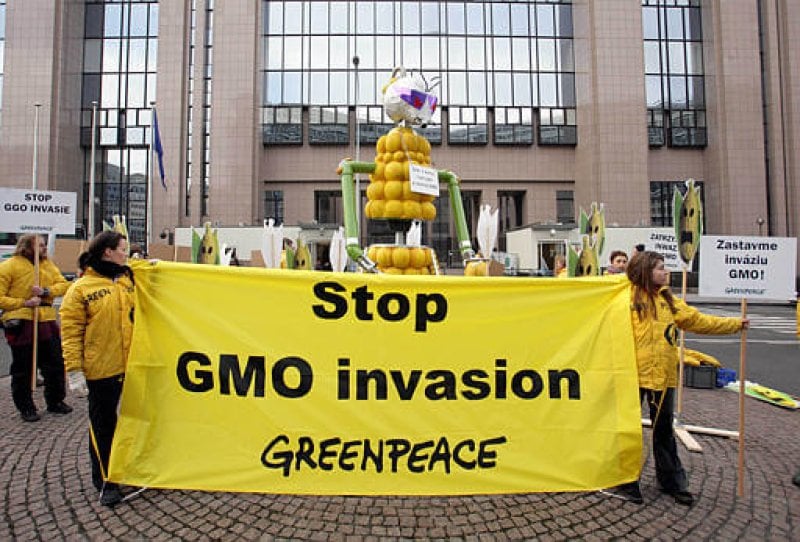

Many people criticize Greenpeace for backing the scientific consensus when it comes to climate change, but not when it comes to the safety of GMOs. Could you explain that tension?
…[I]f you look at public sentiment underlying the European distrust of GMOs, a lot of those questions are not to do with science because people are acutely aware that they don’t understand the science. But they are very aware … Political institutions are amenable to corporate pressure.
. . . .
If you look at GM crops that are coming to Europe, you’re essentially talking about GM tolerance and insect resistance. Those are designed… to go into large monocultures. That trajectory …of intensification, is that a good thing?
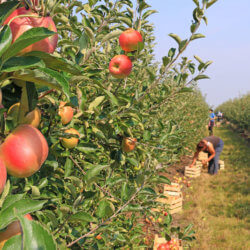
It has been 20 years since the first GM crops… and we’re still basically talking about monoculture-based crops. So although the GM advocates can say it’s not just about these things — and they’re right — …what’s actually available, it’s the stuff that’s going to help agriculture become more like large scales of monoculture. Somebody described this a “green concrete,” where in terms of life biodiversity, healthy soils etc, it’s just like concrete.




….
In the end, Greenpeace is a pressure group and the context that we’re now playing in is that facts matter less. … The political context in which we work is somewhat disorienting because truth seems to be a bit of a sideshow really.
The GLP aggregated and excerpted this blog/article to reflect the diversity of news, opinion and analysis. Politico Pro subscribers can read the full, original post: Interview with Greenpeace UK chief scientist Doug Parr





















