Food companies may go ‘non-GMO’ for marketing reasons

[Editor’s Note: The author of this excerpt, Shiloh Perry, is a communications assistant for the American Farm Bureau]

Companies often make quick decisions to differentiate their brands and products without fully evaluating the impacts of their policy changes. Often they put out announcements about changing their production practices—changes that … provide an immediate halo effect—after sales fall….

…[C]ompanies listen to their customers, but they also need to think about their suppliers and the impact of their decisions. Too often the direction a company takes is based on misinformation and a broad misunderstanding of agriculture. The results: corporate sourcing standards that insist farmers and ranchers raise their crops and animals in ways that are less efficient, possibly less humane, and definitely less sustainable.

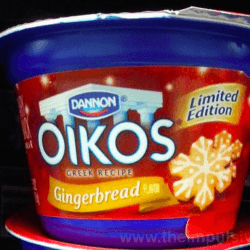
A recent example is Dannon’s move to non-GMO feed for its dairy cows….

. . . .

Now agriculture is speaking up ….. We are engaging with food companies to help them see all of the on-the-ground consequences. When they do not listen, as with Dannon, we call out their actions for what they are. Often their actions are simply based on “fear-based marketing.”
. . . .

It is time for more food companies and their customers to … learn about the true sustainability of modern agriculture.

The GLP aggregated and excerpted this blog/article to reflect the diversity of news, opinion and analysis. Read full, original post: Importance of producer, supplier, customer communication

Related Articles

Infographic: Global regulatory and health research agencies on whether glyphosate causes cancer

Infographic: Global regulatory and health research agencies on whether glyphosate causes cancer

Does glyphosate—the world's most heavily-used herbicide—pose serious harm to humans? Is it carcinogenic? Those issues are of both legal and ...

Most Popular

Bayer Crop Circle in Golden Wheat
Making fertilizer from thin air: Bayer’s gene-editing innovation could dramatically cut chemical fertilizer use in growing food
Glossy Plastic Bag of Tokens and Labels
Viewpoint: How CNN got played by environmental activists pushing a plastics scare and litigation agenda
Picture1
Viewpoint: How badly is the U.S. food-safety net fraying? FDA’s bungled handling of the tainted lettuce crisis deepens concerns over cuts to disease tracking and response
Screenshot-2026-10-30-at-10.55.54-AM
Longevity scandal: The huckster who validates the ‘oldest people in the world’ claims
Screenshot-2026-10-28-at-3.00.44-PM
Viewpoint: Activist attacks on corporations increasingly depend on "attribution" science to target oil companies for global climate change
Screenshot-2026-10-21-at-11.30.51-AM
Viewpoint: Yes, our food system stinks, but the attack of ultra-processed foods is often misplaced
Red and Green Embroidered Campaign Caps
Viewpoint: The fragile (and often bizarre) MAHA-MAGA-far left health-and-chemicals coalition is fracturing. Here’s why
Screenshot-2026-06-18-at-2.52.05-PM
Trump is “terminating” Biden-era rule aimed at cutting climate-warming methane emissions from oil and gas drilling
ChatGPT-Image-Mar-10-2026-01_39_01-PM
Viewpoint—“Miracle molecule” debunked: Why acemannan supplements don’t work
Reaching Through the Woven Sky
Challenging genetic modification rejectionists: Our evolving food system has relied on science for thousands of years
Screenshot-2026-10-30-at-11.36.40-AM
An Earth-saving benefit of global warming?: How fossil fuel-burning humans stopped the looming Ice Age
Robots in a Futuristic Conference Meeting
Helpful until we’re helpless? Researchers warn AI is gradually eroding human control
Screenshot 2026-07-29 at 10.40
The COVID vaccine turbo cancer scare is back. Science still proves it’s wrong.
glp menu logo outlined

Get news on human & agricultural genetics and biotechnology delivered to your inbox.