Personality genes correlate with psychiatric disorders

personality

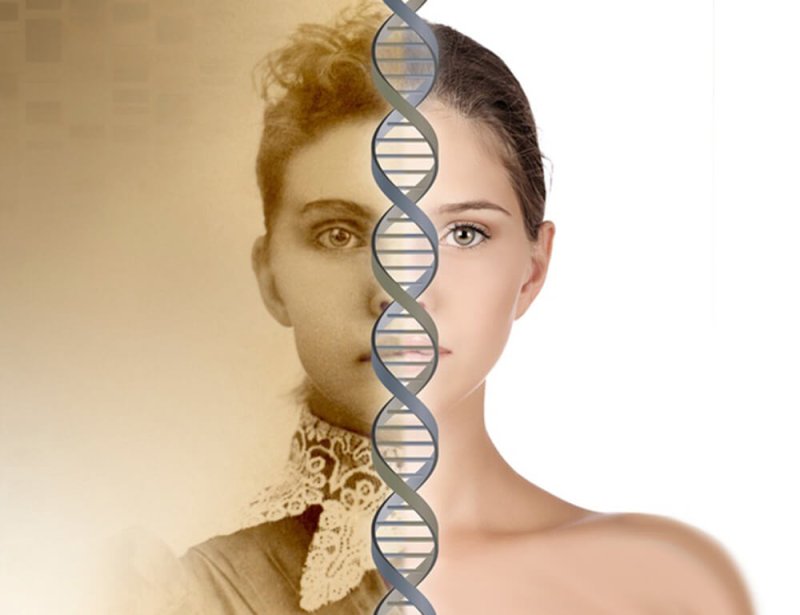
Nature vs. nurture has been a long-standing argument between the fields of biology and psychology. However…investigators have identified six loci or regions of the human genome that are significantly linked to personality traits. Moreover, the new findings also show correlations with psychiatric disorders.

…

Five psychological factors are commonly used to measure individual differences in personality:

  • Extraversion (versus introversion) reflects talkativeness, assertiveness, and a high activity level
  • Neuroticism (versus emotional stability) reflects negative affect, such as anxiety and depression
  • Agreeableness (versus antagonism) measures cooperativeness and compassion
  • Conscientiousness (versus undependability) indicates diligence and self-discipline
  • Openness to experience (versus being closed to experience) suggests intellectual curiosity and creativity.

…

The UCSD researchers analyzed genetic variations among the five personality traits and six psychiatric disorders….Interestingly, the researchers found that extraversion was associated with variants in the gene WSCD2 and near gene PCDH15—whereas neuroticism was associated with variants on chromosome 8p23.1 and gene L3MBTL2….

Additionally, there were high genetic correlations between extraversion and attention-deficit hyperactivity disorder (ADHD) and between openness and schizophrenia and bipolar disorder. Neuroticism was genetically correlated with internalized psychopathologies, such as depression and anxiety.

The GLP aggregated and excerpted this blog/article to reflect the diversity of news, opinion, and analysis. Read full, original post: Personality Traits Mapped to Specific Genomic Locations


Related Articles

Infographic: Global regulatory and health research agencies on whether glyphosate causes cancer

Infographic: Global regulatory and health research agencies on whether glyphosate causes cancer

Does glyphosate—the world's most heavily-used herbicide—pose serious harm to humans? Is it carcinogenic? Those issues are of both legal and ...

Most Popular

ChatGPT-Image-Mar-10-2026-01_39_01-PM
Viewpoint—“Miracle molecule” debunked: Why acemannan supplements don’t work
ChatGPT-Image-Sep-29-2026-12_16_42-PM
Social media influencers are driving food misinformation across Europe
ChatGPT-Image-Sep-30-2026-01_11_07-PM
How U.S. teamed with Russia to block global human AI weapons oversight
ChatGPT-Image-Sep-21-2026-03_15_09-PM
Viewpoint: Chipotle-inspired lesson: 10,000 sick customers suggest that processed foods can be safer than fresh ones
Screenshot-2026-09-29-at-11.06.43-AM
Astrology, homeopathy, vaccine rejectionism, creationism: Why pseudoscience thrives as science advances
ChatGPT-Image-Sep-23-2026-02_36_39-PM
Viewpoint: After firing the entire National Science Board, Trump reshapes funding initiatives. Here’s the good and the bad.
generated-1790707585414
Facts & Fallacies podcast: America's health care system is broken. A doctor explains how to fix it
Screenshot-2026-09-28-at-1.16.38-PM
Defying public perceptions, U.S. cancer deaths plunged 35% since 1991
Screenshot-2026-09-17-at-1.07.08-PM
'We are dangerously addicted to antidepressants': Should we heed RFK Jr.’s sobering warning?
ChatGPT-Image-Jun-18-2026-04_15_29-PM
Viewpoint: Kennedy’s ‘bad science’: MAGA embrace bolsters HHS secretary’s influence and popularity
ChatGPT-Image-Sep-2-2026-02_03_32-PM
How much of a problem is AI’s water use?
Screenshot-2026-09-16-at-10.27.33-AM
Viewpoint: SCOTUS poised to address First Amendment tension between mandatory vaccines, children’s health and religious freedom 
glp menu logo outlined

Get news on human & agricultural genetics and biotechnology delivered to your inbox.