As food insecurity rises in Zimbabwe, so do calls to repeal GMO ban

gpi e
Source: Big News Network

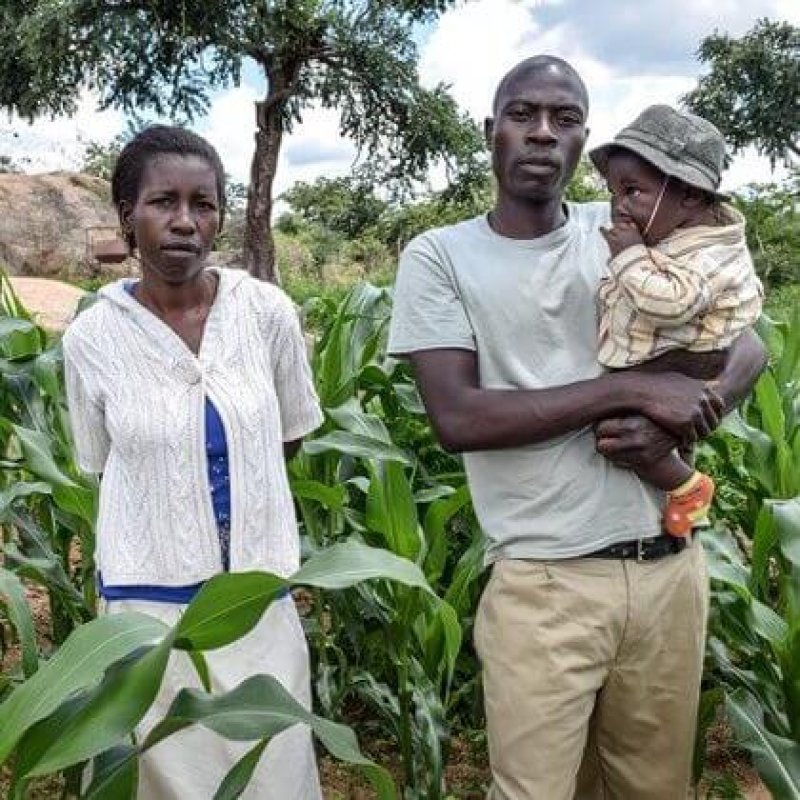
Food is scarce in [Domboshava]…

Weather changes, including harsher winters and shorter rainy seasons, have compromised the earth’s soil so that it cannot sustain crops as it once did. The problem is compounded by the fact that the government has since 2006 banned the import of all genetically modified produce and the use of seeds enhanced with genetically modified organisms, known as GMOs.

“We are not picky when it comes to receiving GMO or non-GMO food,” [Spiwe] Mucharanji, [the home mother at the Tariro Orphanage Trust,] says. “The situation is unbearable.”

Rates of food insecurity have risen rapidly in recent years, with an increase from 1.5 million people (16 percent of the population) …ย according to initial May 2015 estimates, to 2.8 million people (30 percent of the population) …ย according to later estimates for that same point in time, according to the Zimbabwe Vulnerability Assessment Committee’s July 2016 report.

But for many Zimbabweans, the [legality of GMOs] isn’t worth discussing when they’re struggling to find any food at all.

“You walk into the shop and choose what to buy based on affordability,” says Robin Maenzanise, who is unemployed.

Most people don’t know the difference between GMO and non-GMO products, he says. They’re just struggling to feed their families.

The GLP aggregated and excerpted this blog/article to reflect the diversity of news, opinion, and analysis. Read full, original post:ย Despite Rise in Hunger, Zimbabwe Continues Ban on Some Genetically Modified Products

{{ reviewsTotal }}{{ options.labels.singularReviewCountLabel }}
{{ reviewsTotal }}{{ options.labels.pluralReviewCountLabel }}
{{ options.labels.newReviewButton }}
{{ userData.canReview.message }}

Related Articles

Infographic: Global regulatory and health research agencies on whether glyphosate causes cancer

Infographic: Global regulatory and health research agencies on whether glyphosate causes cancer

Does glyphosateโ€”the world's most heavily-used herbicideโ€”pose serious harm to humans? Is it carcinogenic? Those issues are of both legal and ...

Most Popular

Screenshot-2026-05-01-at-1.29.41-PM
Viewpoint: What happens when whole grains meet modern food manufacturing? Labels donโ€™t tell the whole story.
Farmers can talk to plants
Farmers are a major source of misinformationโ€”about farming
Screenshot-2026-04-12-135256
Bixonimania: The fake disease scam that AI swallowed whole
ChatGPT-Image-Apr-13-2026-02_20_22-PM
Viewpoint: Misinformation infodemic? Why assessing evidence is so challengingย 
S
As vaccine rejectionism spreads, measles may be taking a more dangerous turn
bigstock opioids on chalkboard with rol
GLP podcast: 'Safe injection sites': enabling drug addiction or saving lives?
a ufo a photoblog
U.S. government accused of pushing โ€˜fake newsโ€™ about UFOs to cover-up secret dark-project drone and aircraft technology

Sorry. No data so far.

glp menu logo outlined

Get news on human & agricultural genetics and biotechnology delivered to your inbox.