Environmentally friendly farm chemicals? Bio-insecticides edge closer to reality

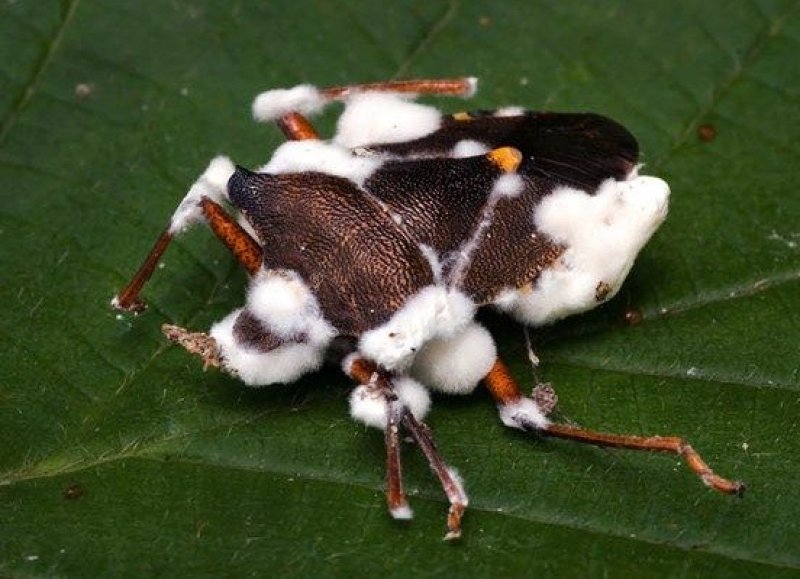
fungus beauveria bassiana entomopathogenic fungi x e
The fungus Beauveria bassiana acts as a parasite to many insects.

A ‘new generation’ of environmentally friendly pesticides is a step closer as researchers make an important breakthrough in pest control efficiency thanks to an insect-killing fungus.

Molecular virologists Dr Robert Coutts from the University of Hertfordshire and Dr Ioly Kotta-Loizou from Imperial College London are investigating the potential of Beauveria bassiana (B. bassiana) as an environmentally friendly pesticide, or bio-insecticide.

B. bassiana is an insect-pathogenic fungus found naturally in soil and on some plants. The fungus can kill a wide range of bugs by infecting them with its spores. These include notorious crop-killing and household pests such as whiteflies, aphids, grasshoppers and termites.

‘This discovery is potentially transformational for the sector and could elevate the profile of B. bassiana as one of the most environmentally friendly pest control agents for farmers today. This would safeguard ecosystems internationally, especially where the use of chemical insecticides is particularly prevalent,’ [said Dr Coutts.]

‘It is an extremely important breakthrough. By using viruses as enhancers we will create a new generation of improved mycoinsecticides, increasing the quality of global food production and reducing the environmental impact.’

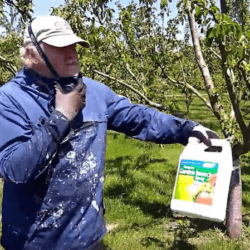
Without [insecticides] it has been estimated that global food production could fall by as much as 35-40%, increasing the cost of food and threatening food security.


The GLP aggregated and excerpted this blog/article to reflect the diversity of news, opinion, and analysis. Read full, original post: Major breakthrough in search for environmentally friendly pesticide

Related Articles

Infographic: Global regulatory and health research agencies on whether glyphosate causes cancer

Infographic: Global regulatory and health research agencies on whether glyphosate causes cancer

Does glyphosate—the world's most heavily-used herbicide—pose serious harm to humans? Is it carcinogenic? Those issues are of both legal and ...

Most Popular

ChatGPT-Image-Sep-17-2026-12_28_43-PM
Vitamin D, omega-3 fish oil and glucosamine supplements could cause brain damage 
ChatGPT-Image-Mar-10-2026-01_39_01-PM
Viewpoint—“Miracle molecule” debunked: Why acemannan supplements don’t work
ChatGPT-Image-Sep-17-2026-10_17_15-AM
Viewpoint: Why are the less intelligent more likely to be conservative—and smarter people more socially liberal?
Screenshot-2026-09-10-at-12.20.19-PM
'Jet fuel didn't melt the steel': 9/11 conspiracy theories debunked
Screenshot-2026-08-12-at-11.31.46-AM
AI is helping develop new vaccines
Screenshot-2026-09-17-at-10.24.54-AM
Viewpoint: Dubious environmental fears: Why the AI buildout is critical to America’s ecological future
Screenshot 2026-09-11 at 12.39
Child-monitoring apps: When the cure is worse than the harm—and how the technology could be tweaked
Screenshot-2026-09-16-at-12.07.47-PM
The heated debate over trans athletes in the WNBA
ChatGPT-Image-Sep-9-2026-02_48_24-PM
Viewpoint: Trump-RFK Jr. report on “Gender Ideology & Left-wing Ideology’ targets LGBTQ community—and science
ChatGPT-Image-Sep-15-2026-12_15_00-PM
Viewpoint: Women, depression and empathy: Explaining the gender gap in views about child-murderer Lindsay Clancy
glp menu logo outlined

Get news on human & agricultural genetics and biotechnology delivered to your inbox.