

[Editor’s Note: The following is a review of the book, “Innovation and Its Enemies: Why People Resist New Technologies” by Harvard University professor Calestous Juma.]
On the one hand, the world is obviously a much better place than it used to be.
On the other hand, the world is full of risks, dangers, and insecurities that humans have not previously encountered.
In his new book, Calestous Juma pits these two forces viscerally against each other. Fittingly titled Innovation and Its Enemies, the book charts a fascinating new history of emerging technologies and the social opposition they ignite.
…




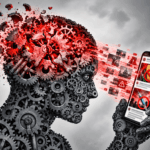
[I]t would be foolish to conclude that the best stance is to laugh off social resistance and blindly cheer the forceful arrival of new technologies.
[I]nnovation’s enemies are not simply the enemies of modernity. They are modernity itself, with all its contradictory desires, forces, and discourses. Integrating this diversity of values and perspectives will take, Juma writes, “a worldview of the future that visualizes exponential technological advancement, appreciates the perception of loss in complex socio-economic systems, and develops more appropriate approaches for supporting informed decision making.” That means bold and bright political leadership. It means movements to fire up the public’s imagination. It means negotiating and channeling multiple social perspectives toward solving common problems.
The GLP aggregated and excerpted this blog/article to reflect the diversity of news, opinion, and analysis. Read full, original post: Book Review: Change’s Challengers