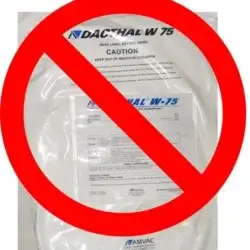
Will California break with EPA and ban chlorpyrifos pesticide?

chlorpyrifos e

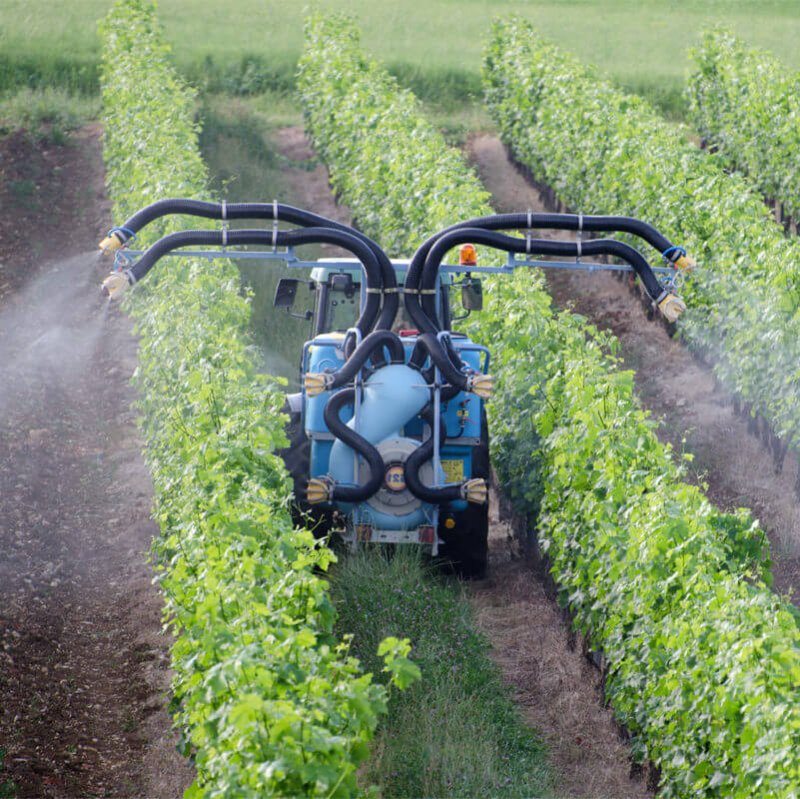
Approximately one million pounds of chlorpyrifos—about 20 percent of what’s used nationwide—are applied annually in California to dozens of food crops, including almonds, citrus, grapes, and broccoli. The greatest use is in agricultural counties, like Fresno, Kern, and Tulare counties, where homes and schools are often adjacent to agricultural fields. State air monitoring in several of these communities has found chlorpyrifos levels that exceed EPA safety targets by three to 44 times.

“California has the independent authority to ban chlorpyrifos here,” Natural Resource Defense Council (NRDC) senior scientist Miriam Rotkin-Ellman told Civil Eats. “What we need is for California to follow the science.”

In fact, California can do just that. If state authorities determine the science doesn’t support its use, state-level authorities have the authority to ban a pesticide.

A California chlorpyrifos ban would be a powerful market signal, since the state grows more than a third of U.S. vegetables and two-thirds of U.S. fruits and nuts. It could also significantly reduce children’s exposures, given the proximity of California homes and schools to active farm fields.

The GLP aggregated and excerpted this blog/article to reflect the diversity of news, opinion, and analysis. Read full, original post: Can California Reverse EPA’s U-Turn on Pesticide Ban?

For more background on the Genetic Literacy Project, read GLP on Wikipedia

{{ reviewsTotal }}{{ options.labels.singularReviewCountLabel }}
{{ reviewsTotal }}{{ options.labels.pluralReviewCountLabel }}
{{ options.labels.newReviewButton }}
{{ userData.canReview.message }}

Related Articles

Infographic: Global regulatory and health research agencies on whether glyphosate causes cancer

Infographic: Global regulatory and health research agencies on whether glyphosate causes cancer

Does glyphosate—the world's most heavily-used herbicide—pose serious harm to humans? Is it carcinogenic? Those issues are of both legal and ...

Most Popular

Screenshot 2026-05-26 at 10.15
Viewpoint: Double standard—Why does the wellness industry get a free pass while Big Healthcare is treated as morally suspect?
ChatGPT-Image-Jun-4-2026-11_49_36-AM-2
‘You don’t understand Tolkien’: Skeptic Pope trolls tech giants about the exaggerated, risk-less benefits of AI
Screenshot 2025-07-30 at 10.48
Can gene editing eliminate Down syndrome? Scientists have done it in lab-grown cells
ChatGPT Image May 26, 2026, 08_42_17 AM (1)
Viewpoint: Greenpeace and poison: How environmental advocacy groups rely on compliant (and often ignorant) journalists to spread disinformation and spark litigation
ChatGPT-Image-Jun-4-2026-01_27_58-PM
Viewpoint—N.A.D.+: Why Gwenyth Paltrow’s heralded anti-aging supplement doesn’t work
Screenshot-2026-06-04-at-12.05.08-PM
Cases of brain inflammation surge as U.S. measles pandemic approaches 2000
ChatGPT Image May 26, 2026, 08_21_36 AM
Limiting gender affirming interventions: Trump administration targets Texas even though it already bans youth access
Screenshot-2026-06-03-at-1.24.46-PM
Challenging anti-GMO disinformation: Why genetically-tweaked crops offer bushels of benefits
ChatGPT-Image-Mar-10-2026-01_39_01-PM
Viewpoint—“Miracle molecule” debunked: Why acemannan supplements don’t work
ChatGPT-Image-May-26-2026-07_51_21-AM-2
Viewpoint: There are more than 1,000 chemicals in a cup of coffee—including many substances that can cause cancer. Why isn’t it banned?
ChatGPT-Image-Jun-2-2026-03_04_17-PM
Viewpoint: Why the hyper-promoted doping ‘enhanced games’ pseudo Olympics flopped
Screenshot-2026-05-28-at-1.36.28-PM
Viewpoint: Can mRNA research survive the Trump administration?
glp menu logo outlined

Get news on human & agricultural genetics and biotechnology delivered to your inbox.