How ‘chemophobia’ links Food Babe to Rachel Carson’s ‘Silent Spring’

about foodbabe
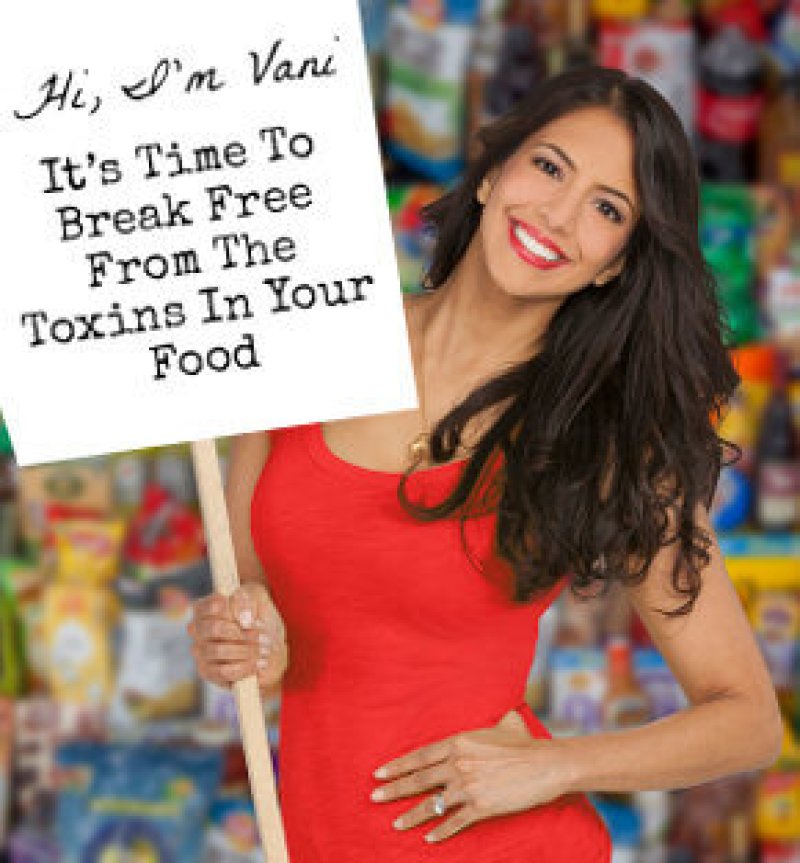
Anti-GMO activist Vani Hari, the "food babe"

Over fifty-four years since it was first published, Rachel Carson’s Silent Spring remains a divisive book. The exposรฉ led to the birth of the modern environmental movement and the banning of DDT for agricultural purposes. Fans hail Carson as an empowering whistleblower. Critics brand her as an anti-science ideologue.

The truth is somewhere in between….In the 1950s, DDT spraying programs prevented hundreds of millions of cases of malaria, especially in the developing world, saving an untold number of lives. At the same time, the wanton spraying of the pesticide, especially for agricultural use, was prompting insect resistance, precisely as Carson claimed.

“It was short on data and long on anecdotes,” pediatrician and science advocate Paul Offit summed up in his recently-released book, Pandora’s Lab.

“Unfortunately, Carson… gave birth to the notion of zero tolerance โ€“ the assumption that any substance found harmful at any concentration or dosage should be banned absolutely.”
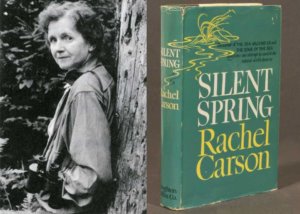
Carson’s vibrant and forceful writing made it all to clear to readers that the pristine “natural” world was full of insidious, invisible, chemical dangers. This nascent fear would eventually evolve into chemophobia, the irrational aversion to chemicals, that runs rampant today. It is no coincidence that chemophobia’s modern front person, Vani Hari, the “Food Babe,” has been compared to Rachel Carson.

The GLP aggregated and excerpted this blog/article to reflect the diversity of news, opinion, and analysis. Read full, original post:ย HOW RACHEL CARSON AND “SILENT SPRING” GAVE BIRTH TO CHEMOPHOBIA

{{ reviewsTotal }}{{ options.labels.singularReviewCountLabel }}
{{ reviewsTotal }}{{ options.labels.pluralReviewCountLabel }}
{{ options.labels.newReviewButton }}
{{ userData.canReview.message }}

Related Articles

Infographic: Global regulatory and health research agencies on whether glyphosate causes cancer

Infographic: Global regulatory and health research agencies on whether glyphosate causes cancer

Does glyphosateโ€”the world's most heavily-used herbicideโ€”pose serious harm to humans? Is it carcinogenic? Those issues are of both legal and ...

Most Popular

ChatGPT-Image-May-7-2026-12_16_37-PM-2
Viewpoint: Are cancer rates โ€˜skyrocketingโ€™ as RFK, Jr. and MAHA claim? The evidence says mostly the opposite
Screenshot-2026-04-22-at-10.46.29-AM
Viewpoint: How to counter science disinformation? Science journalist offers 12 practical tips
Screenshot-2026-04-13-at-1.39.26-PM
Viewpoint: โ€˜Safer for children?โ€™ Stonyfield yogurt under fire for deceptive organic marketing
Picture1-14
When superbugs threaten vulnerable children: Can AI help solve antibiotic resistance?
Screenshot-2026-04-23-at-11.00.36-AM
Regulators' dilemma: Thalidomide, Metformin, and the cost of getting drug approvals wrong
Picture1-1
Cooling the planet with balloons: Could a geoengineering gamble slow global warming?
bigstock opioids on chalkboard with rol
GLP podcast: 'Safe injection sites': enabling drug addiction or saving lives?
ChatGPT-Image-May-12-2026-08_39_41-PM
GLP podcast: Big Pharma, Big Ag, Big Foodโ€”health harming industries or life-saving innovators?

Sorry. No data so far.

glp menu logo outlined

Get news on human & agricultural genetics and biotechnology delivered to your inbox.