High yield gene-edited rice: Field trials begin in Japan

Screen Shot at PM
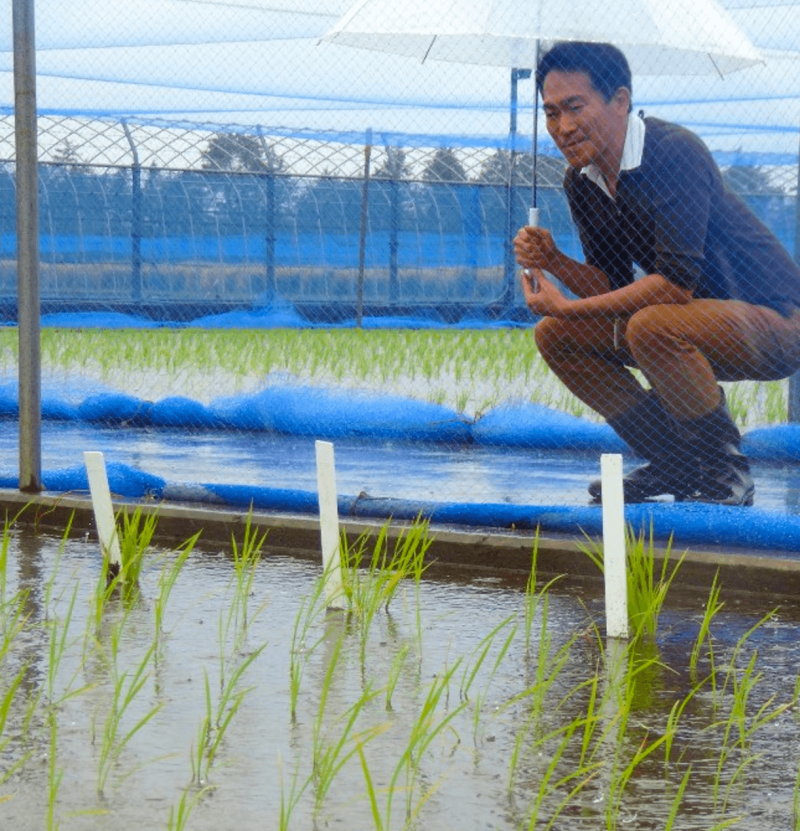
High yield gene-edited rice growing in Japan

A food research body [in Japan] has started growing genome-edited rice plants outdoors on a trial basis for the first time in Japan.

The trial by the National Agriculture and Food Research Organization is a step toward practical application of genome editing, a new technology that is expected to significantly increase the yield of rice plants. However, it is not yet clear whether Japan will classify these plants as genetically modified crops, and the country has yet to formulate rules, so it remains unknown whether such crops can be introduced smoothly.

In the editing process, two genes in the rice plant are stopped from functioning through the addition of other genes that serve as “molecular scissors.” By changing the plants’ hormonal balance, the number of husks in each ear of rice increases, as does the size of the rice grains themselves.

The process is part of a national strategy to further develop agriculture and expand exports. The final target is a 50 percent increase in the yield of crops.

In the latest experiment, external genes are added to the rice plants at the cultivation stage, but as a result of repeated cross-fertilization, by the time rice becomes food, none of the added genes remain. Researchers say this is no different from natural mutation.

The GLP aggregated and excerpted this blog/article to reflect the diversity of news, opinion, and analysis. Read full, original post: Japan starts growing genome-edited rice plants outdoors in national first

{{ reviewsTotal }}{{ options.labels.singularReviewCountLabel }}
{{ reviewsTotal }}{{ options.labels.pluralReviewCountLabel }}
{{ options.labels.newReviewButton }}
{{ userData.canReview.message }}

Related Articles

Infographic: Global regulatory and health research agencies on whether glyphosate causes cancer

Infographic: Global regulatory and health research agencies on whether glyphosate causes cancer

Does glyphosate—the world's most heavily-used herbicide—pose serious harm to humans? Is it carcinogenic? Those issues are of both legal and ...

Most Popular

ChatGPT-Image-Jul-7-2026-12_01_35-PM
Viewpoint: 21 worthless wellness trends inspired by RFK, Jr.’s ill-informed MAHA followers that can harm or even kill you.
Screenshot-2026-07-06-at-12.30.23-PM
2,300 endangered species: Controversial de-extinction company Colossal Biosciences joins U.S. effort to preserve their DNA
ChatGPT-Image-Jul-1-2026-03_33_49-PM
‘Alternative’ cancer treatments that could kill you
ChatGPT-Image-Jul-9-2026-10_36_24-AM
Deeply-flawed ivermectin study revives scientifically unsupported miracle cancer drug myth
ChatGPT-Image-Jun-30-2026-10_27_31-AM
Viewpoint: Europe clears the way for gene-edited crops — but fear-driven restrictions still slow their full potential
ChatGPT-Image-Mar-10-2026-01_39_01-PM
Viewpoint—“Miracle molecule” debunked: Why acemannan supplements don’t work
ChatGPT-Image-Jun-25-2026-12_23_17-PM
No, Bill Gates did not secretly engineer ticks to promote veganism
Screenshot-2026-07-09-at-9.48.49-AM
Do cold plunges and contrast therapy work?
d a ca e c c beb x
Facts & Fallacies podcast: The 'woke' crusade against anthropology? Dr. Elizabeth Weiss
Screenshot 2026-07-08 at 10.13
What happens when a pro-life congresswoman needs an abortion?
ChatGPT-Image-Jul-7-2026-11_19_20-AM
Signal or noise? Study links GLP-1 drugs to slowing the aging process
ChatGPT-Image-Jul-8-2026-04_10_51-PM-1
Kennedy-founded Children's Health Defense doubles down on support for Idaho mother charged by a grand jury with murdering her twins last year after claiming vaccines killed them
ChatGPT-Image-Jul-1-2026-12_37_08-PM
Viewpoint: Trump poised to politicize all U.S.-supported science research
glp menu logo outlined

Get news on human & agricultural genetics and biotechnology delivered to your inbox.