CAR-T therapy for leukemia patients may pave way to more personalized medicine

kanker darah

[Editor’s note: Jim Greenwood is president and CEO of the Biotechnology Industry Organization.]

[On July 19], experts at the U.S. Food and Drug Administration (FDA) convened to hear evidence about a new kind of cancer breakthrough from Novartis that can cure children and young adults with an intractable, debilitating, life-shortening and heretofore untreatable cancer.

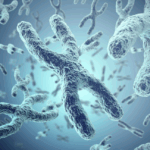
Chimeric Antigen Receptor T-cell gene therapy takes a type of white blood cell called T cells and genetically alters the cells to do what fully functional immune cells should do: fight off invaders…

The CAR-T breakthrough has been shown to be effective in more than 80 percent of the ALL patients tested, many of them children. But as is often the case with miracles, there can be a catch: in this case, serious side effects that, if not properly addressed, can hasten the patient’s death…

Our hope now is that the Novartis breakthrough will be the first in a coming wave of approvals for personalized medicines customized to help patients beat disease using their own modified cells…

Today, CAR-T therapy is seen as a route to healing for young people tragically affected by a rare leukemia unresponsive to available treatments. Tomorrow, who knows? Already, there are investigations under way to determine if this method can be used to treat other kinds of cancer in different patient populations

The GLP aggregated and excerpted this blog/article to reflect the diversity of news, opinion, and analysis. Read full, original post: Green Light for CAR-T Leukemia Treatment Is an Historic Moment for Biotechnology

{{ reviewsTotal }}{{ options.labels.singularReviewCountLabel }}
{{ reviewsTotal }}{{ options.labels.pluralReviewCountLabel }}
{{ options.labels.newReviewButton }}
{{ userData.canReview.message }}

Related Articles

Infographic: Global regulatory and health research agencies on whether glyphosate causes cancer

Infographic: Global regulatory and health research agencies on whether glyphosate causes cancer

Does glyphosate—the world's most heavily-used herbicide—pose serious harm to humans? Is it carcinogenic? Those issues are of both legal and ...

Most Popular

Screenshot 2025-08-25 203032
Mazzenga’s 20-year old muscles: How a still-going-strong 92-year old sprinter wins every race she enters
Screenshot-2026-06-08-at-10.19.30-AM
‘Natural’ wellness supplements linked to liver injury
ChatGPT-Image-May-28-2026-12_56_54-PM
Viewpoint: Vaccines' non-specific effects? The ‘shoddy’ Danish couple whose 'research’ inspires RFK, Jr.’s health delusion
Screenshot-2026-06-05-at-2.12.30-PM
Some plants can poison you. So how did humans figure out what is safe to eat?
Credit: ACSH
Viewpoint: Who and what’s to blame for the surge in vaccine-preventable diseases?
Screen Shot at AM
Facts & Fallacies Podcast: Right-wing politics bad for your health? Separating speculation from science
Screenshot-2026-06-05-at-1.44.09-PM
Viewpoint: Scientists have scrapped the worst-case climate scenario. Is that proof that climate change is a hoax, as Trump claims?
ChatGPT-Image-Jun-9-2026-03_24_05-PM
Misinformed parents overdosing children with Vitamin A to fight measles
Screenshot 2025-07-30 at 10.48
Can gene editing eliminate Down syndrome? Scientists have done it in lab-grown cells
ChatGPT-Image-Mar-10-2026-01_39_01-PM
Viewpoint—“Miracle molecule” debunked: Why acemannan supplements don’t work
ChatGPT-Image-Jun-9-2026-11_54_59-AM
Why weight-loss drugs might be reducing cancer rates and making treatment more effective
Screenshot-2026-06-08-at-11.05.51-AM
Can vaping lead to cancer? New ‘association study’ raises questions of “links"
glp menu logo outlined

Get news on human & agricultural genetics and biotechnology delivered to your inbox.