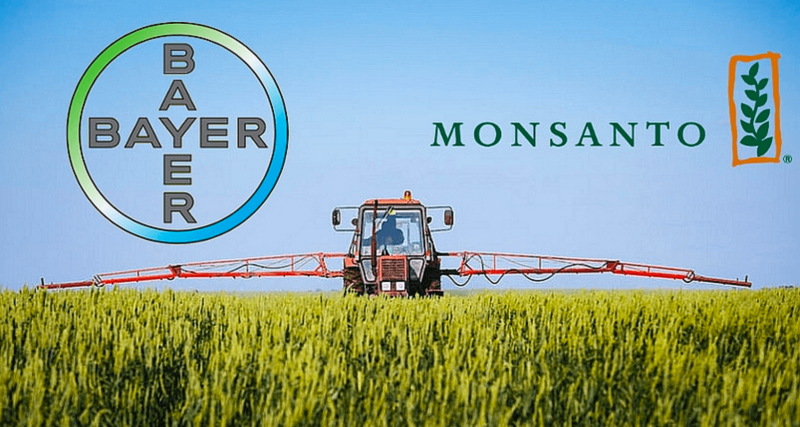
Viewpoint: How the Monsanto-Bayer merger threatens livelihoods of rural America

Screen Shot at AM

[Writer Austin Frerick lives in Winterset, Iowa and is a former economist at the U.S. Department of the Treasury.]

Iowa farmers face a crisis. Crop prices have fallen by more than 50 percent since 2013, with no end in sight.

Meanwhile, a wave of mergers among the world’s agricultural giants is upending the markets for seeds, fertilizers and pesticides. If approved, the proposed merger would result in just two companies — Monsanto-Bayer and Dow-DuPont — controlling about three-quarters of the U.S. corn seed market.

The price of corn seed has more than doubled in the past 10 years — from $51 per acre in 2006 to

Screen Shot at AM
Austin Frerick

$102 in 2015 — as a result of similar consolidation….. If the Monsanto-Bayer merger is permitted, this problem will only intensify, further limiting farmers’ choices and making the products they need even more expensive.

Yet this mega-merger is moving forward with barely a murmur of concern from our elected officials in Washington. Not a single senator raised this matter at confirmation hearings for Secretary of Agriculture Sonny Perdue.

Time and again, studies have shown that monopolies result in less innovation, fewer choices and higher prices for farmers and consumers. We cannot continue to line the pockets of wealthy executives in far-off big cities. By breaking up these giants, we can restore competition and bring vitality back to Iowa’s rural communities.

The GLP aggregated and excerpted this article to reflect the diversity of news, opinion and analysis. Read full, original post: To save rural Iowa, we must oppose Monsanto-Bayer merger

{{ reviewsTotal }}{{ options.labels.singularReviewCountLabel }}
{{ reviewsTotal }}{{ options.labels.pluralReviewCountLabel }}
{{ options.labels.newReviewButton }}
{{ userData.canReview.message }}

Related Articles

Infographic: Global regulatory and health research agencies on whether glyphosate causes cancer

Infographic: Global regulatory and health research agencies on whether glyphosate causes cancer

Does glyphosate—the world's most heavily-used herbicide—pose serious harm to humans? Is it carcinogenic? Those issues are of both legal and ...

Most Popular

ChatGPT-Image-Jun-16-2026-10_29_11-AM
What’s behind Anthropic’s warning about the accelerating development of AI
ChatGPT-Image-Jun-16-2026-10_01_45-AM-2
Viewpoint—Recursive self-improvement: AI leader Anthropic calls for AI slowdown
Screenshot-2026-06-16-at-10.02.22-PM
Viewpoint: ‘Industrial food’ primer—Challenging the dangerous delusions of the alternative food movement
Screenshot-2026-06-17-at-11.57.12-AM
Viewpoint: Raw milk and the myth of safety—ProPublica exposes the growing anti-homogenization movement
ChatGPT-Image-Jun-9-2026-01_11_37-PM
Turmeric supplements: More risks than benefits
ChatGPT-Image-Jun-15-2026-02_31_28-PM-2
Trump-appointed cancer panel head backed by supplement and anti-vaccine companies promotes discredited support for ivermectin as a potential cure
ChatGPT-Image-Jun-4-2026-03_07_27-PM
AAP v. Kennedy: While a court challenge grinds on, RFK Jr. quietly advances his anti-vaccine conspiracy agenda
ChatGPT-Image-Mar-10-2026-01_39_01-PM
Viewpoint—“Miracle molecule” debunked: Why acemannan supplements don’t work
newborn infant baby mother
Facts & Fallacies Podcast: The truth about vitamin K shots
Screenshot-2026-06-16-at-11.23.32-AM
In a rebuke to RFK, Jr.’s anti-vax crusade, journal retracts study claiming hepatitis B vaccine–autism link
ChatGPT Image Jun 16, 2026, 12_03_37 PM
Kennedy accused of trying to ‘bully’ science journal that retracted study linking vaccines to infant deaths
Screenshot 2025-07-30 at 10.48
Can gene editing eliminate Down syndrome? Scientists have done it in lab-grown cells
Screenshot-2026-06-05-at-2.12.30-PM
Some plants can poison you. So how did humans figure out what is safe to eat?
glp menu logo outlined

Get news on human & agricultural genetics and biotechnology delivered to your inbox.