Controversy over GMO labeling has not increased public health concerns, survey finds

example gmolabel
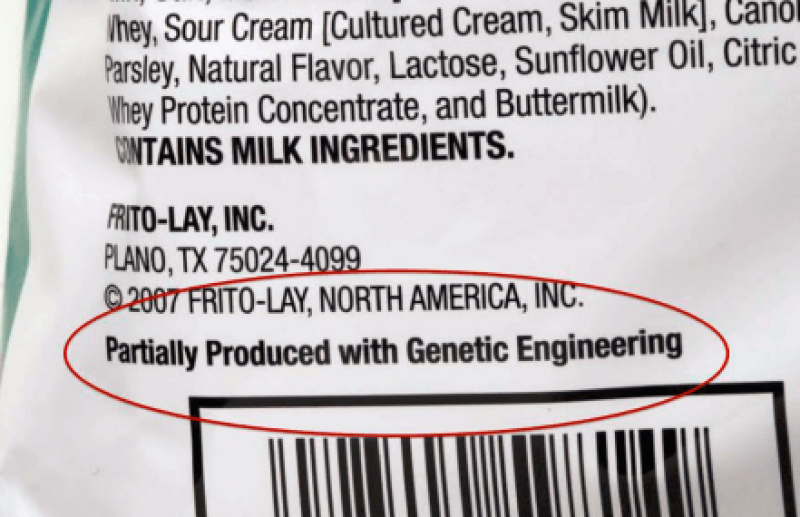
An example of GMO labeling on a popular bag of chips

The Food Demand Survey has been conducted nationwide and monthly since May of 2013.  In November of 2014, two states – Colorado and Oregon – held widely publicized votes on mandatory GMO labeling.  

These data allow us to calculate a so-called difference-in-difference estimate. That is – were people in CA and OR more concerned about GMOs than people in the rest of the country (this is the first difference) and how did this gap change during and after all the publicity surrounding the vote (this is the second and third difference)?

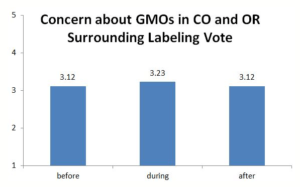
Apparently there was no effect. The graph below shows, as compared to people in other states where there were no votes, there was actually a small increase in concern for GMOs in CO and OR in the months during the vote …which then fell back down to pre-vote levels after the vote.  
survey gmo
The graph shows three time periods: before, during, and after the GMO labeling vote. The survey asked respondents how concerned they were about GMOs, with 5 being the most concerned.

So, despite evidence that the vote initiative on mandatory labeling led to an increase in awareness of GMOs in the news, it did not substantively affect concern about GMOs one way or the other.

The GLP aggregated and excerpted this article to reflect the diversity of news, opinion and analysis. Read full, original post: How Votes on GMO Labeling Change Concerns for GMO


{{ reviewsTotal }}{{ options.labels.singularReviewCountLabel }}
{{ reviewsTotal }}{{ options.labels.pluralReviewCountLabel }}
{{ options.labels.noReviewsLabel }}
{{ options.labels.newReviewButton }}
{{ userData.canReview.message }}

Related Articles

Infographic: Global regulatory and health research agencies on whether glyphosate causes cancer

Infographic: Global regulatory and health research agencies on whether glyphosate causes cancer

Does glyphosate—the world's most heavily-used herbicide—pose serious harm to humans? Is it carcinogenic? Those issues are of both legal and ...

Most Popular

Screenshot 2026-07-11 094410
Growing animal muscle and fat cells inside rice grains and calling it beef: One of numerous genetically engineered products shaking up our ecosystem
ChatGPT-Image-Mar-10-2026-01_39_01-PM
Viewpoint—“Miracle molecule” debunked: Why acemannan supplements don’t work
file-f-d-d-
Facts & Fallacies Podcast: Europe's AC debacle underscores fatal flaw in green activism
Screenshot-2026-07-16-at-11.32.12-AM
Viewpoint: Trump appoints climate change hoax promoter to head influential government policy project
Screenshot 2026-07-16 at 8.49
Pete Hegseth’s bizarre Viagra commercial as Trump administration endorses ‘hormone replacement therapy’
ChatGPT-Image-Jun-25-2026-12_23_17-PM
No, Bill Gates did not secretly engineer ticks to promote veganism
Screenshot-2026-07-16-at-6.02.54-PM
Wellness grifters overwhelm information channels in the developing world, and the problem is escalating
ChatGPT-Image-Jul-9-2026-02_39_22-PM
Viewpoint: Polyphenols or NAD+ supplements to combat aging: No, Gwenyth Paltrow and followers, don’t waste your money.
Screenshot 2025-09-17 at 12.41
Misinformation alert: No, glyphosate use in Canadian forests is not spurring more wildfires
ChatGPT-Image-Jul-1-2026-03_33_49-PM
‘Alternative’ cancer treatments that could kill you
Screenshot-2026-07-16-at-12.08.38-PM
Viewpoint: With trust in doctors and mainstream medicine collapsing, medical professionals need a new communications strategy
Screenshot-2026-07-08-at-9.36.03-AM
Viewpoint: Long-contained diseases are on the rise in the U.S. Are Trump cuts to blame?

Sorry. No data so far.

glp menu logo outlined

Get news on human & agricultural genetics and biotechnology delivered to your inbox.