Do pesticide seed treatments inadvertently promote weeds?

Screen Shot at AM

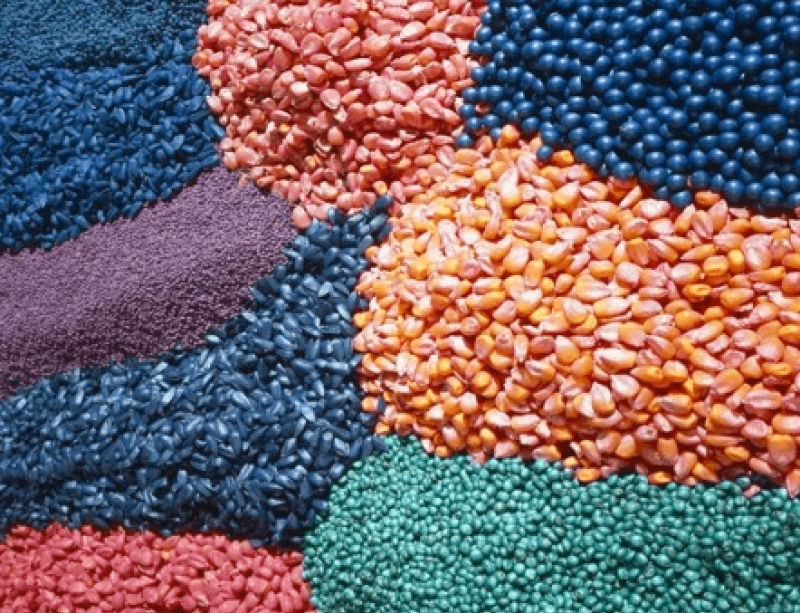
A researcher with the NH Agricultural Experiment Station at the University of New Hampshire has received a $474,679 grant to determine if pesticide seed treatments inadvertently protect weed seeds in the soil from being attacked by naturally occurring invertebrate and fungal species.

“We have data suggesting that the insecticides and fungicides coated on most corn and some soybean seeds, generally referred to as pesticide seed treatments, can exacerbate the weed challenges faced by farmers. We hypothesize that pesticide seed treatments protect weed seeds in the soil from attack by their invertebrate and fungal “natural enemies,” and we have preliminary data supporting this,” [said experiment station researcher Richard Smith, UNH associate professor of agroecology]

“We also have data indicating that noncrop plants, such as cover crops, can take up significant quantities of residual pesticides from the soil, suggesting that strategic planting of cover crops could mitigate spill-over effects of pesticide seed treatments on weeds, including those resistant to glyphosate,” he said.
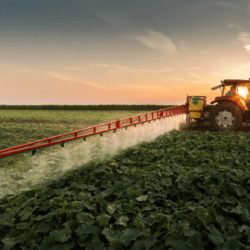

The research project will take place at the UNH Kingman Research Farm, a facility of the NH Agricultural Experiment Station, and a university research farm in Pennsylvania.

The GLP aggregated and excerpted this article to reflect the diversity of news, opinion and analysis. Read full, original post: UNH to study whether pesticides on crop seeds accidentally make weeds worse


{{ reviewsTotal }}{{ options.labels.singularReviewCountLabel }}
{{ reviewsTotal }}{{ options.labels.pluralReviewCountLabel }}
{{ options.labels.newReviewButton }}
{{ userData.canReview.message }}

Related Articles

Infographic: Global regulatory and health research agencies on whether glyphosate causes cancer

Infographic: Global regulatory and health research agencies on whether glyphosate causes cancer

Does glyphosate—the world's most heavily-used herbicide—pose serious harm to humans? Is it carcinogenic? Those issues are of both legal and ...

Most Popular

vax-misinformation-main
Facts & Fallacies Podcast: Limit free speech to blunt social media misinfo?
Picture1
The FDA couldn’t find a vaccine safety crisis, so it buried its own research
ChatGPT-Image-Apr-16-2026-02_56_53-PM
Financial incentives, over diagnosis, and weak oversight: Autism claims are driving up Medicare costs
Screenshot-2026-05-08-at-11.55.47-AM
Anti-vax activists falsely blame COVID vaccines for the rising U.S. cancer rate among younger people.
ChatGPT-Image-May-12-2026-11_27_01-AM-2
AI likely to improve health care, research shows—but not for blacks and ethnic minorities
modi visit sikkim
Viewpoint: Indian PM wants farmers to switch to 50% organic. It would take at least 10 years, likely won’t work, and isn’t more sustainable
ChatGPT-Image-May-7-2026-12_32_36-PM
Viewpoint: The state of U.S. vaccine policy? Dismal nationally, but some states are stepping up.
Screenshot-2026-04-22-at-12.21.32-PM
Viewpoint: Why the retracted Monsanto glyphosate study doesn’t change the science—the world’s most popular herbicide is safe 
Screenshot-2026-05-19-at-11.23.34-AM
West-originated vaccine disinformation sparks murders of health care workers across Africa
Screenshot-2026-04-13-at-1.39.26-PM
Viewpoint: ‘Safer for children?’ Stonyfield yogurt under fire for deceptive organic marketing
Screenshot-2026-05-18-at-12.57.12-PM
Viewpoint—‘Technology is pulling us apart’: Environmental, political, and economic
ChatGPT-Image-May-12-2026-08_39_41-PM
GLP podcast: Big Pharma, Big Ag, Big Food—health harming industries or life-saving innovators?
newborn infant baby mother
Sharp rise in number of parents refusing newborn vitamin K shots, putting babies at 81-fold higher risk of severe bleeding
glp menu logo outlined

Get news on human & agricultural genetics and biotechnology delivered to your inbox.