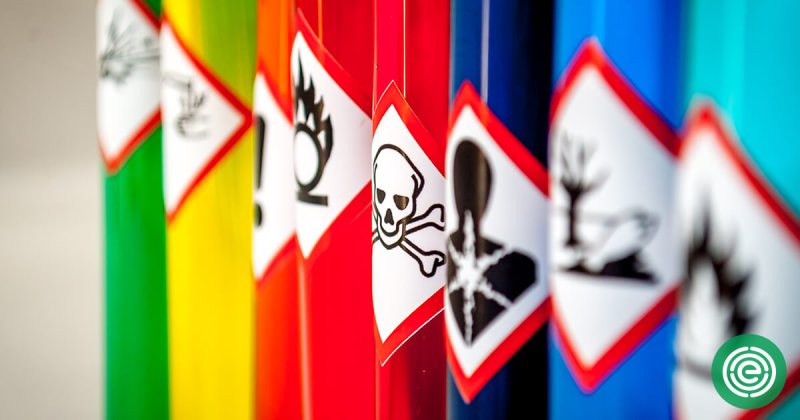
Science double standard: Media embrace NGO-exaggerated risks, downplay industry research

EWG Social Share TSCA C
[T]here is a dangerous double standard in news coverage of environmental and public health risks. Research funded by industry, playing down the risk, almost always prompts appropriate skepticism and challenge. Research by public health and environmental advocates, almost invariably playing up the risk, almost never does.

We instinctively trust those we perceive to be on our side, and mistrust those who arenโ€™t. Environmental and public health groups may have their own agendas, but they are on our side, the publicโ€™s side. Corporations and industry are on their own side, and selfishly put their profit above public interest.

But such journalistic imbalance can do real harm. Reporting that fails to apply reasonable skepticism to the scientific claims of environmental and public health advocates โ€” claims that generally play up risk and danger โ€” leaves us more afraid of some things than the evidence suggests we need to be: genetically modified food, radiation and nuclear power, industrial chemicals. All of these things pose some risk, but not nearly as much as the most adamant advocates claim. Excessive fears lead to choices and behaviors that can have significant and harmful impact, both for us as individuals and for society. Fear of radiation that vastly exceeds the actual risk, for example, fuels opposition to nuclear energy, which emits no greenhouse gases and could help in the fight against climate change.

The GLP aggregated and excerpted this article to reflect the diversity of news, opinion and analysis. Read full, original post: Cheese Powder and Other Hobgoblins: A Double Standard in Risk Reporting


{{ reviewsTotal }}{{ options.labels.singularReviewCountLabel }}
{{ reviewsTotal }}{{ options.labels.pluralReviewCountLabel }}
{{ options.labels.newReviewButton }}
{{ userData.canReview.message }}

Related Articles

Infographic: Global regulatory and health research agencies on whether glyphosate causes cancer

Infographic: Global regulatory and health research agencies on whether glyphosate causes cancer

Does glyphosateโ€”the world's most heavily-used herbicideโ€”pose serious harm to humans? Is it carcinogenic? Those issues are of both legal and ...

Most Popular

d-b
Blocked arteries, kidney stones, nausea, constipation, fatigue: Long list of health problems caused by too much vitamin Dย 
Screenshot-PM-24
Viewpoint: The herbicide glyphosate isnโ€™t perfect. Banning it would be far worse.
ChatGPT-Image-Apr-30-2026-05_00_48-PM
Wellness grifter physician turned wellness influencer out as surgeon general nominee
ChatGPT-Image-Apr-30-2026-12_21_05-PM-2
The tech billionaires behind the immortality movement
79d03212-2508-45d0-b427-8e9743ff6432
Viewpoint: The Casey Means hustleโ€”Wellness woo opportunism dressed up as medical wisdom
ChatGPT-Image-Mar-27-2026-11_27_05-AM
The myths of โ€œprocessโ€: What science says about the โ€œdangersโ€™ of synthetic products and ultra-processed foods

Sorry. No data so far.

glp menu logo outlined

Get news on human & agricultural genetics and biotechnology delivered to your inbox.