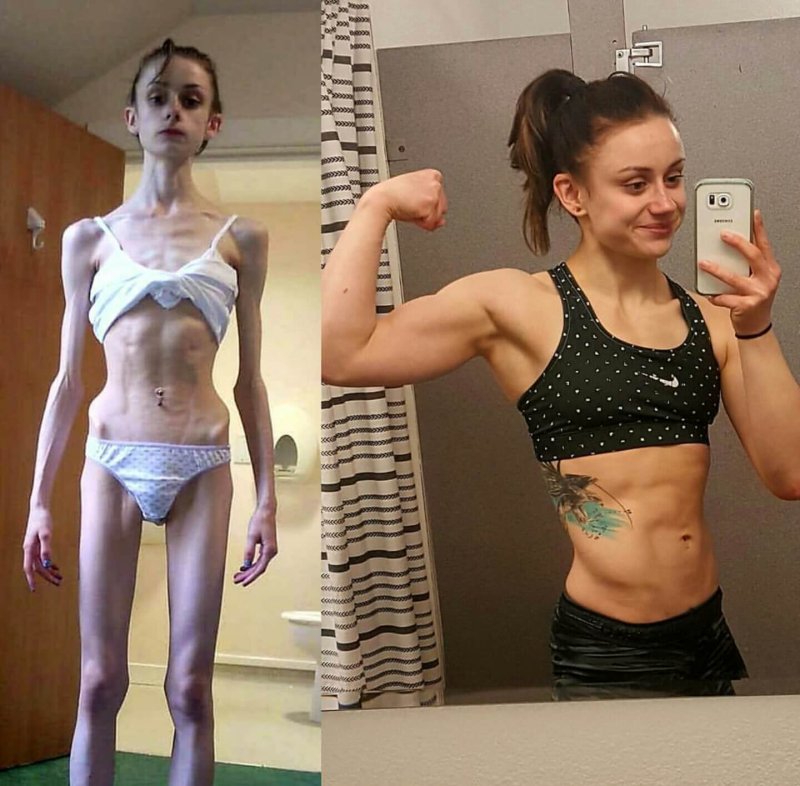
While more and more people have come to understand that eating disorders are diseases of the brain, there’s still a widespread belief that people with these devastating conditions are vain, attention-seeking, or lacking in will power. But a paper just published in Plos One makes it clear that this isn’t true. The study evaluated the genomes of 95 individuals with diagnosed eating disorders and identified 430 genes, clustered into two large groups, that are more likely to be damaged than in people without those disorders.
[A] growing body of research shows that eating disorders are powerful, biologically-driven illnesses. The new study supports previous findings that the risk of developing an eating disorder is 50-80 per cent genetic—that patients have inherited damaged copies of genes that increase their risk of developing disordered eating.…

Failure to understand the underlying causes of eating disorders creates stigma, making it less likely for those who struggle to get treatment. People with any medical condition deserve support and access to the best treatment. Someone with cancer wouldn’t be denied treatment for their illness. Likewise, patients with eating disorders shouldn’t feel guilty about their illness and they should have access to safe, effective treatment.
The GLP aggregated and excerpted this blog/article to reflect the diversity of news, opinion, and analysis. Read full, original post: The Genetics of Eating Disorders