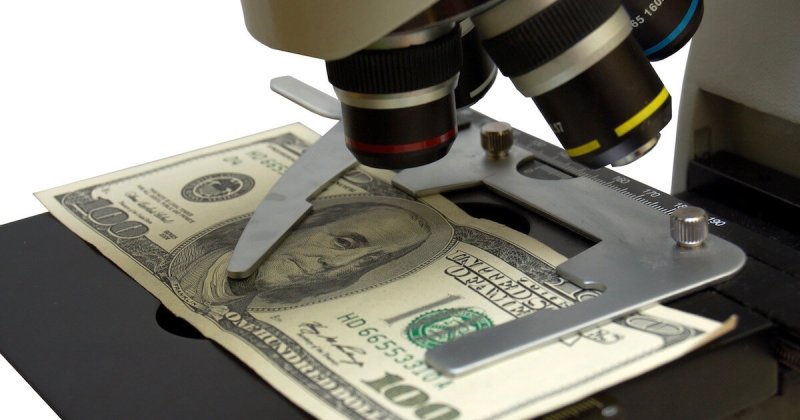
Is scientific neutrality being lost to commercialism?

money for science research

In the past few decades, the life sciences have been transformed into gigantic bio-technosciences, blurring the boundaries between science and technology, universities, entrepreneurial biotech companies, and Big Pharma. Knowledge has become intellectual property.

The loss of scientific neutrality has become a much-discussed problem in the leading scientific journals. Commercial secrets cannot be shared. Researchers have been prosecuted for transferring biological samples from one academic laboratory to another. PhD students can work for months on a project only to stall as they run into a patent. Competition has weakened the co‑operative values of the academic research community. Refereeing research papers and grant applications, for example, presents new difficulties. How can neutrality be maintained when the commercial interests of the referee might conflict with those of the scientist being assessed?

Today, intellectual property undermines communalism. Universalism has come under siege by what have been variously termed the new social justice and the new identity movements. Disinterestedness, as well, can no longer be guaranteed. Only organised scepticism remains; but with so much of technoscience shrouded by industrial secrecy (such that data cannot be shared and discussed openly), and with Big Pharma suppressing negative data from its drugs trials, this too is constrained.

The GLP aggregated and excerpted this blog/article to reflect the diversity of news, opinion, and analysis. Read full, original post: Prometheus Inc — Biotechnology and other life sciences promise to transform our health, identity, even our brains. Should we be worried?


{{ reviewsTotal }}{{ options.labels.singularReviewCountLabel }}
{{ reviewsTotal }}{{ options.labels.pluralReviewCountLabel }}
{{ options.labels.newReviewButton }}
{{ userData.canReview.message }}

Related Articles

Infographic: Global regulatory and health research agencies on whether glyphosate causes cancer

Infographic: Global regulatory and health research agencies on whether glyphosate causes cancer

Does glyphosate—the world's most heavily-used herbicide—pose serious harm to humans? Is it carcinogenic? Those issues are of both legal and ...

Most Popular

ChatGPT-Image-Mar-10-2026-01_39_01-PM
Viewpoint—“Miracle molecule” debunked: Why acemannan supplements don’t work
afb-a-b
As the EU loosens restrictions on agricultural gene editing, it remains years behind the rest of the world on equally-safe GMO foods
ChatGPT-Image-Jul-8-2026-12_32_48-PM
Viewpoint: SCOTUS strikes a blow against junk science in Bayer glyphosate case. Will it deter mass tort litigators?
Screenshot-2026-07-10-at-2.02.54-PM
Viewpoint: In abortion-restricting Florida, misinformation abounds when Republican congresswoman faces an ectopic pregnancy
ChatGPT-Image-Jul-7-2026-01_57_55-PM
Viewpoint: Europe’s rejection of air conditioning is the poster child for misunderstanding how to mitigate the impact of climate change
Screenshot-2026-07-10-at-3.10.50-PM
Snake-oil cures throughout history
ChatGPT-Image-Jun-25-2026-12_23_17-PM
No, Bill Gates did not secretly engineer ticks to promote veganism
Screenshot-2026-07-10-at-3.25.10-PM
Using AI for health questions? Here are 4 tips for the most accurate answers.
Screen-Shot-at-PM-pe-vra-kipgaprbdo-vd-ms-jpule-n-jqqaxf-l-e
Viewpoint: Will new breeding techniques help make European agriculture more competitive?
Screenshot-2026-07-10-at-12.55.21-PM
Cancer health facts are particularly susceptible to online misinformation
ChatGPT-Image-Jul-1-2026-03_33_49-PM
‘Alternative’ cancer treatments that could kill you
Screenshot-2026-07-08-at-11.25.14-AM
AI being mobilized to target misinformation about vaccines–on AI
glp menu logo outlined

Get news on human & agricultural genetics and biotechnology delivered to your inbox.