Thousands of human genomes have been collected by research institutions around the world in recent years, as they attempt to find genetic factors involved in certain diseases. The NHS’ 100,000 Genomes Project, are one of many, where the volunteers are promised anonymity. This new study led by Dr. Craig Venter, shows this as a ‘false promise’.
…
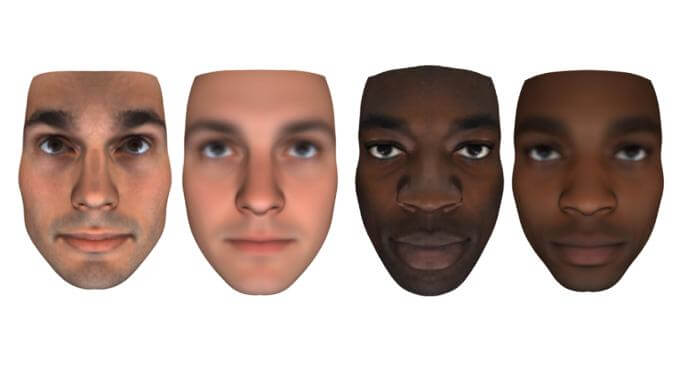
Using an algorithm, the research team from Human Longevity were able to construct a ‘genetic mugshot’ by linking people’s genetic information to their facial features. When analysing a sample of ten people from different races, the team were able to match headshots with the correct genome with 80 percent accuracy.
…

“People need to understand these issues, and not be made these false promises that they will be kept secret”, [Venter] said. Genetic code can eventually be used to interpret more about personality and brain types, according to Venter. Using that kind of information, one could be able to figure out individual’s traits, which could eventually lead to business opportunities. “Just like Google and others now sell advertising to you based on what is in your searches and emails, you could get adverts targeted to you based on what’s in your genome.”
The GLP aggregated and excerpted this blog/article to reflect the diversity of news, opinion, and analysis. Read full, original post: Craig Venter: Anonymity of DNA Donors is a “False Promise”