Viewpoint: Do neonic traces found in world honey pose problems to bees or humans?

gettyimages

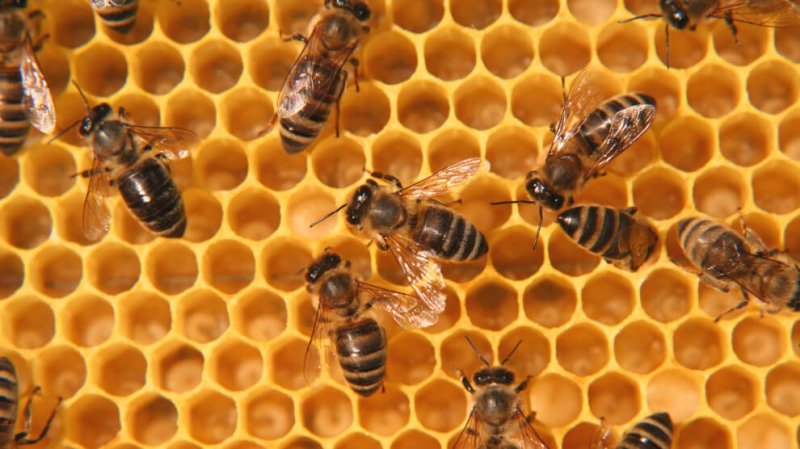
The last taste of honey you enjoyed likely came from bees exposed to neonicotinoids, the worldโ€™s most widely used class of insecticides.

Thatโ€™s the takeaway from a paper, published in the journal Science, by a team of Swiss researchers. They found traces of the bug-killing chemicals in 75 percent of honey samples drawn from around the worldโ€”and 86 percent of the samples from North America.

For human honey eaters, thereโ€™s probably nothing to worry about. The authors report that in all of the tested samples, the levels found were โ€œbelow the admissible limits for human consumption according to current EU and U.S. regulations.โ€

The Swiss team notes that the chemicals turned up in honey at an average concentration level of 1.8 nanograms per gram; and that ill effects from exposure to them have been documented at levels as low as 0.1 nanograms per gram. Nearly half of all the honey samples they tested carried neonics at that concentration or higher.

Neonics are produced primarily by the Swiss/Chinese agrichemical titan Syngenta and its German rival Bayer, which is currently in the process of merging with Monsanto. The companies vigorously deny that their blockbuster insect-killers do any harm to bees and other pollinators, but research to the contrary is piling up.

The GLP aggregated and excerpted this article to reflect the diversity of news, opinion and analysis. Read full, original post: Scientists Found a Gnarly Pesticide in 75 Percent of Global Honey Samples


{{ reviewsTotal }}{{ options.labels.singularReviewCountLabel }}
{{ reviewsTotal }}{{ options.labels.pluralReviewCountLabel }}
{{ options.labels.newReviewButton }}
{{ userData.canReview.message }}

Related Articles

Infographic: Global regulatory and health research agencies on whether glyphosate causes cancer

Infographic: Global regulatory and health research agencies on whether glyphosate causes cancer

Does glyphosateโ€”the world's most heavily-used herbicideโ€”pose serious harm to humans? Is it carcinogenic? Those issues are of both legal and ...

Most Popular

Screenshot-2026-05-01-at-1.29.41-PM
Viewpoint: What happens when whole grains meet modern food manufacturing? Labels donโ€™t tell the whole story.
S
As vaccine rejectionism spreads, measles may be taking a more dangerous turn
ChatGPT-Image-Mar-27-2026-11_47_30-AM-2
FDAโ€™s expedited drug reviews are hailed in some quarters but other approval practices are problematic
Farmers can talk to plants
Farmers are a major source of misinformationโ€”about farming
Screenshot-2026-04-20-at-2.26.27-PM
Viewpoint โ€” Food-fear world: The latest activist scientists campaign: Cancer-causing additives
Screenshot 2026-05-06 at 2.56
Singularity crisis ahead? Can super babies save us from rogue AI geniuses?
Screenshot-2026-04-30-at-2.19.37-PM
5 myths about summer dehydration that could damage your health โ€” or even kill you
Screenshot-2026-05-06-at-2.07.43-PM
Manufacturing a conspiracy: The timeline of howย  the White House embraced the fringe claim that scientists are being mysteriously murdered
Screenshot 2026-05-06 at 2.19
Vaccine shootout at the CDCย 
Screenshot-2026-03-13-at-12.14.04-PM
The FDA wants to make many popular prescription drugs OTCโ€”a great idea. Hereโ€™s why itโ€™s unlikely to happen
Screenshot-2026-04-12-135256
Bixonimania: The fake disease scam that AI swallowed whole
glp menu logo outlined

Get news on human & agricultural genetics and biotechnology delivered to your inbox.