Nutrigenomics v Nutrigenetics: Using gene-diet interactions to tailor personal health regimens

diets

[Editor’s note: Carrie Dennett, MPH, RDN, CD, is the nutrition columnist for The Seattle Times and speaks frequently on nutrition-related topics]

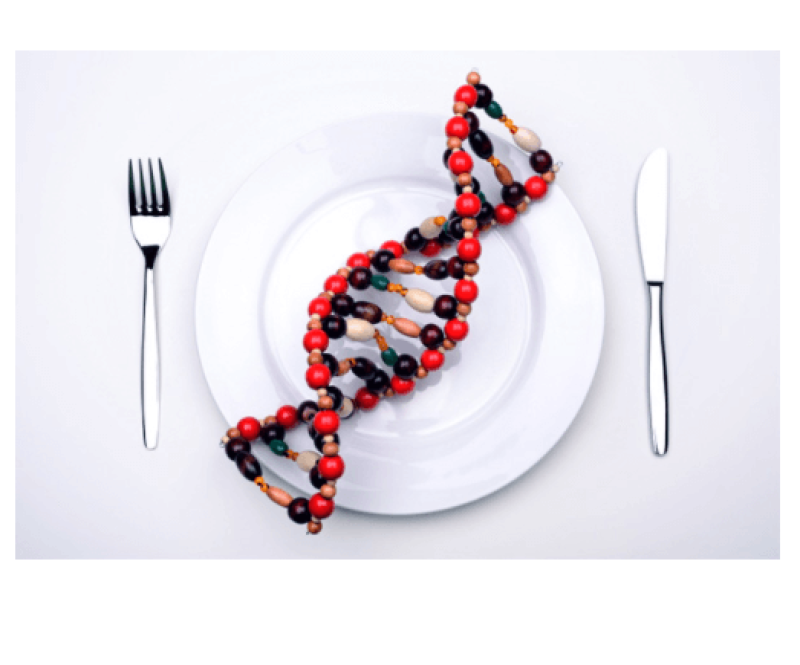
Nutrigenomics and nutrigenetics fall under the umbrella of nutritional genomics—so what’s the difference between the two? Both study how individual genetic makeup contributes to observed differences in response to diet and how that gene-diet interaction contributes to predisposition to disease. Nutrigenomics goes deeper, using molecular tools to identify how nutrients and bioactive food compounds alter the DNA transcription and translation process, affecting the expression of genes that regulate critical metabolic pathways, which may ultimately affect health outcomes.

CVD, type 2 diabetes, and obesity are major public health focus areas. Accordingly, they’re also points of focus for nutrigenomic research. Many cellular functions related to energy balance are regulated by gene expression and gene-environment interactions. Genetic variation may affect appetite, calorie intake, and macronutrient preference as well as insulin signaling, inflammation, adipogenesis (the formation of fat cells), and lipid metabolism This means that the individual variation seen in body weight and composition likely is influenced by genetic makeup as well as diet and activity patterns.

As technology improves, large meta-analyses are making it possible to examine the interactions between millions of SNPs, dietary factors, and specific phenotypes

The GLP aggregated and excerpted this article to reflect the diversity of news, opinion and analysis. Read full, original post: The Future of Nutrigenomics


{{ reviewsTotal }}{{ options.labels.singularReviewCountLabel }}
{{ reviewsTotal }}{{ options.labels.pluralReviewCountLabel }}
{{ options.labels.newReviewButton }}
{{ userData.canReview.message }}

Related Articles

Infographic: Global regulatory and health research agencies on whether glyphosate causes cancer

Infographic: Global regulatory and health research agencies on whether glyphosate causes cancer

Does glyphosate—the world's most heavily-used herbicide—pose serious harm to humans? Is it carcinogenic? Those issues are of both legal and ...

Most Popular

Screenshot-2026-05-01-at-1.29.41-PM
Viewpoint: What happens when whole grains meet modern food manufacturing? Labels don’t tell the whole story.
S
As vaccine rejectionism spreads, measles may be taking a more dangerous turn
Screenshot 2026-05-06 at 2.56
Singularity crisis ahead? Can super babies save us from rogue AI geniuses?
Screenshot-2026-05-06-at-2.07.43-PM
Manufacturing a conspiracy: The timeline of how  the White House embraced the fringe claim that scientists are being mysteriously murdered
Screenshot-2026-04-20-at-2.26.27-PM
Viewpoint — Food-fear world: The latest activist scientists campaign: Cancer-causing additives
Screenshot-2026-04-30-at-2.19.37-PM
5 myths about summer dehydration that could damage your health — or even kill you
Screenshot-2026-03-13-at-12.14.04-PM
The FDA wants to make many popular prescription drugs OTC—a great idea. Here’s why it’s unlikely to happen
Screenshot-2026-04-12-135256
Bixonimania: The fake disease scam that AI swallowed whole
ChatGPT-Image-May-6-2026-03_41_05-PM
‘Protecting the integrity of science’: Kennedy’s FDA blocks release of taxpayer-funded studies finding COVID and shingles vaccines safe
Screenshot-2026-04-03-at-11.15.51-AM
Paraben panic: How a flawed study, media hype, and chemophobia convinced the public of the danger of one of the safest classes of preservatives
glp menu logo outlined

Get news on human & agricultural genetics and biotechnology delivered to your inbox.