NGO opposition to GMO, gene-edited crops not rooted in emotion and dogma, research suggests

Screen Shot at AM

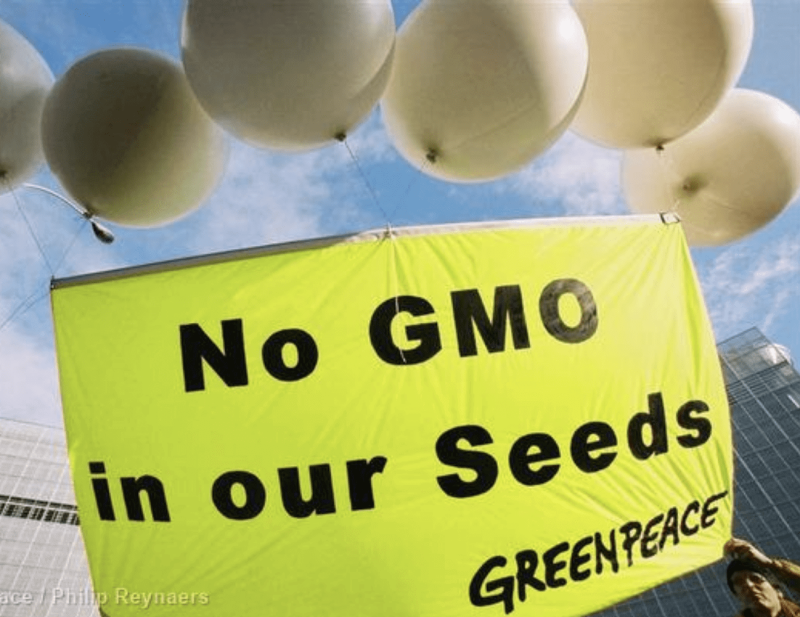
In 2016, 107 Nobel Laureates signed an open letter calling on Greenpeace to desist from campaigning against agricultural biotechnology and for governments to reject and resist such campaigning, arguing that “[o]pposition based on emotion and dogma contradicted by data must be stopped”. The letter marked the latest chapter in a long-running, heated and apparently intractable debate around agricultural biotechnology. Yet, while the arguments by Greenpeace and other non-governmental organisations (NGOs) against agricultural biotechnology are frequently dismissed as based on emotion and dogma, their opposition is often grounded on more general scepticisms concerning the framing of the problem and its solutions, and the motivations of actors to employ biotechnology in agriculture.

Our research suggests that opposition to agricultural biotechnology cannot be dismissed as being solely emotional or dogmatic as the Noble Laureate Letter contends. Instead, NGO participants’ opposition to genome editing is rooted in three areas of scepticism: how the problem is defined as a lack of food rather than a lack of access to food, and the urgency of this crisis which closes down alternative solutions; the solutions, particularly whether further entrenching intensive agriculture through science and technology can address political and socio-economic inequalities; and the motivations for removing genome editing from GM regulations.

The GLP aggregated and excerpted this blog/article to reflect the diversity of news, opinion, and analysis. Read full, original post: Why are NGOs sceptical of genome editing?

{{ reviewsTotal }}{{ options.labels.singularReviewCountLabel }}
{{ reviewsTotal }}{{ options.labels.pluralReviewCountLabel }}
{{ options.labels.newReviewButton }}
{{ userData.canReview.message }}

Related Articles

Infographic: Global regulatory and health research agencies on whether glyphosate causes cancer

Infographic: Global regulatory and health research agencies on whether glyphosate causes cancer

Does glyphosate—the world's most heavily-used herbicide—pose serious harm to humans? Is it carcinogenic? Those issues are of both legal and ...

Most Popular

Screenshot-2026-04-22-at-12.21.32-PM
Viewpoint: Why the retracted Monsanto glyphosate study doesn’t change the science—the world’s most popular herbicide is safe 
Picture1
The FDA couldn’t find a vaccine safety crisis, so it buried its own research
ChatGPT-Image-May-1-2026-11_42_59-AM-2
Viewpoint: NAD is the wellness grifters latest evidence-lite longevity fad. At least the mice are impressed.
ChatGPT-Image-Apr-16-2026-02_56_53-PM
Financial incentives, over diagnosis, and weak oversight: Autism claims are driving up Medicare costs
global warming
‘Implausible’: Top climate scientists reject worst-case scenario—soaring temperatures and fast-rising sea levels
Screenshot-2026-05-21-at-12.15.17-PM
UK gene-editing milestone: Livestock barley that increases ruminant value and reduces methane emissions is first-approved CRISPR crop
Screenshot-2026-05-21-at-3.15.53-PM
Chiropractors may no longer be modern-day snake oil salesmen, but the benefits of their therapy are limited–at best

Sorry. No data so far.

glp menu logo outlined

Get news on human & agricultural genetics and biotechnology delivered to your inbox.