Viewpoint: Preaching to the choir won’t win over GMO skeptics

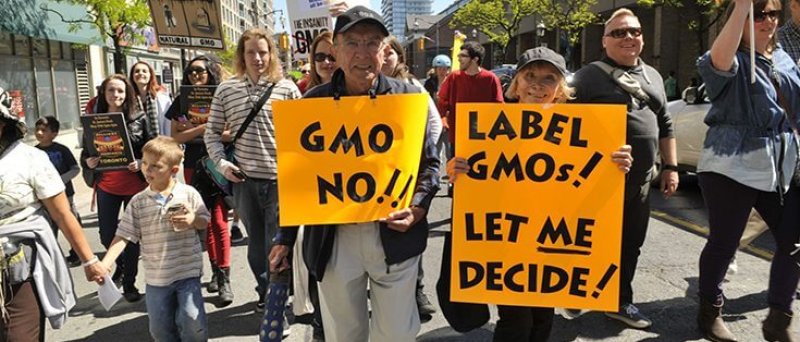
gmo protesters signs x

Editor’s note: Robert Arnason is an agriculture journalist.

In 2017 I interviewed about 800 to 1,200 people about agriculture, agronomy, science and food.

Looking back at the responses, to probably more than 3,000 questions, one comment stands above the rest.

It came from Kevin Folta, professor and chair of the University of Florida horticultural sciences department and a well-known science communicator. Folta frequently talks about genetically modified foods and other tools of modern agriculture.

During our interview, I asked what he’s learned from hundreds of speeches and hundreds of hours spent on social media, talking to the public about GM technology and pesticides.

“It only took me 12 years, of really working hard to share science and give people facts, to realize that it wasn’t working,” he said. “I was able to preach to the choir. That worked great. The choir was happy … but I wasn’t reaching the people who were just concerned. The people in the middle who didn’t know, one way or the other.”

Folta’s comment reinforced what I’ve heard from other plant scientists and advocates of modern agriculture. Emphasizing “the science” to explain the safety of GM foods, pesticides or growth hormones in beef cattle is pretty much useless.

Having the science in your back pocket is necessary but it should stay there until you’ve established a relationship, emotional connection or common ground with the listener.

Read full, original post: Eating organic kale is about status

{{ reviewsTotal }}{{ options.labels.singularReviewCountLabel }}
{{ reviewsTotal }}{{ options.labels.pluralReviewCountLabel }}
{{ options.labels.newReviewButton }}
{{ userData.canReview.message }}

Related Articles

Infographic: Global regulatory and health research agencies on whether glyphosate causes cancer

Infographic: Global regulatory and health research agencies on whether glyphosate causes cancer

Does glyphosate—the world's most heavily-used herbicide—pose serious harm to humans? Is it carcinogenic? Those issues are of both legal and ...

Most Popular

Screenshot-2026-05-01-at-1.29.41-PM
Viewpoint: What happens when whole grains meet modern food manufacturing? Labels don’t tell the whole story.
S
As vaccine rejectionism spreads, measles may be taking a more dangerous turn
ChatGPT-Image-Mar-27-2026-11_47_30-AM-2
FDA’s expedited drug reviews are hailed in some quarters but other approval practices are problematic
Farmers can talk to plants
Farmers are a major source of misinformation—about farming
Screenshot-2026-04-20-at-2.26.27-PM
Viewpoint — Food-fear world: The latest activist scientists campaign: Cancer-causing additives
Screenshot 2026-05-06 at 2.56
Singularity crisis ahead? Can super babies save us from rogue AI geniuses?
Screenshot-2026-04-30-at-2.19.37-PM
5 myths about summer dehydration that could damage your health — or even kill you
Screenshot-2026-05-06-at-2.07.43-PM
Manufacturing a conspiracy: The timeline of how  the White House embraced the fringe claim that scientists are being mysteriously murdered
Screenshot 2026-05-06 at 2.19
Vaccine shootout at the CDC 
Screenshot-2026-03-13-at-12.14.04-PM
The FDA wants to make many popular prescription drugs OTC—a great idea. Here’s why it’s unlikely to happen
glp menu logo outlined

Get news on human & agricultural genetics and biotechnology delivered to your inbox.