CRISPR could be the answer to genetic engineering’s prayers

genetic engineering on humans x

Since its introduction four decades ago, genetic engineering has been a source of high hopes for health, agriculture, and industry. But it has also provoked deep anxiety, not least owing to the laborious nature of the genome-editing process. Now, a new technique, CRISPR-Cas, offers both precision and the ability to modify the genome text at several places simultaneously. But this has not eliminated reason for concern.

[A] cell that reproduces a virus, whether useless or harmful, [has] to develop some way to resist it. And, in fact, it was in this manner – as a bacteria’s defense against invading viruses – that the CRISPR-Cas process first emerged.

[S]cientists have figured out how to replicate the process [of viral infection], enabling humans to edit, with the utmost precision, specific genomes – the Holy Grail of genetic engineering for nearly 50 years.

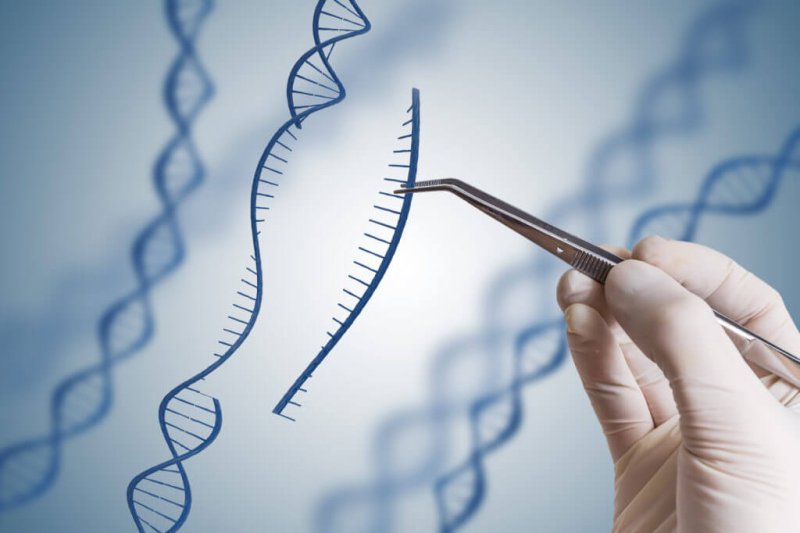
This means that scientists can apply the CRISPR-Cas mechanism to correct problems in the genome – the equivalent of typos in a written text. For example, in the case of cancer, we would want to destroy those genes that allow the multiplication of tumor cells. We are also interested in introducing genes in cells that never gained them by natural genetic transfer.

There is nothing new about these objectives. But, with CRISPR-Cas, we are far better equipped to achieve them.

Read full, original post: CRISPR-Cas: Genetic engineering’s Holy Grail

{{ reviewsTotal }}{{ options.labels.singularReviewCountLabel }}
{{ reviewsTotal }}{{ options.labels.pluralReviewCountLabel }}
{{ options.labels.newReviewButton }}
{{ userData.canReview.message }}

Related Articles

Infographic: Global regulatory and health research agencies on whether glyphosate causes cancer

Infographic: Global regulatory and health research agencies on whether glyphosate causes cancer

Does glyphosate—the world's most heavily-used herbicide—pose serious harm to humans? Is it carcinogenic? Those issues are of both legal and ...

Most Popular

Screenshot-2026-04-22-at-12.21.32-PM
Viewpoint: Why the retracted Monsanto glyphosate study doesn’t change the science—the world’s most popular herbicide is safe 
Picture1
The FDA couldn’t find a vaccine safety crisis, so it buried its own research
ChatGPT-Image-May-1-2026-11_42_59-AM-2
Viewpoint: NAD is the wellness grifters latest evidence-lite longevity fad. At least the mice are impressed.
global warming
‘Implausible’: Top climate scientists reject worst-case scenario—soaring temperatures and fast-rising sea levels
Screenshot-2026-05-21-at-12.15.17-PM
UK gene-editing milestone: Livestock barley that increases ruminant value and reduces methane emissions is first-approved CRISPR crop
ChatGPT-Image-Apr-16-2026-02_56_53-PM
Financial incentives, over diagnosis, and weak oversight: Autism claims are driving up Medicare costs
vax-misinformation-main
Facts & Fallacies Podcast: Limit free speech to blunt social media misinfo?
Screenshot-2026-05-21-at-3.15.53-PM
Chiropractors may no longer be modern-day snake oil salesmen, but the benefits of their therapy are limited–at best
ChatGPT-Image-May-12-2026-11_27_01-AM-2
AI likely to improve health care, research shows—but not for blacks and ethnic minorities
red-meat-cancer-connection-1030x749
Meat sits atop the U.S.-RFK, Jr. food pyramid. How healthy is the carnivore diet?
glp menu logo outlined

Get news on human & agricultural genetics and biotechnology delivered to your inbox.