Viewpoint: We can’t afford to let ethical questions blunt the potential of CRISPR gene editing

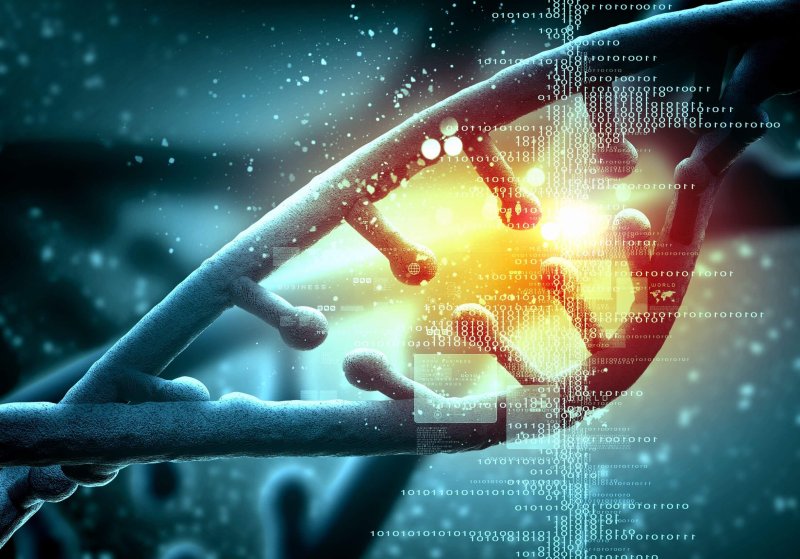
CRISPR dna editing

With CRISPR, there is no doubt that there are multiple very concerning implications to the technology.

Should humans actually alter their genetic code to introduce preferential attributes? Should parents be allowed to dictate what their children look like? And, perhaps most pressing of all, should we be altering our own evolutionary path in this extreme way?

All of those ethical questions will have to be decided upon much further down the line and a large amount of regulation will have to make sure, if we do allow any of these things, that they can be safely controlled.

However, that potential of CRISPR aside, the immediately pressing issue is the amount of fatal and life altering conditions that CRISPR might be able to stop.
When it comes to cancers, hereditary diseases, viral infections and rare genetic diseases for instance there are many that are incurable and highly fatal. In the case of cancer alone, despite surgeries and therapies, it is very difficult to stop, aggressive and people are contracting it at increasing rates.

CRISPR could be the technology with which we can fight multiple problems and any worries about the longer term ethical questions of playing god with our DNA, should not stop research from progressing in the pursuit of solutions to deal with these fatal diseases.

Read full, original post: Through CRISPR gene editing we can (and should) change the nature of our species

{{ reviewsTotal }}{{ options.labels.singularReviewCountLabel }}
{{ reviewsTotal }}{{ options.labels.pluralReviewCountLabel }}
{{ options.labels.newReviewButton }}
{{ userData.canReview.message }}

Related Articles

Infographic: Global regulatory and health research agencies on whether glyphosate causes cancer

Infographic: Global regulatory and health research agencies on whether glyphosate causes cancer

Does glyphosate—the world's most heavily-used herbicide—pose serious harm to humans? Is it carcinogenic? Those issues are of both legal and ...

Most Popular

Screenshot-2026-05-01-at-11.56.24-AM
‘Science moves forward when people are willing to think differently’: Memories of DNA maverick Craig Venter
Screenshot-2026-04-03-at-11.15.51-AM
Paraben panic: How a flawed study, media hype, and chemophobia convinced the public of the danger of one of the safest classes of preservatives
79d03212-2508-45d0-b427-8e9743ff6432
Viewpoint: The Casey Means hustle—Wellness woo opportunism dressed up as medical wisdom
ChatGPT-Image-Apr-30-2026-12_21_05-PM-2
The tech billionaires behind the immortality movement
Screenshot-PM-24
Viewpoint: The herbicide glyphosate isn’t perfect. Banning it would be far worse.
ChatGPT-Image-Mar-27-2026-11_27_05-AM
The myths of “process”: What science says about the “dangers’ of synthetic products and ultra-processed foods
ChatGPT-Image-Mar-10-2026-01_39_01-PM
Viewpoint—“Miracle molecule” debunked: Why acemannan supplements don’t work
Drinking lots of water can help reduce the effects of aging
Nanoplastics in drinking water: MAHA activists forge science-based bipartisan coalition 
ChatGPT-Image-Mar-3-2026-01_17_14-PM
MAHA wellness influencers deride proven anxiety medications, tout lifestyle fixes
ChatGPT-Image-May-1-2026-02_20_13-PM
How RFK, Jr.’s false vaccine claims are holding up $600 million to fight diseases in poor countries
Screenshot-2026-04-20-at-2.26.27-PM
Viewpoint — Food-fear world: The latest activist scientists campaign: Cancer-causing additives
glp menu logo outlined

Get news on human & agricultural genetics and biotechnology delivered to your inbox.