Report: ‘Little doubt’ GMOs increase crop yields

cornharvestdfp

Editor’s note: Gary Brester is a professor of agricultural economics at Montana State University

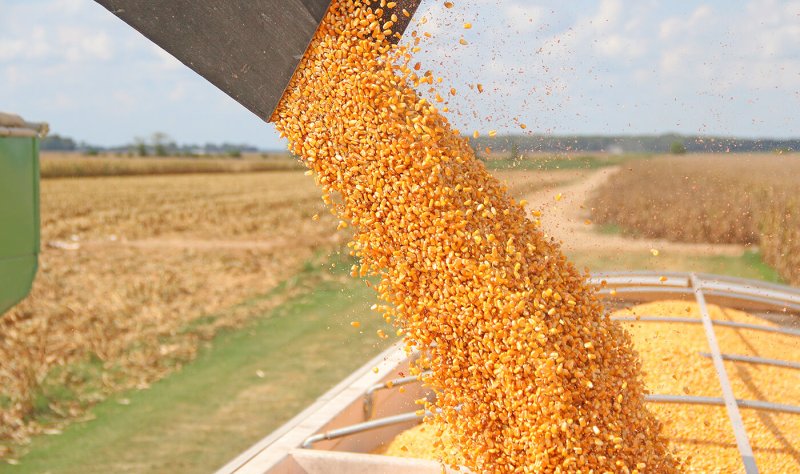
Some have questioned whether GM crops have been responsible for increased crop yields. Comparing US yields to European Union yields (where GM crops are banned) provides evidence that GM technologies have increased crop yields…Banning yield-enhancing technologies means that food crop production will be lower than would otherwise be the case, and more water, land, and other inputs will be needed to increase global food production.

A recent New York Times article by Danny Hakim titled “Doubts About the Promised Bounty of Genetically Modified Crops” discussed the impact of GM crops in the United States and Canada by comparing crop yield outcomes in those countries with outcomes in the European Union, which has banned GM technologies. Hakim asserts that although the United States has been using GM crops for two decades, yield trends between the two regions have not changed. Several other reports appear to echo similar concerns about an apparent lack of GM technology benefits. However, those assertions run counter to research that indicates GM technologies can increase yields through increased plant populations and reduced rotational impacts at the lower end of yield distributions, as well as improved pest control.

Screen Shot at PM

Read full, original post: There Is “Little Doubt” About the Promised Bounty of Genetically Modified Crops


{{ reviewsTotal }}{{ options.labels.singularReviewCountLabel }}
{{ reviewsTotal }}{{ options.labels.pluralReviewCountLabel }}
{{ options.labels.newReviewButton }}
{{ userData.canReview.message }}

Related Articles

Infographic: Global regulatory and health research agencies on whether glyphosate causes cancer

Infographic: Global regulatory and health research agencies on whether glyphosate causes cancer

Does glyphosate—the world's most heavily-used herbicide—pose serious harm to humans? Is it carcinogenic? Those issues are of both legal and ...

Most Popular

Screenshot-2026-03-13-at-12.14.04-PM
The FDA wants to make many popular prescription drugs OTC—a great idea. Here’s why it’s unlikely to happen
Screenshot-2026-05-04-at-12.54.32-PM
How Utah became the country’s supplement capital  — and a haven for unregulated, ineffective and fake products
Screenshot-2026-04-20-at-2.26.27-PM
Viewpoint — Food-fear world: The latest activist scientists campaign: Cancer-causing additives
Screenshot-PM-24
Viewpoint: The herbicide glyphosate isn’t perfect. Banning it would be far worse.
images
The never-ending GMO debate: Pros and cons
Screenshot-2026-05-01-at-11.56.24-AM
‘Science moves forward when people are willing to think differently’: Memories of DNA maverick Craig Venter
Screenshot-2026-04-03-at-11.15.51-AM
Paraben panic: How a flawed study, media hype, and chemophobia convinced the public of the danger of one of the safest classes of preservatives
Screenshot-2026-04-30-at-2.19.37-PM
5 myths about summer dehydration that could damage your health — or even kill you
ChatGPT-Image-May-1-2026-02_20_13-PM
How RFK, Jr.’s false vaccine claims are holding up $600 million to fight diseases in poor countries
bigstock opioids on chalkboard with rol
GLP podcast: 'Safe injection sites': enabling drug addiction or saving lives?
glp menu logo outlined

Get news on human & agricultural genetics and biotechnology delivered to your inbox.