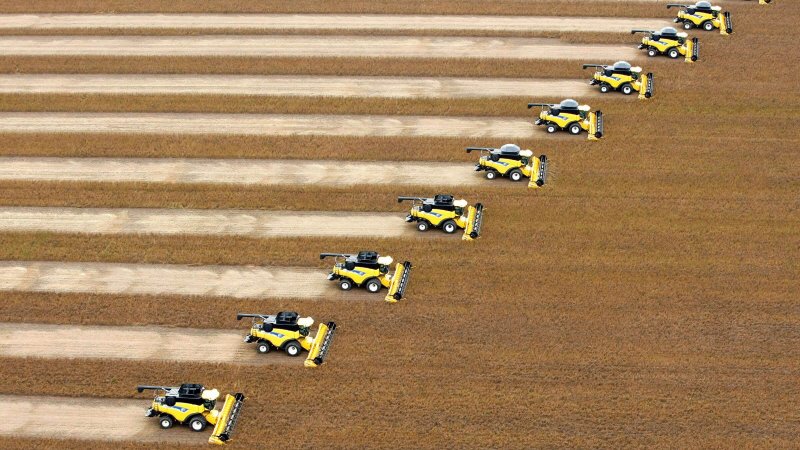

U.S. soybean growers are losing market share in the all-important China market because the race to grow higher-yielding crops has robbed their most prized nutrient: protein.
Declining protein levels make soybeans less valuable to the $400 billion industry that produces feed for cattle, pigs, chickens and fish. And the problem is a key factor driving soybean buyers from the U.S. to Brazil, where warmer weather helps offset the impact of higher crop yields on protein levels.
…
Seed developers have had great success boosting yields through traditional breeding methods and genetic engineering to make crops use less water, tolerate weed killers and grow better in colder or drier climates. But they have yet to crack the genetic code that would raise protein content without hurting yield, seed breeders said.
…
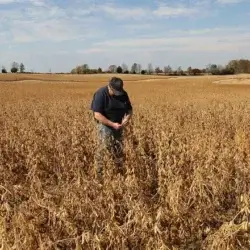
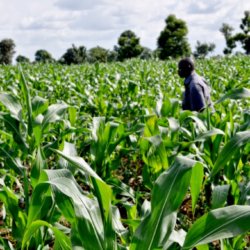


Brazilian soybean producers use the same genetically modified seeds as their U.S. counterparts, and have also seen a reduction in protein content.
But Brazilian growers retain an crucial edge in protein thanks to warmer weather and longer days. The nation’s soybeans contain 37 percent protein on average, according to data from Embrapa, the government’s agriculture research agency.
That compares to 34.1 percent for U.S. crops in 2017 – a record low, according to the U.S. Soybean Export Council.
Read full, original post: Protein plight: Brazil steals U.S. soybean share in China