Will South American powerhouses Brazil and Argentina regulate new breeding techniques (NBTs) as GMOs?

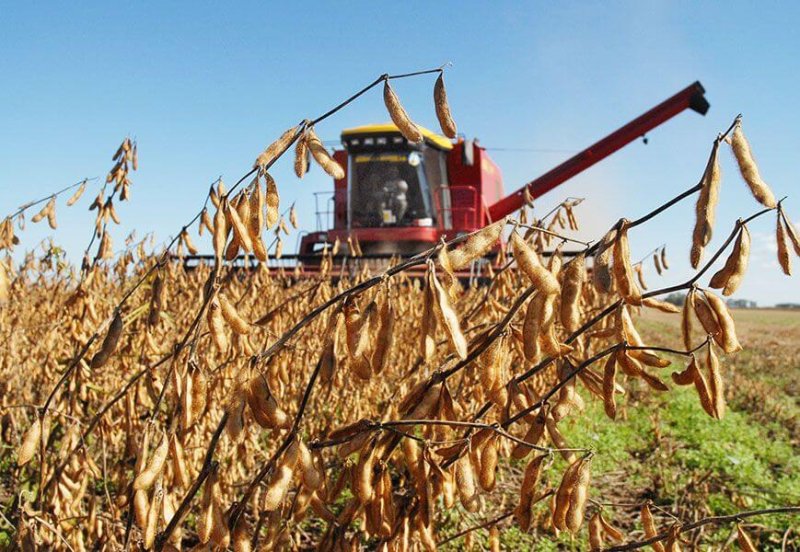
soybean brazil

New breeding techniques, or “NBTs” as they have come to be known, are a set of innovative tools that can have remarkable impacts in the fields of animal and plant science. They equip scientists with more precision and thus can allow more efficient and effective impacts when tackling emerging environmental and food security problems.

The world’s governments have different opinions on how to approach the issue and their legislative bodies are starting to come forward with possible solutions.

[Argentina’s resolution number 173/2015] establishes a case by case assessment, through a simplified procedure in which applicants can request the corresponding administrative authority to determine if a product falls under the category of a GMO or not.

Brazil has also taken a major step in this direction with the new Normative Resolution 16 (NR 16). It establishes the requirements for a consultation on whether a product can be exempt from the GMO regulatory framework. Thus in some cases the full risk assessment and management for GMOs must be applied, while in other cases products deriving from NBTs and innovative precision improvements can be exempt.

The recent actions taken by Argentina and Brazil set an example for how to use detailed concepts, scientific peer review data and sound technical advice to regulate NBTs and ensure that policymakers are not shackled by rules that were developed for different procedures.

Read full, original post: Argentina and Brazil merge law and science to regulate new breeding techniques

{{ reviewsTotal }}{{ options.labels.singularReviewCountLabel }}
{{ reviewsTotal }}{{ options.labels.pluralReviewCountLabel }}
{{ options.labels.newReviewButton }}
{{ userData.canReview.message }}

Related Articles

Infographic: Global regulatory and health research agencies on whether glyphosate causes cancer

Infographic: Global regulatory and health research agencies on whether glyphosate causes cancer

Does glyphosate—the world's most heavily-used herbicide—pose serious harm to humans? Is it carcinogenic? Those issues are of both legal and ...

Most Popular

ChatGPT-Image-Apr-20-2026-11_17_18-AM-2
10,000 scientists gone: Trump’s cuts create an unprecedented brain drain
ChatGPT-Image-Apr-22-2026-04_31_20-PM
‘Irresponsible decision’? On mandatory military flu shots, Hegseth chooses ‘freedom’ over health
Screenshot-2026-04-15-at-1.22.58-PM
Anti-biotechnology activists smear hybrid wheat breakthrough that could surge yields in poorer countries
Screenshot-2026-04-22-at-4.10.32-PM
Viewpoint — ‘Completely unethical’: RFK, Jr.’s medical ignorance deprives melanoma cancer-sufferers of a life-saving therapy
ChatGPT-Image-Apr-20-2026-12_28_36-PM
Vaccine skepticism is a growing global problem
ChatGPT-Image-Apr-17-2026-03_30_52-PM
Food labels, decoded: What they really mean
ChatGPT-Image-Apr-21-2026-11_30_48-AM
Stupid study of the month: Eating fresh fruits and vegetables can lead to cancer
images
The never-ending GMO debate: Pros and cons
ChatGPT-Image-Mar-11-2026-11_58_46-AM
The Trump administration has run out more than 4,000 National Institutes of Health employees. Here are the consequences
ChatGPT-Image-Mar-2-2026-03_22_54-PM
Why ‘support supplements’ for GLP-1 users are mostly a waste of money
Screenshot-2026-04-20-at-3.34.46-PM
Viewpoint: How do you sell evidence-based health and science in a world where facts don’t matter?
Screenshot-2026-04-12-135256
Bixonimania: The fake disease scam that AI swallowed whole
glp menu logo outlined

Get news on human & agricultural genetics and biotechnology delivered to your inbox.