4 CRISPR gene-edited foods coming soon to a grocery store near you

banana extinction

Genetic researchers working with gene editing, along with farmers and growers, are excited about the potential for CRISPR technology to expedite solutions to a wide array of pressing concerns including climate change, malnutrition and population growth. Existing food crops can be modified to increase yields and drought and pest resistance, and improve nutrient proles.

ANTIBROWNING MUSHROOMS
Scientists from Penn State University used CRISPR-Cas9 gene editing to disable an enzyme that causes white mushrooms to brown, thereby extending shelf-life. The mushroom has been cleared by the USDA for commercial cultivation.

DISEASE-RESISTANT CITRUS
Genetic scientists hope CRISPR-Cas9 technology may provide a solution to the “citrus greening” disease that is decimating Florida orange groves by editing the genome of the trees to make them more resistant to the pathogen that causes the disease.

FUNGUS-RESISTANT BANANAS
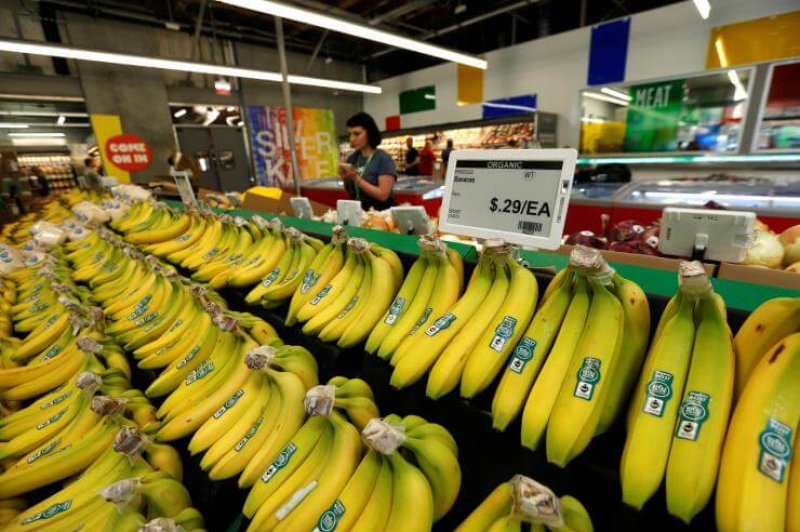
The global banana crop is currently under threat from a widespread fungal disease. Australian scientists already have succeeded in introducing resistance via transgenic modification. Now, they hope to use CRISPR-Cas9 techniques to produce disease-resistant bananas without introducing any foreign DNA.

REDUCED-GLUTEN WHEAT
Scientists in Spain have successfully used CRISPR-Cas9 techniques to modify the genome of wheat, producing strains that are significantly lower in gluten.

Read full, original post: Meet GenED: The Next Generation of Biotechnology

{{ reviewsTotal }}{{ options.labels.singularReviewCountLabel }}
{{ reviewsTotal }}{{ options.labels.pluralReviewCountLabel }}
{{ options.labels.newReviewButton }}
{{ userData.canReview.message }}

Related Articles

Infographic: Global regulatory and health research agencies on whether glyphosate causes cancer

Infographic: Global regulatory and health research agencies on whether glyphosate causes cancer

Does glyphosate—the world's most heavily-used herbicide—pose serious harm to humans? Is it carcinogenic? Those issues are of both legal and ...

Most Popular

Screenshot-2026-04-22-at-12.21.32-PM
Viewpoint: Why the retracted Monsanto glyphosate study doesn’t change the science—the world’s most popular herbicide is safe 
Picture1
The FDA couldn’t find a vaccine safety crisis, so it buried its own research
ChatGPT-Image-May-1-2026-11_42_59-AM-2
Viewpoint: NAD is the wellness grifters latest evidence-lite longevity fad. At least the mice are impressed.
global warming
‘Implausible’: Top climate scientists reject worst-case scenario—soaring temperatures and fast-rising sea levels
Screenshot-2026-05-21-at-12.15.17-PM
UK gene-editing milestone: Livestock barley that increases ruminant value and reduces methane emissions is first-approved CRISPR crop
vax-misinformation-main
Facts & Fallacies Podcast: Limit free speech to blunt social media misinfo?
ChatGPT-Image-Apr-16-2026-02_56_53-PM
Financial incentives, over diagnosis, and weak oversight: Autism claims are driving up Medicare costs
Screenshot-2026-05-21-at-3.15.53-PM
Chiropractors may no longer be modern-day snake oil salesmen, but the benefits of their therapy are limited–at best
ChatGPT-Image-May-12-2026-11_27_01-AM-2
AI likely to improve health care, research shows—but not for blacks and ethnic minorities
Screenshot-2026-05-20-at-5.11.17-PM
Viewpoint: No, sugar doesn’t ‘feed’ cancer — common cancer myths, debunked

Sorry. No data so far.

glp menu logo outlined

Get news on human & agricultural genetics and biotechnology delivered to your inbox.