Viewpoint: Consumers gain little from 23andMe’s screening for BRCA cancer genes

Cancer hp slide D OF master
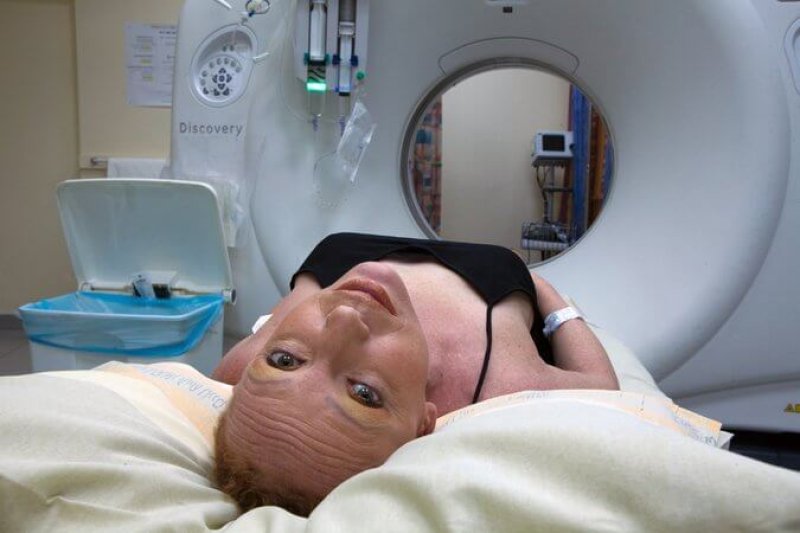
Getting a CT scan could boost your cancer risk? Image: Rina Castelnuovo

This month [March], the FDA granted the genetics company 23andMe permission to offer direct-to-consumer testing for three of the more than 1,000 known variants of the genes BRCA1 and BRCA2 that have been found to confer an increased risk of breast and ovarian cancer. (The tests were previously only available through a doctor.)

But not everyone is celebrating. Because the gene variants found by the test are extremely rare, most people who take the test won’t come away with much meaningful information, and there’s no good evidence that people who take the test will be better off than those who don’t.

What we have is a clash of philosophies: Should consumers have a right to information that some experts have deemed unhelpful and potentially harmful for most people?

[23andMe CEO Anne Wojcicki said] even though there aren’t many carriers of BRCA1 or BRCA2 mutations, some women who could benefit from screening aren’t getting tested. And even if the test doesn’t change what you know about your cancer risk, Wu said, “the results can still inform your conversations with your doctor.”

The marketing of these tests “thrives on the idea that people can make their own decisions,” [epidemiologist Cecile] Janssens said. If a customer believes that the test has utility for them, then in their view, it does.

Read full, original post: Anyone Can Now Take This Breast Cancer Gene Test, But It Probably Won’t Tell You Much

{{ reviewsTotal }}{{ options.labels.singularReviewCountLabel }}
{{ reviewsTotal }}{{ options.labels.pluralReviewCountLabel }}
{{ options.labels.noReviewsLabel }}
{{ options.labels.newReviewButton }}
{{ userData.canReview.message }}

Related Articles

Infographic: Global regulatory and health research agencies on whether glyphosate causes cancer

Infographic: Global regulatory and health research agencies on whether glyphosate causes cancer

Does glyphosate—the world's most heavily-used herbicide—pose serious harm to humans? Is it carcinogenic? Those issues are of both legal and ...

Most Popular

Screenshot-2026-07-30-at-3.07.42-PM
Controversy over WNBA star Sophie Cunningham’s comment opposing trans females in women’s sports reinvigorates the culture wars
leeteam
How Kennedy and his family could pocket millions from Merck’s $50 million vaccine injury settlement that he oversaw
ChatGPT-Image-Jul-10-2026-12_21_03-PM
Viewpoint: Is there new evidence that the animal deworming drug ivermectin decreases the risk of Covid and cancer? Don’t waste your money.
Screenshot-2026-07-30-at-2.30.35-PM
Climate scientists claim conservative activists are promoting ‘lies’ that Europe’s summer heatwaves are far from unusual
ChatGPT-Image-Mar-10-2026-01_39_01-PM
Viewpoint—“Miracle molecule” debunked: Why acemannan supplements don’t work
Picture1
Hiroshima at 81: America’s new nuclear bomb, a buried Iranian target, and a question no one wants to ask
Screenshot-2026-07-09-at-1.09.25-PM
Anti-vaccine myths rattle health care
ChatGPT Image Jul 29, 2026, 12_05_21 PM
AI-generated physicians promoting bogus cures and worthless supplements surge on social media
ChatGPT Image Jul 29, 2026, 05_50_04 PM
Fear, science, and the law: If talc powder is unlikely to cause cancer and J&J was winning in court, why did it pay more than $5.5 billion to settle?
ChatGPT Image Jul 29, 2026, 06_26_01 PM 2
Facts & Fallacies podcast: Organic food myths make a comeback on Instagram, with Dr. Kevin Folta
ChatGPT Image Jul 29, 2026, 10_14_27 PM
After muzzling RFK, Jr. over autism-vaccine conspiracy theories, Trump defies aides to push scares again
ChatGPT-Image-Jun-25-2026-12_23_17-PM
No, Bill Gates did not secretly engineer ticks to promote veganism
glp menu logo outlined

Get news on human & agricultural genetics and biotechnology delivered to your inbox.