Direct-to-consumer genetic test results 40 percent wrong in small study

test
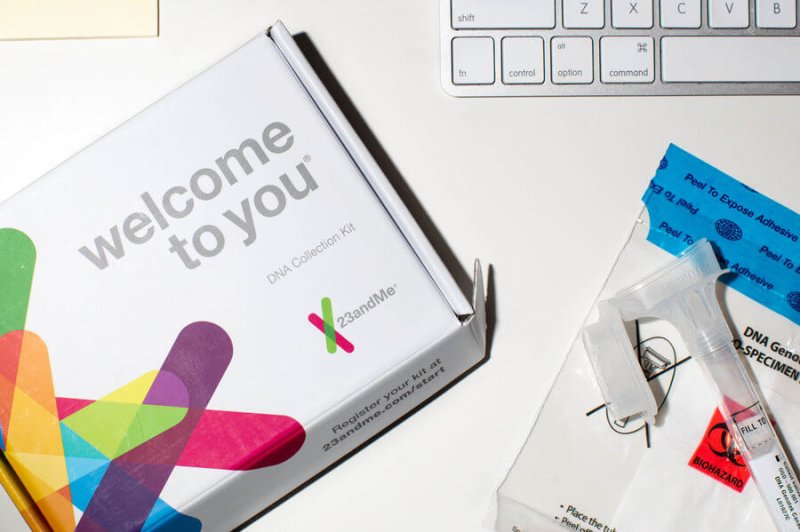
Image credit: Meredith Rizzo, NPR

At-home DNA tests are “not intended for medical use,” meaning that the data they give you shouldn’t be used as a replacement for a real medical diagnosis.

At-home genetic testing companies like 23andMe, Ancestry.com, Family Tree DNA and My Heritage are gaining popularity as a relatively cheap way to understand one’s ethnicity and genetic history.

Yet new research suggests that some results identifing genetic issues may be innaccurate—and that as much as 40 percent of analyses of these at-home genetic tests implying genetic disorders could be innacurate.

Researchers at AmbryGenetics conducted a study of 49 individuals who had done “direct-to-consumer” DNA tests…AmbryGenetics then checked those analyses with a more detailed and expensive genetic test. They found that only 60 percent of the genetic variance results could be confirmed.
While this is a relatively small sample of 49 people, the thirteen results that came from the company 23andMe were confirmed accurate. In an email to Newsweek, they noted that their product “undergoes an incredibly rigorous, FDA-mandated accuracy review process – much more rigorous than this study which only used 49 samples from several different companies, whereas we test hundreds of samples.”

The study was published Monday [April 2] in the journal Nature.

Read full, original post: Nearly Half of At-Home DNA Test Results Could Be Wrong

Related Articles

Infographic: Global regulatory and health research agencies on whether glyphosate causes cancer

Infographic: Global regulatory and health research agencies on whether glyphosate causes cancer

Does glyphosate—the world's most heavily-used herbicide—pose serious harm to humans? Is it carcinogenic? Those issues are of both legal and ...

Most Popular

ChatGPT-Image-Mar-10-2026-01_39_01-PM
Viewpoint—“Miracle molecule” debunked: Why acemannan supplements don’t work
Screenshot-2026-10-07-at-2.00.02-PM
9 wellness myths busted
Concerned-Farmer-at-Golden-Hour
GAHA: The corporate-created “healthier America” movement challenging what it claims is MAHA misinformation about modern farming, chemicals, and food
AI Doctor with a Digital Neural Head
Utah becomes first state to empower AI to bypass doctors and prescribe certain drugs
Screenshot-2026-09-22-at-12.26.15-PM
‘Forever chemical’ concerns: Separating hysteria from reasonable concern in the debate over PFAS danger
Screenshot-2026-10-06-at-11.13.59-AM
RFK Jr.’s plan to curb America’s appetite for ultra-processed foods and artificial dyes blocked by the White House
Screenshot-2026-10-08-at-2.32.00-PM
Abortion rights opponents outraged after FDA says its “safety review” of the already-found-safe mifepristone abortion pill will continue into 2027
AI-Force-Uniform-Insignia-Close-Up
Trump wants an AI Force like Space Force, but that could make AI’s risks harder to manage
Supreme-Court-Amid-Climate-Crisis
Should fossil fuel companies be shielded from lawsuits over climate change damage? The Supreme Court takes up the question
Screenshot-2026-09-28-at-11.26.17-AM
Viewpoint: Wellness movement activists reposition nicotine from a killer addictive drug into a cure-all for brain ills
Resolute-Portrait-with-Injured-Teddy-Bear
Anti-vax Texas Senate candidate Ken Paxton alleges conspiracy by doctors, drugmakers, and insurers to push childhood vaccination for profit
glp menu logo outlined

Get news on human & agricultural genetics and biotechnology delivered to your inbox.