Rewriting life’s code: Researchers want to synthesize the entire human genome

R ZN RKQm RpA gyrAhRw
Image credit: Future Crunch
[Researcher George] Church is one of the leaders of an initiative called the Genome Project-­Write, or GP-Write, which is organizing the efforts of hundreds of scientists around the world who are working to synthesize the DNA of a variety of organisms.

Church and others who are working to synthesize human DNA have created their own effort…and its prospects for success have biologists abuzz over the potential for treating diseases and for creating bioengineered cells and possibly even organs. Critics, though, are scratching their heads over the technical challenges, high costs, and practicality…


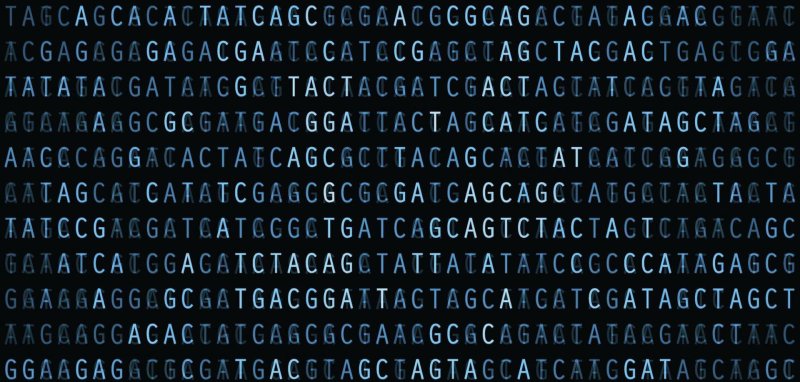
Theoretically, scientists could one day manufacture genomes, human or otherwise, almost as easily as writing code on a computer, transforming digital DNA on someone’s laptop into living cells.

Church and his team are forging ahead. “We want to start with a human Y,” he says, referring to the male sex chromosome, which he explains has the fewest genes of a person’s 23 chromo­somes and is thus easier to build.

How this will play out in future years and decades is anyone’s guess. But the tools are being forged right now that might make it possible to do far more than add a few improvements, says bioengineer Pam Silver of Harvard: “The driver is your imagination.”

Read full, original post: The next best version of me: How to live forever

{{ reviewsTotal }}{{ options.labels.singularReviewCountLabel }}
{{ reviewsTotal }}{{ options.labels.pluralReviewCountLabel }}
{{ options.labels.newReviewButton }}
{{ userData.canReview.message }}

Related Articles

Infographic: Global regulatory and health research agencies on whether glyphosate causes cancer

Infographic: Global regulatory and health research agencies on whether glyphosate causes cancer

Does glyphosate—the world's most heavily-used herbicide—pose serious harm to humans? Is it carcinogenic? Those issues are of both legal and ...

Most Popular

Screenshot-2026-04-22-at-12.21.32-PM
Viewpoint: Why the retracted Monsanto glyphosate study doesn’t change the science—the world’s most popular herbicide is safe 
Picture1
The FDA couldn’t find a vaccine safety crisis, so it buried its own research
ChatGPT-Image-May-1-2026-11_42_59-AM-2
Viewpoint: NAD is the wellness grifters latest evidence-lite longevity fad. At least the mice are impressed.
global warming
‘Implausible’: Top climate scientists reject worst-case scenario—soaring temperatures and fast-rising sea levels
Screenshot-2026-05-21-at-12.15.17-PM
UK gene-editing milestone: Livestock barley that increases ruminant value and reduces methane emissions is first-approved CRISPR crop
vax-misinformation-main
Facts & Fallacies Podcast: Limit free speech to blunt social media misinfo?
ChatGPT-Image-Apr-16-2026-02_56_53-PM
Financial incentives, over diagnosis, and weak oversight: Autism claims are driving up Medicare costs
Screenshot-2026-05-21-at-3.15.53-PM
Chiropractors may no longer be modern-day snake oil salesmen, but the benefits of their therapy are limited–at best
ChatGPT-Image-May-12-2026-11_27_01-AM-2
AI likely to improve health care, research shows—but not for blacks and ethnic minorities
Screenshot-2026-05-20-at-5.11.17-PM
Viewpoint: No, sugar doesn’t ‘feed’ cancer — common cancer myths, debunked

Sorry. No data so far.

glp menu logo outlined

Get news on human & agricultural genetics and biotechnology delivered to your inbox.