Scientists worry EU’s neonicotinoid ban could lead to increase in spraying of other insecticides

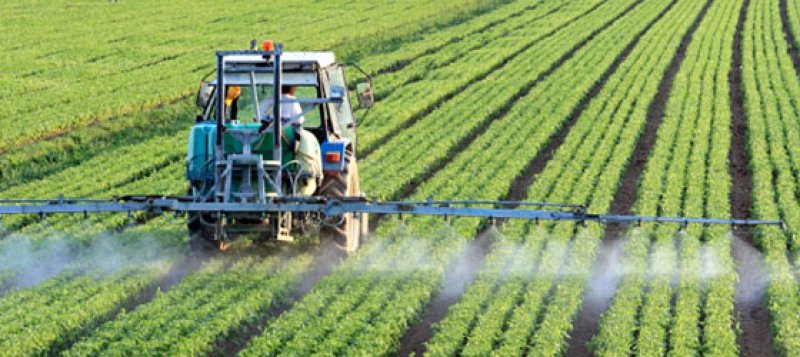
sprayer
Image Source: Achieve Ability Plus

Dr Bill Parker, Director of Research, Agriculture and Horticulture Development Board (AHDB), said:

โ€œWhile this decision is not unexpected given the mounting weight of scientific evidence of the effects of neonics on pollinators, it is nonetheless a serious issue for the agricultural industry as it further restricts the crop protection toolbox that farmers and growers have available to them for controlling key pests.

โ€œAlthough alternatives do exist, the consequence of this decision is likely to be a greater use of insecticides applied as foliar sprays (spray applied to leaves)….

Prof Dave Goulson, Professor of Biology (Evolution, Behaviour and Environment), University of Sussex, said:

โ€œGiven the ongoing evidence of catastrophic insect decline … this decision should be welcome.ย  There is abundant evidence from lab and field studies that neonicotinoids are harmful to bees….ย  The EU decision is a logical one….

โ€œHowever, if these neonicotinoids are simply replaced by other similar compounds such as sulfoxaflor, cyantraniliprole and flupyradifurone (all new systemic insecticides), then we will simply be going round in circles.ย  What is needed is a move towards truly sustainable farming methods that minimise pesticide use, encourage natural enemies of crop pests, and support biodiversity and healthy soils.

Read full, original post:ย expert reaction to EU ban on outdoor use of three neonicotinoid pesticides

{{ reviewsTotal }}{{ options.labels.singularReviewCountLabel }}
{{ reviewsTotal }}{{ options.labels.pluralReviewCountLabel }}
{{ options.labels.newReviewButton }}
{{ userData.canReview.message }}

Related Articles

Infographic: Global regulatory and health research agencies on whether glyphosate causes cancer

Infographic: Global regulatory and health research agencies on whether glyphosate causes cancer

Does glyphosateโ€”the world's most heavily-used herbicideโ€”pose serious harm to humans? Is it carcinogenic? Those issues are of both legal and ...

Most Popular

Picture1
The Orange Bowl without oranges: Can CRISPR save Florida citrus?
Screenshot-2026-04-14-at-11.11.06-AM
โ€˜Turbo cancerโ€™ or mRNA cancer cure? Strategies to counter misinformation
ChatGPT-Image-May-22-2026-10_26_09-AM
Gutting the National Science Board: How the Trump-RFK, Jr. crusade is erasing the separation of science and state
Screenshot 2025-11-12 at 3.28
GLP podcast: Evolutionary biologist debunks the 'sex spectrum'
Screenshot-2026-04-22-at-12.21.32-PM
Viewpoint: Why the retracted Monsanto glyphosate study doesnโ€™t change the scienceโ€”the worldโ€™s most popular herbicide is safeย 
ChatGPT-Image-May-26-2026-09_19_32-AM
Viewpointโ€” โ€œA safe space to chat, flirt, and be intimate without sexโ€: Are new AI companies exploiting vulnerable asexuals?
Screenshot 2026-05-22 at 3.28
Vagus nerve wellness grift: How to build a billion dollar business. Are you listening, Kelly Ripa?
ChatGPT-Image-May-26-2026-09_04_31-AM-2
Hantavirus revives COVID-era conspiracies and distrust in public healthย 
global warming
โ€˜Implausibleโ€™: Top climate scientists reject worst-case scenarioโ€”soaring temperatures and fast-rising sea levels
ChatGPT-Image-Apr-16-2026-02_56_53-PM
Financial incentives, over diagnosis, and weak oversight: Autism claims are driving up Medicare costs
Screenshot-2026-05-26-at-9.48.42-AM
Seed oil panic: RFK Jr. and influencers made linoleic acid a dietary villain and heart risk. Evidence points the other way โ€” replacing them with animal fat is.
glp menu logo outlined

Get news on human & agricultural genetics and biotechnology delivered to your inbox.