Why do humans find classifying animal intelligence so difficult?

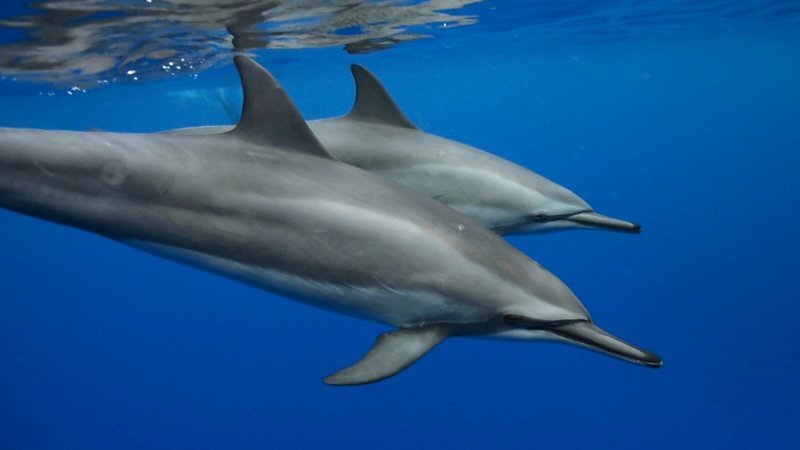
c be d a cc ff db ec heres what we know about dolphin intelligence
Image credit: National Geographic
[D]oes a chimpanzee deserve more rights than, say, a pigeon? The logic that leads to “yes” is clear enough, but putting it into practice would be tough, scientists say. Because when it comes to measuring intelligence, we’re actually a little dumb.

“I don’t know any comparative psychologist who even likes the word ‘smart’ or ‘intelligent’ in talking about animals,” said Kristin Andrews, a philosophy professor and cognitive scientist at York University.

Scientists know animals are capable of demonstrating an array of cognitive skills, and there are some skills that some animals are better at than others. But the problem is that a hierarchy assumes all animals (including humans) evolved for the same environment. And that just isn’t true. Animals are smart in the ways they need to be smart, Andrews said. And because environment and needs differ by animal, trying to rank them is futile. If a polar bear has different skills than an octopus, does that mean one is smarter than other — or does it just mean the ocean is different from an iceberg?

It’s useless to extend human rights to animals, [experimental psychologist Edward Wasserman] told me, because that’s inevitably going to be based on a hierarchy model of intelligence. Instead, we should be giving animals animal rights — starting with the right to a wild habitat.

Read full, original post: Humans Are Dumb At Figuring Out How Smart Animals Are

{{ reviewsTotal }}{{ options.labels.singularReviewCountLabel }}
{{ reviewsTotal }}{{ options.labels.pluralReviewCountLabel }}
{{ options.labels.newReviewButton }}
{{ userData.canReview.message }}

Related Articles

Infographic: Global regulatory and health research agencies on whether glyphosate causes cancer

Infographic: Global regulatory and health research agencies on whether glyphosate causes cancer

Does glyphosate—the world's most heavily-used herbicide—pose serious harm to humans? Is it carcinogenic? Those issues are of both legal and ...

Most Popular

ChatGPT-Image-Jun-19-2026-04_11_20-PM
Daubert for Dummies—Scientific Reliability in U.S. Courts: Daubert, Rule 702, and Made-for-Litigation Evidence
ChatGPT-Image-Jun-25-2026-01_14_50-PM
Viewpoint: Disinformation grift: The wellness industry is a lucrative and mostly worthless marketplace of ‘balms, brews, and baloney’
ChatGPT-Image-Jun-25-2026-12_23_17-PM
No, Bill Gates did not secretly engineer ticks to promote veganism
ChatGPT-Image-Mar-10-2026-01_39_01-PM
Viewpoint—“Miracle molecule” debunked: Why acemannan supplements don’t work
ChatGPT-Image-Jun-30-2026-01_09_47-PM
Viewpoint: As MAHA blows up over Supreme Court ruling limiting glyphosate litigation, Trump offers toothless plan to reduce pesticides in food
Screenshot-2026-06-05-at-2.12.30-PM
Some plants can poison you. So how did humans figure out what is safe to eat?
ChatGPT-Image-May-18-2026-12_06_18-PM-2
Defying death: The immortality movement goes mainstream

Sorry. No data so far.

glp menu logo outlined

Get news on human & agricultural genetics and biotechnology delivered to your inbox.