What’s behind public fear of GMO foods in developing countries?

DU Kenya
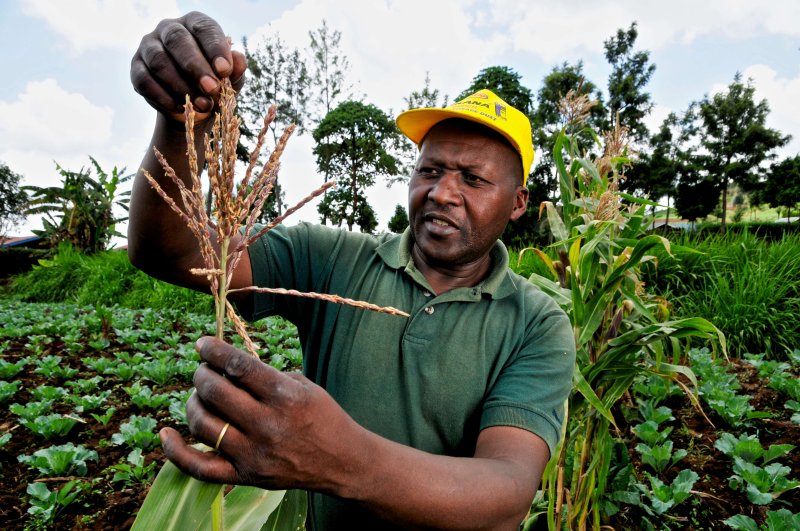
Image source: Acclimatise

The genetically modified organism (GMO) debate remains engulfed in a maelstrom of controversies. Sadly, what is largely a First-World debate continues to increasingly hurt poor farmers in the developing world.

While sharing knowledge about developments in modern biotechnology and biosafety around the globe, I have had an opportunity to interact with all cadres of society. What still baffles me is the amount of fear perpetuated about genetic modification in agriculture.

This is despite biotech crops having been in the market and in our food chain for more than two decades. By 2016, for example, 185.1 million hectares of biotech crops — more than the total arable land of China or the United States — were grown.

Opinion on the actual benefits of biotech crops is sharply divided, even as experts and farmer testimonials affirm the facts. So, recently, I posed and asked myself, who exactly is afraid of GMOs, and why?

The top four reasons I came across were: Fear of multinationals’ control of our food supply; farmer exploitation; trade-related concerns; and long-term effects. An examination of those behind the fear revealed interesting realities.

Editor’s note: Margaret Karembu is director of International Service for the Acquisition of Agri-biotech Applications (ISAAA) AfriCenter and chair of the Open Forum on Agricultural Biotechnology (OFAB) – Kenya Chapter

Read full, original article: Who is afraid of GMOs? Fear peddlers

{{ reviewsTotal }}{{ options.labels.singularReviewCountLabel }}
{{ reviewsTotal }}{{ options.labels.pluralReviewCountLabel }}
{{ options.labels.newReviewButton }}
{{ userData.canReview.message }}

Related Articles

Infographic: Global regulatory and health research agencies on whether glyphosate causes cancer

Infographic: Global regulatory and health research agencies on whether glyphosate causes cancer

Does glyphosate—the world's most heavily-used herbicide—pose serious harm to humans? Is it carcinogenic? Those issues are of both legal and ...

Most Popular

Screenshot-2026-04-22-at-12.21.32-PM
Viewpoint: Why the retracted Monsanto glyphosate study doesn’t change the science—the world’s most popular herbicide is safe 
Picture1
The FDA couldn’t find a vaccine safety crisis, so it buried its own research
ChatGPT-Image-May-1-2026-11_42_59-AM-2
Viewpoint: NAD is the wellness grifters latest evidence-lite longevity fad. At least the mice are impressed.
ChatGPT-Image-Apr-16-2026-02_56_53-PM
Financial incentives, over diagnosis, and weak oversight: Autism claims are driving up Medicare costs
ChatGPT-Image-May-12-2026-11_27_01-AM-2
AI likely to improve health care, research shows—but not for blacks and ethnic minorities
ChatGPT-Image-May-7-2026-01_23_27-PM-2
Viewpoint: Will AI democratize personalized cancer treatment or fuel medical misinformation?

Sorry. No data so far.

glp menu logo outlined

Get news on human & agricultural genetics and biotechnology delivered to your inbox.