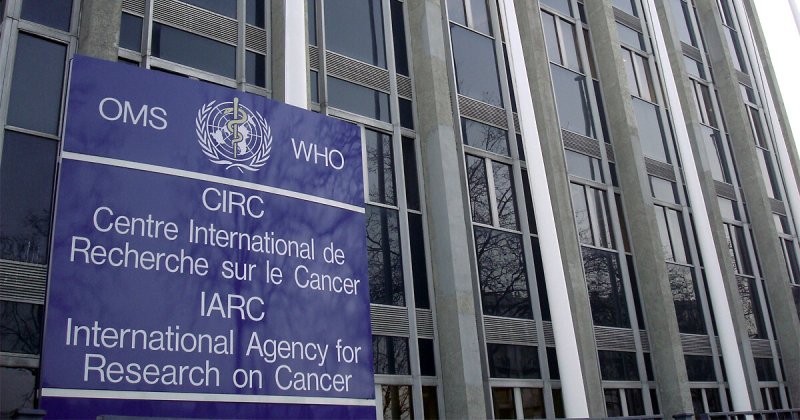
Congressional committee cuts funding to IARC over WHO agency’s controversial glyphosate-cancer finding

csd blog iarc office
Image: Wikimedia Commons

The House Committee on Appropriations has withheld funding for the WHO International Agency for Research on Cancer—which receives about $2 million from the United States per year—because of controversy over the agency’s label for glyphosate, a chemical commonly used in weedkillers.

In a March 2015 review …. IARC labeled the weedkiller as “probably carcinogenic in humans,” based on limited evidence in humans for non-Hodgkin lymphoma, and “sufficient evidence” in animals.

….

IARC’s conclusions on glyphosate, made by a working group of 17 scientists from 11 countries, ran counter to guidelines of the U.S. Environmental Protection Agency and the European Food Safety Authority. EPA said glyphosate has “low toxicity to humans,” and an EFSA study in November 2015 found glyphosate “unlikely to be carcinogenic.”

Read full, original article: House committee defoliates NIH funding for WHO program that declares weedkiller Roundup a carcinogen (Behind Paywall)

{{ reviewsTotal }}{{ options.labels.singularReviewCountLabel }}
{{ reviewsTotal }}{{ options.labels.pluralReviewCountLabel }}
{{ options.labels.newReviewButton }}
{{ userData.canReview.message }}

Related Articles

Infographic: Global regulatory and health research agencies on whether glyphosate causes cancer

Infographic: Global regulatory and health research agencies on whether glyphosate causes cancer

Does glyphosate—the world's most heavily-used herbicide—pose serious harm to humans? Is it carcinogenic? Those issues are of both legal and ...

Most Popular

ChatGPT-Image-May-7-2026-12_16_37-PM-2
Viewpoint: Are cancer rates ‘skyrocketing’ as RFK, Jr. and MAHA claims? The evidence says mostly the opposite
Screenshot-2026-04-22-at-10.46.29-AM
Viewpoint: How to counter science disinformation? Science journalist offers 12 practical tips
ChatGPT-Image-May-12-2026-08_39_41-PM
GLP podcast: Big Pharma, Big Ag, Big Food—health harming industries or life-saving innovators?
png-pill-omega-Supp-fish-oil
Millions take omega-3 fish oil for brain health. New research suggests it may do the opposite.
Screenshot-2026-04-23-at-11.00.36-AM
Regulators' dilemma: Thalidomide, Metformin, and the cost of getting drug approvals wrong
Screenshot-2026-04-13-at-1.39.26-PM
Viewpoint: ‘Safer for children?’ Stonyfield yogurt under fire for deceptive organic marketing
Picture1-5
Science Disinformation Gap: The transatlantic battle over social media and censorship
Picture1-1
Cooling the planet with balloons: Could a geoengineering gamble slow global warming?
Screenshot-2026-05-08-at-3.40.33-PM
Seeds of power: China turns to genetic engineering to become global superpower
ChatGPT-Image-May-12-2026-01_41_42-PM
Viewpoint: ‘Measles is a canary in the healthcare coal mine’: Challenging RFK, Jr.’s scare campaign
glp menu logo outlined

Get news on human & agricultural genetics and biotechnology delivered to your inbox.