Viewpoint: Costly regulations prevent consumers from enjoying benefits of biotech crops

tomato forks x
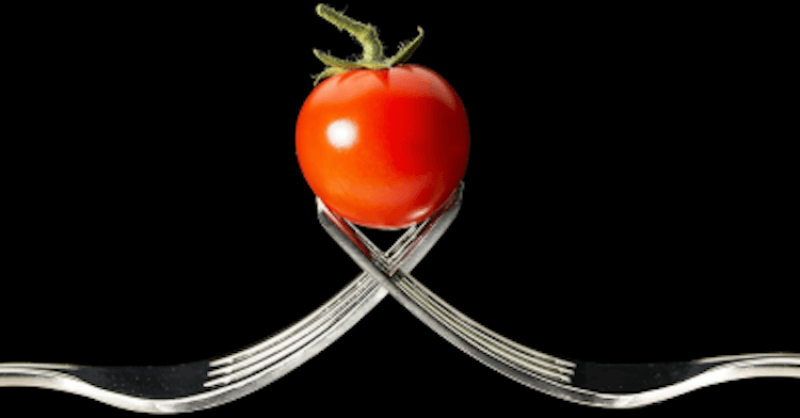
[T]hree papers [recently published] from research groups around the world detail attempts to make a new type of super-tomato: one that does not sacrifice taste for convenience. To do this, the researchers used CRISPR–Cas9 gene editing, which allowed them to modify specific genes in wild relatives of tomatoes. The result — according to a scientist who has tasted one of the fruits — is an “aromatic” tomato that could re-energize taste buds.

To achieve the same product through conventional breeding would have taken decades, says Jörg Kudla at the University of Münster in Germany, a lead author on one of the papers. Instead, it took his team three years. It’s an example of science serving a need of society …. In July, the European Court of Justice ruled that foods produced by CRISPR–Cas9 gene editing must be bound by the same onerous regulations as genetically modified crops. The resulting mandatory tests and trials will massively increase the cost of developing a commercial product ….

The expense is one reason why genetically modified crops have so far yielded little benefit for consumers: because it has cost so much to produce such plants, companies focus on developing commodity crops and traits that appeal to farmers ….  if [gene-edited] crops have no commercial future in Europe, it might be a struggle to justify paying for the crops’ development.

Read full, original article: Super-tomato shows what plant scientists can do

{{ reviewsTotal }}{{ options.labels.singularReviewCountLabel }}
{{ reviewsTotal }}{{ options.labels.pluralReviewCountLabel }}
{{ options.labels.newReviewButton }}
{{ userData.canReview.message }}

Related Articles

Infographic: Global regulatory and health research agencies on whether glyphosate causes cancer

Infographic: Global regulatory and health research agencies on whether glyphosate causes cancer

Does glyphosate—the world's most heavily-used herbicide—pose serious harm to humans? Is it carcinogenic? Those issues are of both legal and ...

Most Popular

ChatGPT-Image-May-7-2026-12_16_37-PM-2
Viewpoint: Are cancer rates ‘skyrocketing’ as RFK, Jr. and MAHA claims? The evidence says mostly the opposite
Screenshot-2026-04-22-at-10.46.29-AM
Viewpoint: How to counter science disinformation? Science journalist offers 12 practical tips
Screenshot-2026-04-13-at-1.39.26-PM
Viewpoint: ‘Safer for children?’ Stonyfield yogurt under fire for deceptive organic marketing
Picture1-14
When superbugs threaten vulnerable children: Can AI help solve antibiotic resistance?
Screenshot-2026-04-23-at-11.00.36-AM
Regulators' dilemma: Thalidomide, Metformin, and the cost of getting drug approvals wrong
Picture1-1
Cooling the planet with balloons: Could a geoengineering gamble slow global warming?
ChatGPT-Image-May-12-2026-08_39_41-PM
GLP podcast: Big Pharma, Big Ag, Big Food—health harming industries or life-saving innovators?
bigstock opioids on chalkboard with rol
GLP podcast: 'Safe injection sites': enabling drug addiction or saving lives?

Sorry. No data so far.

glp menu logo outlined

Get news on human & agricultural genetics and biotechnology delivered to your inbox.