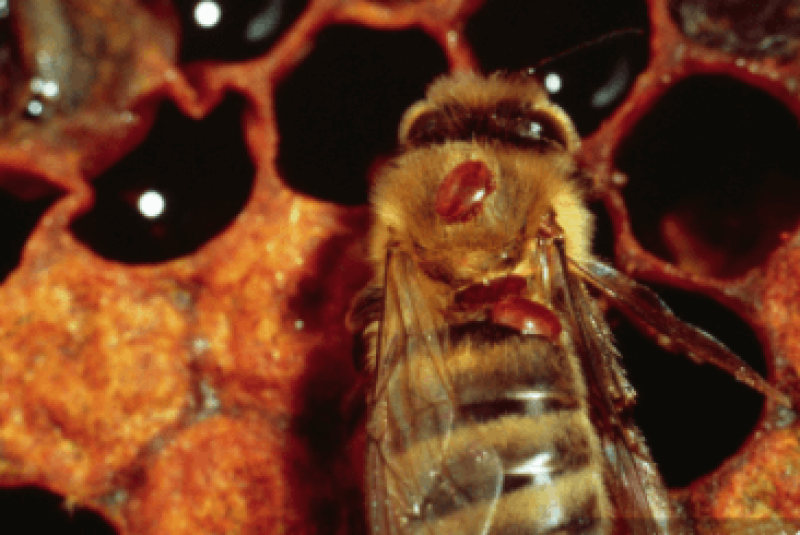
In this video, CropLife International scientist Greg Heck discusses how researchers are using RNA interference (RNAi) to turn off or turn down the expression of genes in insects. The technique, used naturally by many organisms to restrict gene expression, may allow scientists to develop new pesticides to protect food crops from pests and bees from the Varroa mite, a virus-spreading insect widely believed by scientists to be the biggest threat to the pollinators today.
Video: How ‘turning down’ gene expression in pests can help protect crops and bees
Greg Heck | CropLife International | October 29, 2018
{{ reviewsTotal }}{{ options.labels.singularReviewCountLabel }}
{{ reviewsTotal }}{{ options.labels.pluralReviewCountLabel }}
{{ options.labels.newReviewButton }}
{{ userData.canReview.message }}
Related Articles
![]() |
Bees & Pollinators | More... |
![]() |
Infographics | More... |
Infographic: Global regulatory and health research agencies on whether glyphosate causes cancer
Does glyphosate—the world's most heavily-used herbicide—pose serious harm to humans? Is it carcinogenic? Those issues are of both legal and ...
Most Popular
FDA’s expedited drug reviews are hailed in some quarters but other approval practices are problematic
Viewpoint: Misinformation infodemic? Why assessing evidence is so challenging
‘Conflict entrepreneurs’ are driving disinformation and shaping public opinion
Farmers are a major source of misinformation—about farming
Vaccine shootout at the CDC
Viewpoint: Internal White House documents detail administration’s strategy to undermine climate science