How plants have shaped the course of human history

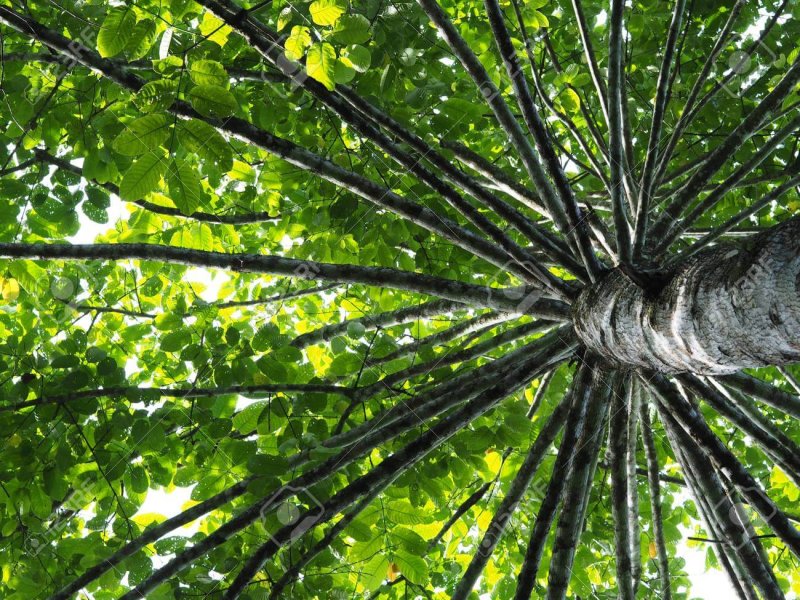
giant tree wild cinchona at kaeng krachan national park thailand
Giant\ Wild cinchona tree at Kaeng Krachan National Park, Thailand

Quinine (Scientific name: Cinchona) is a plant that has influenced the course of human history. Used for centuries by the indigenous people of the Andes as a cure for fevers, Cinchona became known to Jesuits stationed in Peru in the early seventeenth century. The “Jesuit powder” was subsequently introduced to Europe as a medicine against malaria and remained the only effective treatment well into the twentieth century.

Britain prospected Peruvian bark trees and grew them in India, having first transplanted them to Kew, one of many botanical gardens that served as a center for medical and colonial botany. In fact, the success of British rule in India depended partly on the control of malaria through the establishment of local Cinchona plantations.

Plants have shaped human societies even before the establishment of agriculture by providing food, clothing, shelter, remedies and poisons. As the source of psychotropic substances, they have facilitated communion with the sacred in some societies, and bestowed on others the ravages of addiction. As the focus of ethnobotany and archaeobotany, plants yield invaluable insights into the past. In art, they have served as both an ornament and as an index of wealth, networks and values ….

Read full, original article: How Have Plants Shaped Human Societies?

Related Articles

Infographic: Global regulatory and health research agencies on whether glyphosate causes cancer

Infographic: Global regulatory and health research agencies on whether glyphosate causes cancer

Does glyphosate—the world's most heavily-used herbicide—pose serious harm to humans? Is it carcinogenic? Those issues are of both legal and ...

Most Popular

Picture1
Hiroshima at 81: America’s new nuclear bomb, a buried Iranian target, and a question no one wants to ask
ChatGPT-Image-Jul-31-2026-07_35_35-AM
Wikipedia has assembled an informative list of fake news websites from across the ideological spectrum
Screenshot-2026-07-31-at-10.10.55-AM
Viewpoint: ‘Misinformation' about the effects of offshore wind turbines on marine life could derail offshore wind farm projects 
ChatGPT Image Jul 29, 2026, 10_17_59 AM
Viewpoint: What does it mean when critics of conventional agriculture say many fruits and vegetables are “linked” to pesticide poisoning?
ChatGPT Image Jul 29, 2026, 09_08_15 AM 2
The retreat of environmental extremism: Why activist NGOs are losing favor
ChatGPT Image Jul 31, 2026, 08_05_37 AM
With trust in RFK, Jr.'s CDC vaccine advice collapsing, physicians scramble to fill the information gap
ChatGPT-Image-Mar-10-2026-01_39_01-PM
Viewpoint—“Miracle molecule” debunked: Why acemannan supplements don’t work
ChatGPT Image Jul 29, 2026, 06_26_01 PM 2
Facts & Fallacies podcast: Organic food myths make a comeback on Instagram, with Dr. Kevin Folta
Screenshot-2026-07-31-at-9.37.42-AM
Obsessing about ultra-processed foods but ignoring what matters far more: A balanced diet
ChatGPT-Image-Jul-10-2026-09_42_12-AM-1
Peptides, patient autonomy, and the limits of medical freedom
ChatGPT-Image-Jul-10-2026-12_21_03-PM
Viewpoint: Is there new evidence that the animal deworming drug ivermectin decreases the risk of Covid and cancer? Don’t waste your money.
Screenshot-2026-07-09-at-1.09.25-PM
Anti-vaccine myths rattle health care
leeteam
How Kennedy and his family could pocket millions from Merck’s $50 million vaccine injury settlement that he oversaw
Screenshot-2026-07-30-at-3.07.42-PM
Controversy over WNBA star Sophie Cunningham’s comment opposing trans females in women’s sports reinvigorates the culture wars
glp menu logo outlined

Get news on human & agricultural genetics and biotechnology delivered to your inbox.