Viewpoint: ‘Now is the time’ for global laws on human gene editing

1-23-2019 twin sisters e x
Image credit: Tesla Rati
[T]he bedrock concept underpinning existing international agreements on bioethics and gene editing establishes that we don’t have the right to use technologies to design our descendants according to our preferences, even with the best intentions. Even if gene alterations were initially focused on improving health and preventing the transmission of serious diseases, we simply cannot foresee all of the unintended consequences. Moreover, the risk is too high that we would gradually start to make genetic changes for the non-therapeutic design of our children, and it is far from clear that we should have such power over our descendants.

The fact that a new technique like CRISPR-Cas9 makes it easier and cheaper to “cut and paste” genes does not mean we should analogize this to a technical procedure—à la editing through word processing. It does not change the fundamental ethical and social questions.

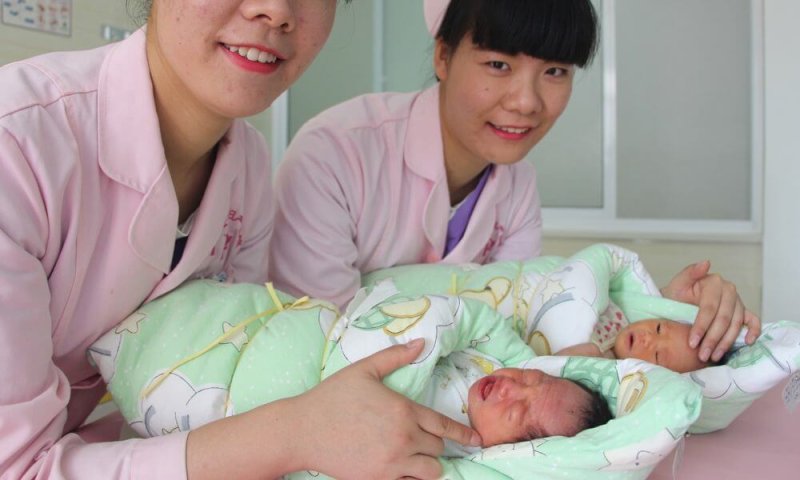
Considering recent headlines about alleged gene-editing in China, other rogue scientists may try their hands at germline editing sooner or later. That is why it is crucial for national and global laws to be enacted and enforced.

Now is the time to raise consciousness and mobilize awareness among varied constituencies from health, ethics and human rights, among others, about what is at stake in the global struggle for health equity and social justice.

Read full, original post: The right to design babies? Human rights and bioethics

{{ reviewsTotal }}{{ options.labels.singularReviewCountLabel }}
{{ reviewsTotal }}{{ options.labels.pluralReviewCountLabel }}
{{ options.labels.newReviewButton }}
{{ userData.canReview.message }}

Related Articles

Infographic: Global regulatory and health research agencies on whether glyphosate causes cancer

Infographic: Global regulatory and health research agencies on whether glyphosate causes cancer

Does glyphosate—the world's most heavily-used herbicide—pose serious harm to humans? Is it carcinogenic? Those issues are of both legal and ...

Most Popular

Screenshot-2026-05-01-at-1.29.41-PM
Viewpoint: What happens when whole grains meet modern food manufacturing? Labels don’t tell the whole story.
Farmers can talk to plants
Farmers are a major source of misinformation—about farming
Screenshot-2026-04-12-135256
Bixonimania: The fake disease scam that AI swallowed whole
ChatGPT-Image-Apr-13-2026-02_20_22-PM
Viewpoint: Misinformation infodemic? Why assessing evidence is so challenging 
a ufo a photoblog
U.S. government accused of pushing ‘fake news’ about UFOs to cover-up secret dark-project drone and aircraft technology
ChatGPT-Image-Mar-27-2026-11_47_30-AM-2
FDA’s expedited drug reviews are hailed in some quarters but other approval practices are problematic
S
As vaccine rejectionism spreads, measles may be taking a more dangerous turn
bigstock opioids on chalkboard with rol
GLP podcast: 'Safe injection sites': enabling drug addiction or saving lives?

Sorry. No data so far.

glp menu logo outlined

Get news on human & agricultural genetics and biotechnology delivered to your inbox.