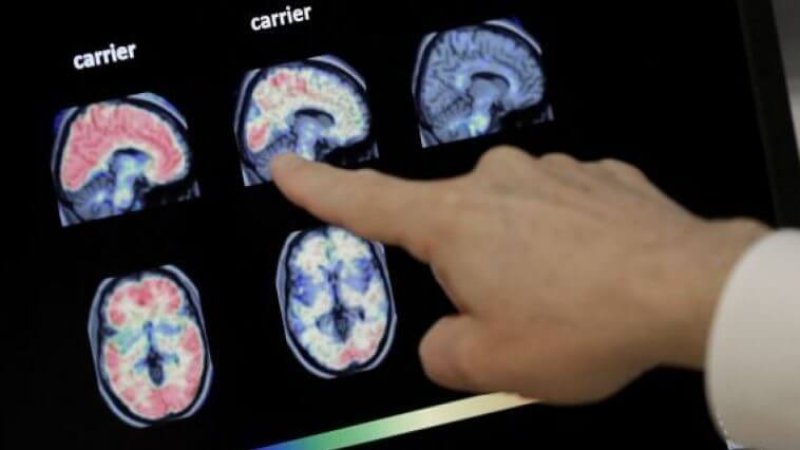
Understanding the ‘little brain’ could be key to treating autism, addiction

1-24-2019 alzheimers ap x
Image credit: Matt York/AP

For about two centuries the scientific community believed the cerebellum (Latin for “little brain”), which contains approximately half of the brain’s neurons, was dedicated solely to the control of movement. In recent decades, however, the tide has started to turn, as researchers have revealed details of the structure’s role in cognition, emotional processing and social behavior.

Although many of these findings suggested the cerebellum played an important part both in reward-related and social behavior, a clear neural mechanism to explain this link was lacking. New research, published this week [January 18] in Science, demonstrates that a pathway directly tying the cerebellum to the ventral tegmental area (VTA)—one of the brain’s key pleasure centers—can control these two processes. “This work helps lay out the circuitry connecting the cerebellum to social and reward processing,” says Julie Fiez, a cognitive neuroscientist at the University of Pittsburgh.

Further probing the cerebellum–VTA circuit could one day help scientists treat various disorders, [researcher Kamran] Khodakhah says. This circuit might be manipulated—using techniques such as transcranial magnetic stimulation or deep-brain stimulation—in individuals with addiction or autism. But more research is necessary before such interventions become reality—and for now, Khodakhah’s team plans to test some of these methods in mice.

Read full, original post: The Cerebellum Is Your “Little Brain”—and It Does Some Pretty Big Things

{{ reviewsTotal }}{{ options.labels.singularReviewCountLabel }}
{{ reviewsTotal }}{{ options.labels.pluralReviewCountLabel }}
{{ options.labels.newReviewButton }}
{{ userData.canReview.message }}

Related Articles

Infographic: Global regulatory and health research agencies on whether glyphosate causes cancer

Infographic: Global regulatory and health research agencies on whether glyphosate causes cancer

Does glyphosate—the world's most heavily-used herbicide—pose serious harm to humans? Is it carcinogenic? Those issues are of both legal and ...

Most Popular

ChatGPT-Image-Mar-10-2026-01_39_01-PM
Viewpoint—“Miracle molecule” debunked: Why acemannan supplements don’t work
afb-a-b
As the EU loosens restrictions on agricultural gene editing, it remains years behind the rest of the world on equally-safe GMO foods
ChatGPT-Image-Jul-8-2026-12_32_48-PM
Viewpoint: SCOTUS strikes a blow against junk science in Bayer glyphosate case. Will it deter mass tort litigators?
Screenshot-2026-07-10-at-2.02.54-PM
Viewpoint: In abortion-restricting Florida, misinformation abounds when Republican congresswoman faces an ectopic pregnancy
ChatGPT-Image-Jul-7-2026-01_57_55-PM
Viewpoint: Europe’s rejection of air conditioning is the poster child for misunderstanding how to mitigate the impact of climate change
ChatGPT-Image-Jun-25-2026-12_23_17-PM
No, Bill Gates did not secretly engineer ticks to promote veganism
Screenshot-2026-07-10-at-3.25.10-PM
Using AI for health questions? Here are 4 tips for the most accurate answers.
Screenshot-2026-07-10-at-3.10.50-PM
Snake-oil cures throughout history
Screen-Shot-at-PM-pe-vra-kipgaprbdo-vd-ms-jpule-n-jqqaxf-l-e
Viewpoint: Will new breeding techniques help make European agriculture more competitive?
Screenshot-2026-07-10-at-12.55.21-PM
Cancer health facts are particularly susceptible to online misinformation
ChatGPT-Image-Jul-1-2026-03_33_49-PM
‘Alternative’ cancer treatments that could kill you
d a ca e c c beb x
Facts & Fallacies podcast: The 'woke' crusade against anthropology? Dr. Elizabeth Weiss
glp menu logo outlined

Get news on human & agricultural genetics and biotechnology delivered to your inbox.