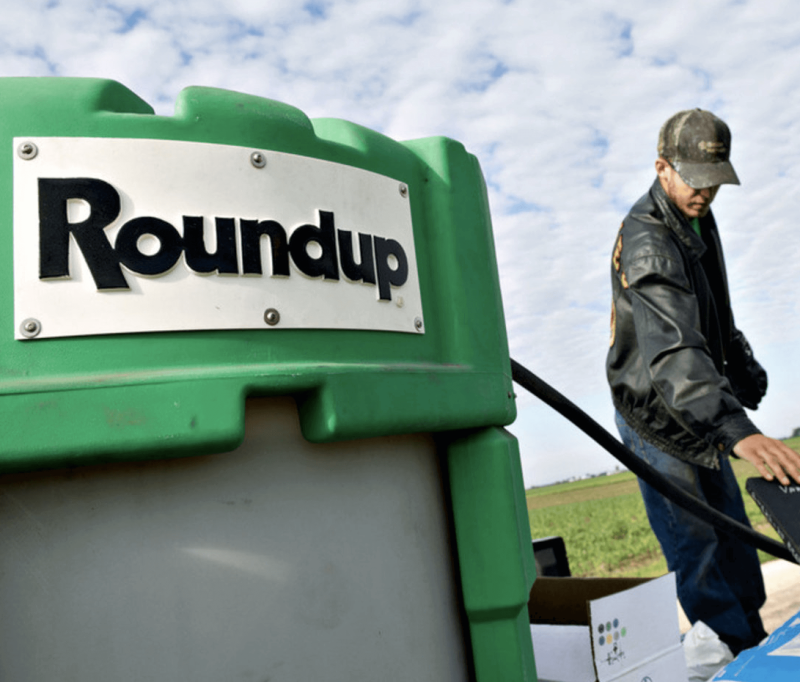

Researchers at the University of Washington (UW) have published a new scientific analysis of glyphosate (PDF), the active ingredient in Monsanto’s Roundup, the world’s most popular weedkiller.
They concluded that evidence supports a “compelling link” between glyphosate and non-Hodgkin lymphoma (NHL), a type of blood cancer.
…
For the review, the UW researchers examined epidemiological studies published between 2001 and 2018 to determine that exposure to glyphosate may increase the risk of contracting NHL by as much as 41%.
Senior author and UW professor Lianne Sheppard said: “Our analysis focused on providing the best possible answer to the question of whether or not glyphosate is carcinogenic. As a result of this research, I am even more convinced that it is.”
 Misleading glyphosate-cancer study Part 2: ‘Symptom of a widespread problem’—Concerns about ideological activism in science research and communications
 Viewpoint: Ideology not science — Here’s why NBC News’ factually inaccurate reporting on the ‘dangers’ of the weedkiller glyphosate sets a dangerous precedent


…
A Bayer/Monsanto spokesman said: “The Zhang meta-analysis does not provide new epidemiology data; instead, it is a statistical manipulation that is at odds with the extensive body of science, 40 years of real world experience and the conclusions of regulators, including the US EPA, European Food Safety Authorities (Efsa), European Chemicals Agency (ECHA), [and] German BfR….that glyphosate‐based products are safe when used as directed and that glyphosate is not carcinogenic.
Read full, original article: Glyphosate exposure increases cancer risk up to 41%, study finds