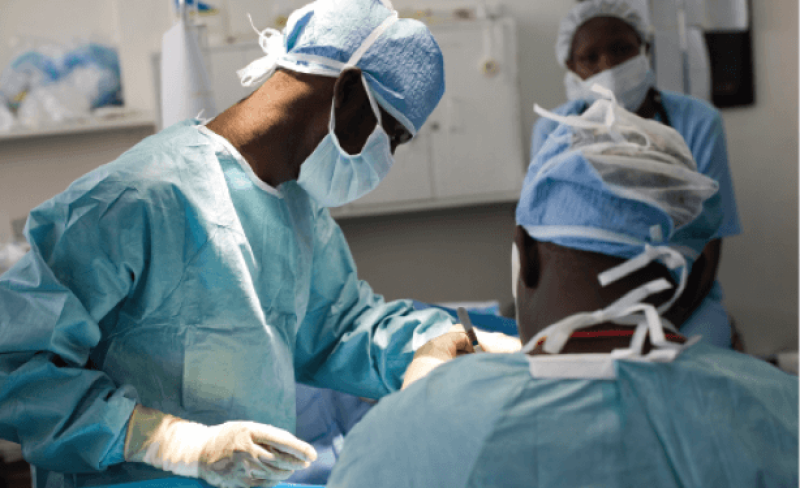

An epidemic of Lassa fever in Nigeria that has killed 69 people this year is on track to be the worst ever recorded anywhere. Now, in the hope of reducing deaths from Lassa in years to come, researchers in Nigeria are trying out a new diagnostic test based on the gene-editing tool CRISPR.
The test relies on CRISPR’s ability to hunt down genetic snippets ― in this case, RNA from the Lassa virus ― that it has been programmed to find. If the approach is successful, it could help to catch a wide range of viral infections early so that treatments can be more effective and health workers can curb the spread of infection.
Scientists in Honduras and California are testing CRISPR diagnostics for dengue viruses, Zika viruses and strains of human papillomavirus (HPV) associated with cancer.
…



A robust, user-friendly test could reduce the death rates from Lassa fever, which can be as high as 60%, says Jessica Uwanibe, a molecular biologist developing a Lassa diagnostic at Redeemer’s University in Ede, Nigeria. “I’m working on something that could save a lot of lives.”
Read full, original post: Faster, better, cheaper: the rise of CRISPR in disease detection