Do Roundup Ready GMO crops harm Monarch butterflies? Ecologists weigh in as new data comes to light

monarch

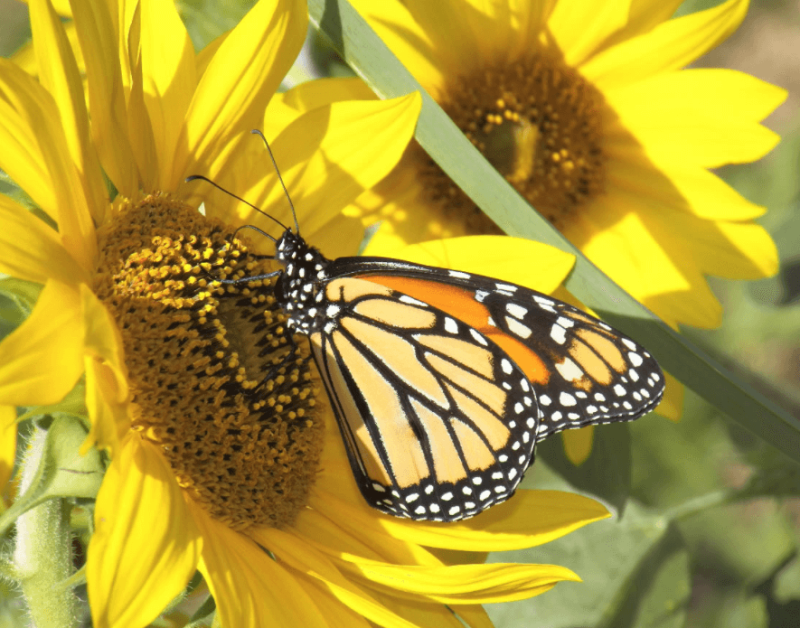
Monarch butterfly populations have been declining since the 1990s, and several studies have linked this to the proliferation of crops genetically engineered to tolerate the glyphosate-based herbicide Roundup.

While the correlation between monarch declines and herbicides is stark, consensus among scientists is not universal. Factors such as climate change, deaths during migration and loss of overwintering habitat in Mexico have also been implicated. One recent study used museum collections to show monarch numbers began falling decades before glyphosate-based herbicides were even invented—but it is drawing criticism from some ecologists who study these butterflies.

[In February] a study in Proceedings of the National Academy of Sciences….digitized museum records of milkweed and monarch specimens dating back to 1900 to assess population trends. The analysis indicated milkweed and monarchs both started declining in the 1950s—well before the advent of glyphosate.

Tyson Wepprich, an entomologist at Oregon State University, was apparently the first to identify what he says is a flaw in the study….Wepprich contends they missed the fact that Lepidoptera collection methods changed over the last century—in a way that he says favors the collection of moths.

Read full, original article: Study on Weed-Killers and Monarch Butterflies Spurs Ecological Flap

{{ reviewsTotal }}{{ options.labels.singularReviewCountLabel }}
{{ reviewsTotal }}{{ options.labels.pluralReviewCountLabel }}
{{ options.labels.newReviewButton }}
{{ userData.canReview.message }}

Related Articles

Infographic: Global regulatory and health research agencies on whether glyphosate causes cancer

Infographic: Global regulatory and health research agencies on whether glyphosate causes cancer

Does glyphosate—the world's most heavily-used herbicide—pose serious harm to humans? Is it carcinogenic? Those issues are of both legal and ...

Most Popular

Screenshot-2026-05-01-at-1.29.41-PM
Viewpoint: What happens when whole grains meet modern food manufacturing? Labels don’t tell the whole story.
S
As vaccine rejectionism spreads, measles may be taking a more dangerous turn
Screenshot 2026-05-06 at 2.56
Singularity crisis ahead? Can super babies save us from rogue AI geniuses?
Screenshot-2026-05-06-at-2.07.43-PM
Manufacturing a conspiracy: The timeline of how  the White House embraced the fringe claim that scientists are being mysteriously murdered
Screenshot-2026-04-20-at-2.26.27-PM
Viewpoint — Food-fear world: The latest activist scientists campaign: Cancer-causing additives
Screenshot-2026-04-30-at-2.19.37-PM
5 myths about summer dehydration that could damage your health — or even kill you
Screenshot-2026-03-13-at-12.14.04-PM
The FDA wants to make many popular prescription drugs OTC—a great idea. Here’s why it’s unlikely to happen
Screenshot-2026-05-01-at-11.56.24-AM
‘Science moves forward when people are willing to think differently’: Memories of DNA maverick Craig Venter
ChatGPT-Image-May-6-2026-03_41_05-PM
‘Protecting the integrity of science’: Kennedy’s FDA blocks release of taxpayer-funded studies finding COVID and shingles vaccines safe
Screenshot-2026-04-12-135256
Bixonimania: The fake disease scam that AI swallowed whole
Screenshot-2026-04-03-at-11.15.51-AM
Paraben panic: How a flawed study, media hype, and chemophobia convinced the public of the danger of one of the safest classes of preservatives
glp menu logo outlined

Get news on human & agricultural genetics and biotechnology delivered to your inbox.