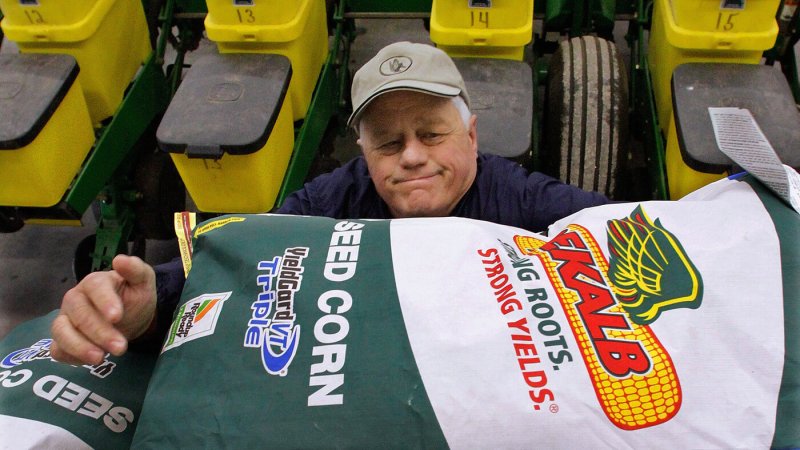
Here’s the familiar meme from the anti-GMO site Mercola.com:
Farmers are now increasingly forced to use GM seeds simply because there are so few alternative sources of seeds remaining. The effect of this is that we’re losing renewable agriculture – the age-old practice of saving and replanting seeds from one harvest to the next.
As mentioned in The Ecologist, one solution to this growing problem would be to make patenting seeds, plants, and genes illegal. As it stands now, each GM seed is patented and sold under exclusive rights. Therefore, farmers must purchase the GM seeds anew each year, because saving seeds is considered to be patent infringement. Anyone who does save GM seeds must pay a license fee to actually re-sow them. This, of course, results in higher prices and reduced product options.
Likewise, the advocacy site Farm Aid declared:
Farmers who buy GE seeds must sign contracts that dictate how their crop is grown – including what chemicals to buy – and forbid them from saving seeds. This has given corporations incredible control over the production of major staple crops in America.
These accusations have been made for years and remain a fertile argument, especially among opponents of GMOs and Big Ag. The accusations also remain false.
Despite the number of corporate mergers (such as the purchase of Monsanto by Bayer), farmers still have a wide range of choices for seeds, including conventional and genetically modified. And many farmers, for economic and production reasons, rather than because of legal restsrictions, often are not interested in saving and planting seeds from their current crops.

So, what do seed companies like Bayer/Monsanto, Pioneer and others sell? Monsanto has 2,000 seed products for 20 different vegetable crops, and that’s just for vegetables. Only two of those are genetically modified. Some, like the Autunno cucumber, are hybrids — varieties that have been selected and bred for optimizing one generation. Others are more conventional. It’s a mix of GM, hybrid and conventional — some are patent protected, others aren’t.
Jenny Rohrich, an agriculture blogger, surveyed a group of farmers over their choices of seed. All of them said they had choices of seeds to plant, and not one of them said they felt pressure to choose one type of seed over another:
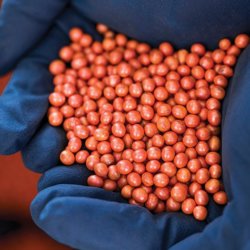



Just as you have the choice on what seeds to purchase from your favorite garden store, we have the choice on what we want to buy from our favorite seed salesman,” one farmer told her. And when making that choice, a seed being from Monsanto took a distant back seat to other considerations, including seed maturity, soil types, geography and climate, tolerance to weeds, insects, or drought, yield potential and, of course, price. These considerations are important whether buying conventional, hybrid or genetically modified seeds. For another farmer, GM seed “creates less labor-intensive operations in that spraying herbicides and pesticides is easier, quicker, and more effective to control weeds and pests.
Farmers also rarely buy directly from a company like Bayer. Most of the time they contact a regional seed dealer, which has sales people who meet with farmers, according to Amanda Zalucky, a lawyer and member of a Michigan farming family, who wrote in the Genetic Literacy Project:
Choosing which seed a farmer is going to plant is not one that can be taken lightly. It takes planning. It takes a good understanding of how the various traits can influence a crop. It means a farmer needs to be familiar with his fields, the weather, and the soil. It’s no wonder we need crop consultants!
 Brian Scott, an Indiana corn (including Bt corn), soybean and wheat farmer who also blogs on A Farmer’s Life, reviewed what a Monsanto contract looked like in 2017. According to Scott, the terms are not particularly draconian, nor do they hamper a farmer’s choice. The contract includes guidelines on following EPA rules, technology use and insect management, and three areas that GMO and Monsanto opponents have focused on and misrepresented:
- He should only buy Monsanto seeds from a licensed Monsanto dealer. This doesn’t mean he can’t buy seeds from another company. “Would you buy a brand new home entertainment system out of the back of some guy’s van parked in an alley?” Scott asked. “Me neither. I rely on my seed dealers not just for the exchange of money for seed, but for the continued service year after year. They can help us both financially and agronomically. My seed dealers are part of a network of people from our John Deere dealer to our banker that help propel our business forward.”
- Patented seeds can only be used for a single commercial crop. This is the “farmers can’t save seed” objection. Most farmers don’t want to save and reuse hybrid seeds (which are almost always patented), because the traits start to break down after the second generation anyway. This Genetic Literacy Project story on F1 hybrids helps cover the issue of seed savings.
- If you buy a genetically modified seed from Monsanto (or any other company), you’ll have to use their chemicals. Not true: Companies will recommend their own chemical products, but don’t force a farmer to use them.
It would, Scott points out, be wise to use a version of glyphosate on “Roundup Ready” crops if one wanted the crop to survive the herbicide:
If we spray Brand X and it doesn’t work it won’t do any good to go crying to Monsanto. That sounds like pretty standard business practice to me. Furthermore, I don’t even have to use glyphosate on my glyphosate tolerant crops. This year we will have waxy corn from Pioneer and waxy corn from a local dealer who sells Monsanto products. The latter will be RR, but the Pioneer variety won’t.We will likely plant them in the same field side by side to see which one performs better. If we spray glyphosate on those acres all the Pioneer corn will die! Instead we will control weeds with a herbicide that all corn resists naturally.
Which means “Big Ag” is letting this farmer, be a farmer.
A version of this article previously ran on the GLP on May 15, 2017.
Andrew Porterfield is a writer and editor, and has worked with numerous academic institutions, companies and non-profits in the life sciences. BIO. Follow him on Twitter @AMPorterfield